
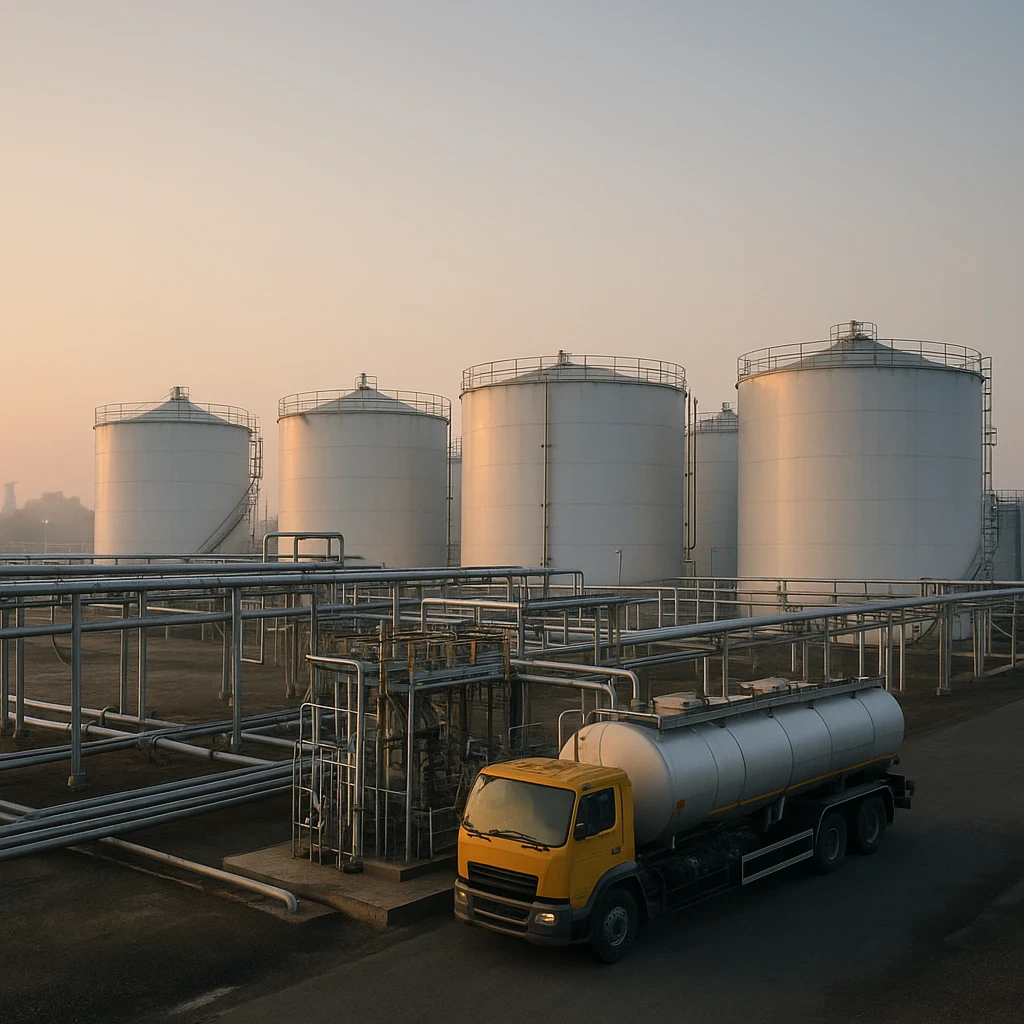
Indonesia's B50 biodiesel programme has moved from policy announcement to operational reality, with state energy firm Pertamina launching nationwide distribution of the 50% palm oil blend. The development confirms the mandate is now live across the archipelago, a step that directly expands domestic palm oil consumption and reshapes demand dynamics for global buyers.
The rollout comes as palm oil markets show mixed signals. Malaysian CPO futures traded around $1,101 per metric ton, down 0.3% from the previous session, while the global benchmark stood near $1,105. Indonesia's reference price was about $1,030 per ton. The modest dip reflects ongoing concerns about production increases and inventory build-ups, but the operational B50 programme provides a structural demand boost that could offset some bearish pressures.
Demand Boost Amid Supply Glut
Pertamina's nationwide distribution means B50 blending is now active at retail and industrial levels, not merely announced. This is expected to absorb a significant portion of domestic palm oil supply, reducing export availability and potentially tightening global markets. The policy aligns with Indonesia's goal to cut fuel imports and support farmer incomes, but it also means less palm oil for international buyers.
Market participants note that the programme's success depends on feedstock supply and blending infrastructure. However, the nationwide launch signals strong government commitment, which could support prices over the medium term. The wide BOPO (biodiesel vs. gasoil) spread, currently favorable, makes the blend economically viable, especially with Brent crude holding near $83 per barrel, down 7.9% on the session.
Market Context and Price Drivers
Today's price action reflects a complex landscape. Malaysian production rose 8.1% month-on-month in June to 1.64 million tons, while stocks increased 3.7% to 1.33 million tons. Exports grew 5.7%, but imports surged 135.3%, indicating robust domestic demand. Weather remains a wildcard, with El Niño conditions causing dry spells in key growing regions like Sabah, Sarawak, and Kalimantan, which could curb future output.
Our model outlook for the near term is slightly bearish, as peak production, weak rupiah, and crude oil declines weigh against supportive wide BOPO spread and the B50 launch. Data staleness adds uncertainty. The rupiah's depreciation (around 17,989 per dollar) makes Indonesian exports more competitive, but it also raises import costs for buyers.
Implications for Traders
For palm oil traders, the Pertamina-led B50 rollout is a key demand-side factor to monitor. It could tighten supply availability from Indonesia, the world's largest producer, and support price floors. Buyers may need to adjust procurement strategies, considering potential export reductions. The policy also reinforces palm oil's role in energy transition, linking its price more closely to crude oil movements.
As the programme rolls out, market attention will shift to implementation details, such as blending rates and feedstock availability. For now, the nationwide launch marks a pivotal moment for palm oil demand, with effects likely to ripple through global vegetable oil markets.