
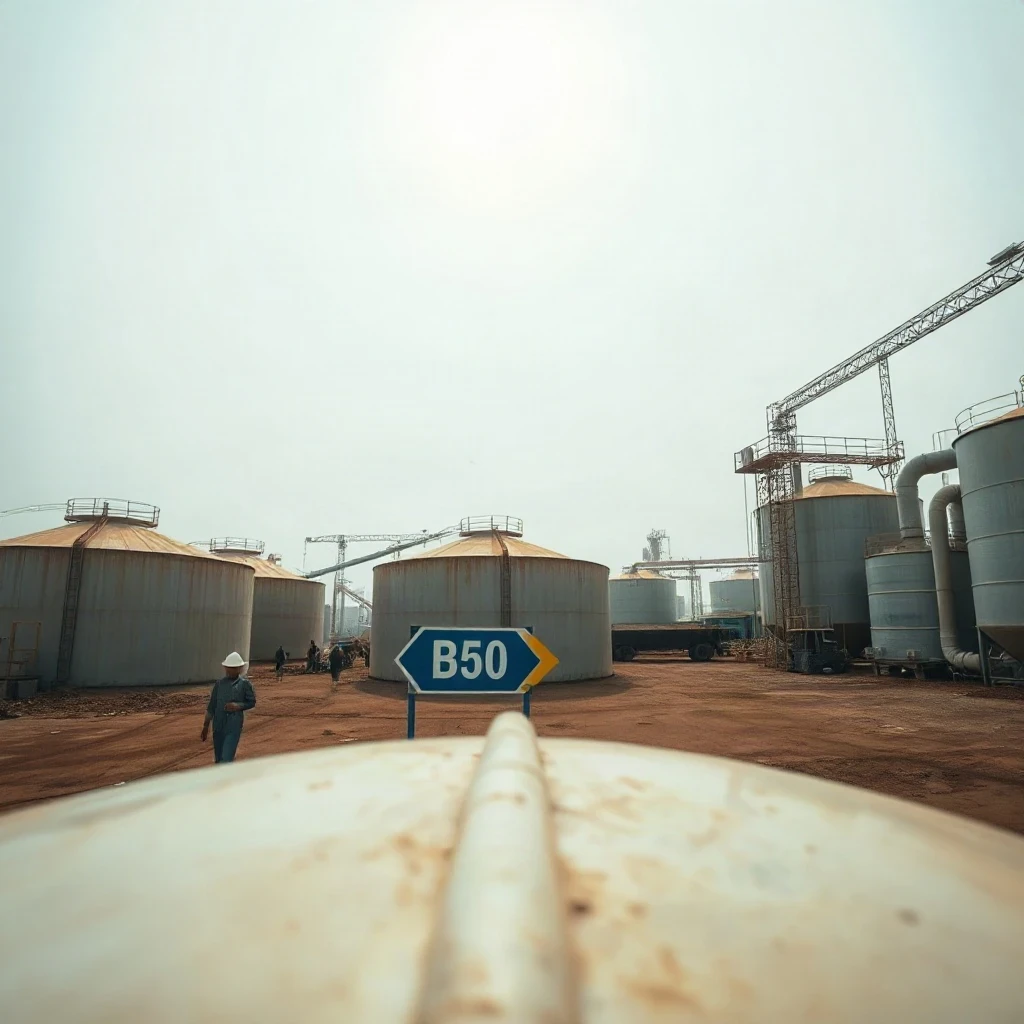
Indonesia's stepped-up promotion of its B50 biodiesel program is drawing fresh attention from market participants, with industry groups and equipment suppliers signaling readiness for higher blend rates. Recent outreach efforts, including educational campaigns and the development of Caterpillar machinery for B50 use, point to a coordinated push toward implementation. For palm oil traders, the key question is how quickly mandatory blending translates into additional domestic consumption, a factor that could tighten export availability.
Demand Signals vs. Supply Reality
Analysts remain broadly constructive on crude palm oil (CPO) prices, citing firm biodiesel demand as a key support. Malaysian benchmark futures traded around $1,158 per metric ton on August 24, up 1.2% on the session, while our model outlook flags a 4.6% gain over the past seven days, placing prices near the top of their 52-week range. The wide spread between soybean oil and palm oil, combined with high Indonesian export levies and duties, continues to make palm an attractive feedstock for biodiesel producers.
However, supply-side fundamentals may temper runaway gains. Malaysia's July data showed CPO production rising 9.4% month-on-month to 1.79 million tons, with closing stocks up 7.2% to 1.43 million tons. Peak production season is underway, and export volumes did climb 14.5% month-on-month to 1.39 million tons, but the inventory build suggests ample near-term availability.
Weather and Policy Risks
El Niño conditions, with an ONI of +1.4, are bringing dry weather to key growing regions in Sarawak and Kalimantan. This could pressure yields in coming months, potentially tightening supply later in the year. For now, though, the market appears well supplied, and our model outlook anticipates a modest pullback over the next seven sessions as profit-taking and seasonal softness offset bullish headlines. The RSI at 78 and price above the upper Bollinger Band underscore overbought conditions.
What Buyers Should Watch
Compliance-minded buyers should monitor Indonesia's B50 implementation timeline closely. Any acceleration in blending mandates would increase domestic palm oil absorption, reducing exportable surplus and potentially lifting global prices. Conversely, delays could ease supply concerns. With Brent crude around $93 per barrel, biodiesel economics remain favorable, supporting the case for higher blend rates. As always, the interplay between policy signals and weather patterns will be critical in shaping price direction over the next quarter.