
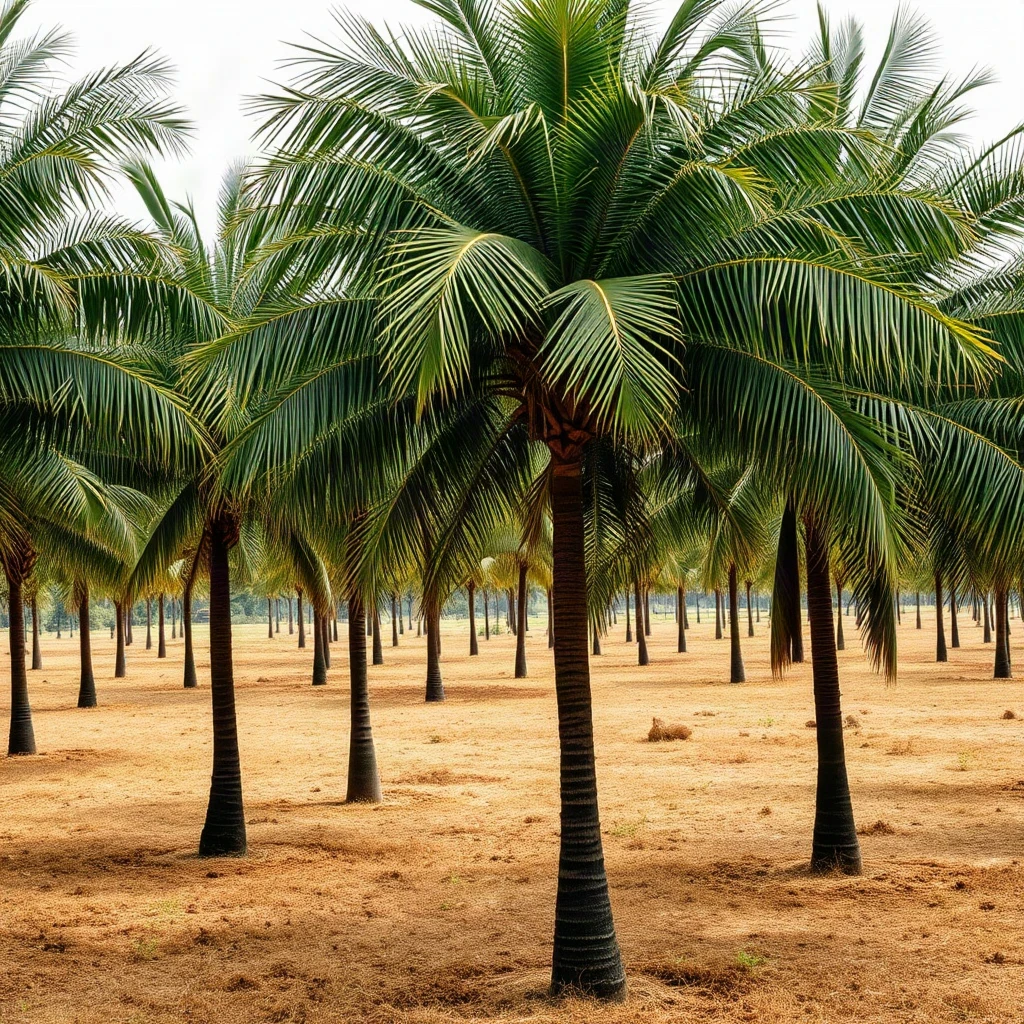
Current ENSO and rainfall profile The equatorial Pacific is in an El Niño state, with the Oceanic Niño Index reading +1.4. In Southeast Asian oil palm areas, this usually means below-normal rainfall during the dry season. The latest rainfall snapshot flags Sarawak and Kalimantan as dry, two core production zones for Malaysia and Indonesia respectively. The seven-day picture therefore points to continued moisture stress rather than any heavy rain event that would halt field work.
Near-term harvest and logistics Because the short-term setup is dry rather than excessively wet, current harvesting and evacuation logistics are unlikely to face the kind of flooding, waterlogged estate roads or mill intake delays seen during heavy monsoonal downpours. Dry fields generally improve access for harvesters and allow ripe bunches to be moved more efficiently. For immediate output this is a mild positive for collection volumes in Sarawak and Kalimantan, provided the dryness does not become severe enough to stress standing palms or raise fire risk around estate buffers.
At the same time, current Malaysian supply data show the seasonal pattern is still intact. MPOB July production rose 9.4% month-on-month and closing stocks rose 7.2% month-on-month, with exports up 14.5% month-on-month. Peak production season is underway, so the short-term output path is being driven more by seasonal yield cycles and field access than by the early effects of El Niño.
Six-to-twelve month yield risk The more important weather signal is for later crop formation. Oil palm responds to drought stress with a lag of roughly six to twelve months, because moisture deficits during floral initiation, sex differentiation and early bunch development reduce the number and weight of harvestable bunches several months later. With ONI at +1.4 and the key regions of Sarawak and Kalimantan already dry, the current moisture deficit may begin to show up in lower fresh fruit bunch yields over the next six to twelve months, depending on how long the dry spell persists and how well estates maintain soil moisture through mulching, irrigation or water table management.
- Current dryness in Sarawak and Kalimantan is therefore more of a medium-term supply risk than an immediate production shock.
- Near-term output is still supported by good field access and the ongoing peak harvest season.
- If the El Niño state persists, the following production cycle could flatten or dip even as the market is now watching near-term stock levels.