El Niño and B50 keep palm oil supported despite July stock build
Malaysian CPO at RM4,626/MT; MPOB July stocks rise 7.2% but dry weather and Indonesian biodiesel demand underpin prices.

Malaysian CPO gains 1.2% to RM4,626 as BOPO, crude and El Niño support prices while RSI and July stocks keep the market balanced.
On 23 August 2026, Malaysian CPO benchmark sits around $1,144/MT, up 1.2% from the prior session, or RM4,626/MT. The World Bank global palm oil benchmark is about $1,101/MT and Indonesia's Kemendag reference price is about $997/MT. USD/MYR is about 4.04.
The strongest bullish driver is the BOPO spread. Soybean oil trades around $1,534 per tonne, a spread of roughly $389/MT over CPO, leaving palm heavily discounted. That discount encourages buyers to switch from soy to palm in food and oleochemical demand, supporting physical offtake and futures. Brent crude has risen 6.4% over the past seven days to about $94/bbl; higher crude improves biodiesel blending economics and the POGO relationship, making CPO more attractive as a feedstock for biodiesel. A developing El Niño with ONI at +1.4°C and dry conditions in Sarawak and Kalimantan threatens Indonesian and Malaysian yields on a 6–12 month lag, so buyers are adding risk premium now rather than waiting for actual output losses. Indonesia's export policy adds further support: the Kemendag reference price at $997/MT carries a levy of $125/MT plus a separate export duty of $148/MT, raising the cost of Indonesian shipments and shifting marginal demand toward Malaysian CPO. Recent news flow has also leaned bullish, including MPOC expectations for CPO above RM4,600 in September, tight supply commentary, and festival demand from India.
The most immediate bearish signal is technical: RSI at 73, above the upper Bollinger band, indicates the market is overbought and vulnerable to a pullback or consolidation within the next 3–5 days despite the bullish momentum. On the supply side, MPOB's July data showed closing stocks of 1,429,316 tonnes, up 7.2% month-on-month and 61% above the five-year average, with a stocks-to-use ratio of 12.5%. The data is about 50 days old and may not reflect current tightness, but the sheer build is bearish. Seasonal peak production also runs from July to October, and July production of 1,792,979 tonnes was up 9.4% month-on-month and about 4% above the five-year average, so near-term supply pressure remains. In the broader vegetable oil complex, CFTC managed money is net long soyoil by 98,237 contracts, a level 0.98 standard deviations above the two-year range; such a crowded long is vulnerable to long liquidation, which could spill over into palm. Finally, a weak rupiah at 17,666 per US dollar can encourage aggressive Indonesian export selling, which is regionally bearish for CPO, though extreme weakness could eventually trigger a policy reversal.
The driver set is exactly split: five bullish drivers and five bearish drivers. Our model outlook describes CPO as being in a bullish trend but stretched short-term: wide BOPO, Brent rally, El Niño and Indonesian policy support prices, while overbought RSI and peak season/large July stocks create pullback risk. The base case is a modest upward drift with consolidation, with a published path of +1.6% over the next seven sessions. That is not a decisive directional call; the market is genuinely balanced. For the bullish side to gain the upper hand, we would need confirmation of El Niño damage to palm yields, sustained Brent strength, or further widening of the BOPO spread. For the bearish side to take control, we would need the RSI to unwind with price falling below the upper band, August data showing another stock build, or soyoil long liquidation and a stronger rupiah. Until one of those shifts occurs, consolidation is the likeliest near-term path.
Malaysian CPO at RM4,626/MT; MPOB July stocks rise 7.2% but dry weather and Indonesian biodiesel demand underpin prices.
El Niño conditions, with an ONI of +1.4, have left Sarawak and Kalimantan dry. This dryness is feeding concerns about a later yield hit, with some commentary warning of a severe El Niño and the worst impact possibly arriving in 2027. Indonesia's CPO production outlook is also being trimmed.
Indonesia's B50 mandate continues to support domestic demand. Export levy collections are projected at Rp41.22 trillion this year, and BPDP argues the blend is not pressuring exports, with levies up 73%. That dynamic removes more palm oil from export availability and underpins prices. At the same time, there are warnings that El Niño could erode B50 feedstock stocks and export levy revenue.
Our model outlook sees a bullish trend but stretched short-term conditions: wide BOPO, the Brent rally, El Niño and Indonesian policy support prices, while overbought RSI and peak-season/large July stocks create pullback risk. The base case is a modest upward drift with consolidation, with a published path of +1.6% over seven sessions.
Sources: AFU.id; bernama; kontan.co.id; Validnews; BernamaBiz; daily-sun.com
Malaysian CPO settles near $1,144/MT, up 1.2%, as El Niño and biodiesel demand underpin; MPOC sees RM4,600+ in September.

Malaysian crude palm oil futures closed the week higher for a fifth consecutive session, with the benchmark contract settling around $1,144 per metric ton, up 1.2% from the previous day. In ringgit terms, that is approximately RM 4,626/MT, a level not seen in about 20 months. The global benchmark, tracked by the World Bank, stands at roughly $1,101/MT, while Indonesia's reference price is lower at about $997/MT, reflecting differing supply and policy dynamics across the two major producers.
The supply picture remains tight. Malaysia's MPOB data for July shows production at 1,792,979 tonnes, up 9.4% month-on-month, but that increase is being offset by strong export demand. Exports surged 14.5% to 1,392,178 tonnes, helping keep closing stocks at 1,429,316 tonnes, up only 7.2% despite the production jump. Imports fell sharply to 49,566 tonnes, down 51.9%.
Weather remains a key risk. The current El Niño (ONI +1.4) is bringing dry conditions to Sarawak and Kalimantan, raising concerns about future yields. Several reports warn that the impact could extend into 2027, with the worst effects yet to come. The Malaysian Palm Oil Council (MPOC) has projected prices staying above RM 4,600 in September, citing tightening supply and geopolitical disruptions. BMI, a research unit, has raised its 2026 average CPO price forecast to RM 4,453 on tight supply.
Indonesia's aggressive biodiesel mandate, B50, continues to underpin demand. The country's export levy is projected to reach Rp 41.22 trillion this year, up 73%, according to reports, as the government funds the program. However, analysts warn that El Niño could erode feedstock supply, putting strain on biodiesel stocks. State plantation companies are reportedly seeking higher yields to support the program.
India, the world's largest palm oil importer, is boosting purchases ahead of the festival season, adding to demand pressure. The country's overall cooking-oil imports have jumped, although sunflower oil imports are lagging due to war-related disruptions. This active buying from India is providing support to palm and soybean oil quotes, as noted in market reports.
Brent crude held steady at about $94 per barrel, which supports biodiesel blending economics and keeps vegetable oil prices competitive as fuel. The weaker ringgit (around 4.04 per dollar) also makes Malaysian exports more attractive.
Our model outlook sees a bullish trend but warns of short-term pullback risk. The market is stretched, with wide BOPO (basis over palm oil), a Brent rally, El Niño, and Indonesian policy all supporting prices, while overbought RSI and peak-season stocks suggest consolidation. The base case is a modest upward drift, with a published path of +1.0% over seven sessions.
Buyers should monitor weather developments in Sarawak and Kalimantan, as any intensification of dryness could tighten supply further. Also watch Indonesia's biodiesel policy updates and the pace of Indian imports. The market is likely to consolidate near current levels, but any supply shock could push prices higher.
Sources: AFU.id; bernama; kontan.co.id; Validnews; BernamaBiz; BernamaBiz
A practical guide to how export taxes, import tariffs and local content rules in three key producers affect your landed cost.
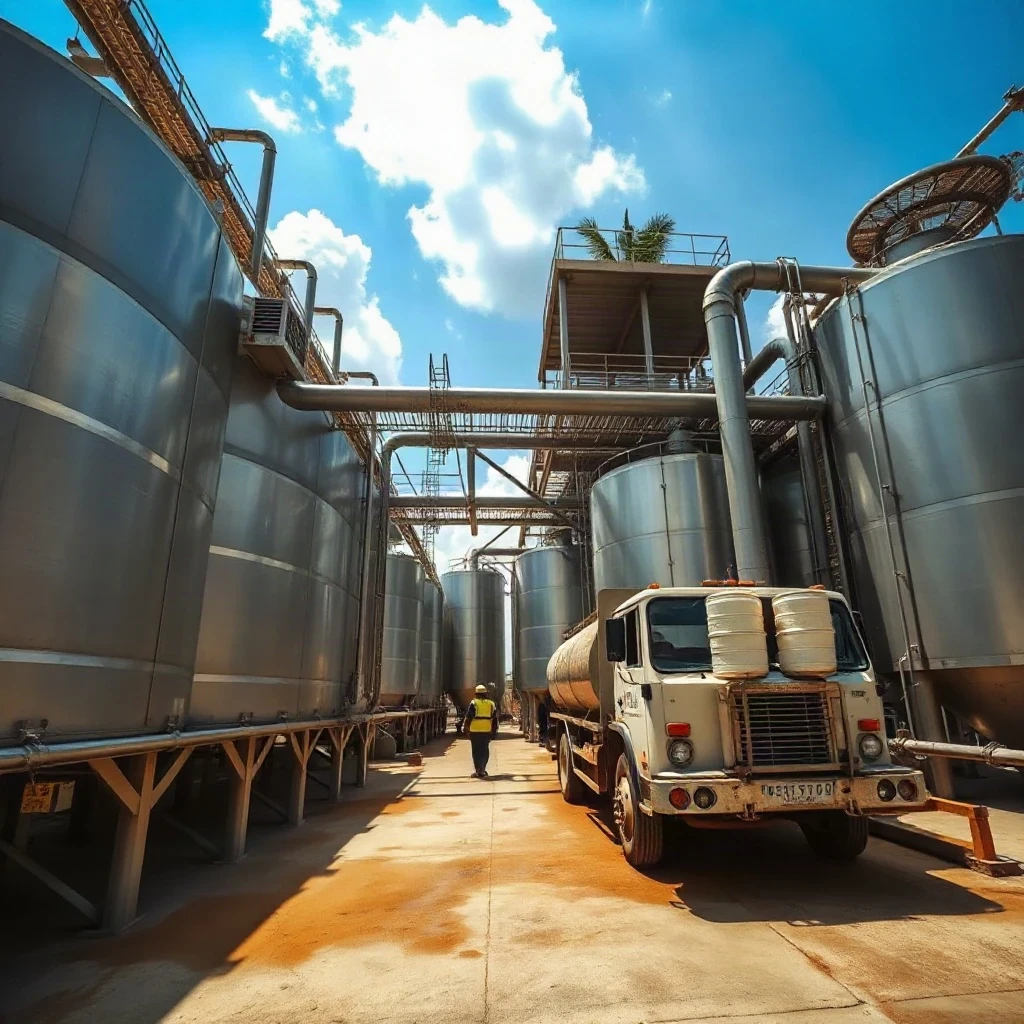
For buyers sourcing palm oil from West Africa, the policy mix in Ghana, Côte d'Ivoire and Cameroon can be as influential as weather or shipping rates. Each country structures its trade regime to balance export earnings, domestic food security and the growth of local refining capacity. Understanding the mechanics helps you anticipate cost movements before they hit your cargo.
All three countries use export duties or levies on crude palm oil (CPO) that are typically lower than those on refined products. The logic is simple: keep more of the value-added processing at home. When global CPO prices rise, these duties often adjust automatically, making it relatively more attractive to ship refined oil than crude. For a buyer, that means the premium for refined product can widen or narrow based on the producer's fiscal triggers.
On imports, the structure is the mirror image. Tariffs on refined palm oil entering these markets are set higher than on crude, creating a price gap that supports domestic crushers and refiners. In some cases, there are also non-tariff measures—licensing requirements, quality standards or local content rules—that effectively raise the cost of imported finished goods. The exact percentages vary and are reviewed periodically, but the principle is consistent: the tariff structure is designed to shift processing margins to local facilities.
Beyond border measures, each government uses fiscal incentives to encourage refining. These can include tax holidays for new mills, reduced excise duties on machinery, or preferential access to foreign exchange for importing inputs like bleaching earth or fractionation equipment. Some countries also mandate a minimum blend of local crude in refined products sold domestically. Such rules tie the domestic market to local supply, which can tighten export availability during seasonal peaks.
For procurement managers, the key is to track not just the headline duty rate, but the policy signals around it. Watch for:
Each of these factors can change the effective cost of your palm oil before you even book freight. A move to raise export duties on CPO, for instance, could compress the discount you currently enjoy on crude, while a tariff cut on refined product might open a cheaper alternative to local processing.
In practice, the structure is not static. It responds to global price swings, domestic harvests and political priorities. Staying informed on the mechanism—not just the current number—gives you a clearer view of where landed costs are heading. For traders, that is the difference between reacting to a policy change and anticipating it. ---
*This article reflects the position as of 23 August 2026. Duty structures, levies and mandates change often, sometimes at short notice. Please verify the current position, and any changes made after this date, before relying on it.*
Indonesia's B50 push raises domestic feedstock use as a higher export levy and flat CPO output test biodiesel funding and compliance planning.
Indonesia’s push to raise the biodiesel blend to B50 is tightening the link between palm oil policy and trade flows. BPDP has stated that B50 does not pressure palm oil exports, even as export levies rise by 73%. That claim will be tested by how much crude palm oil is redirected into the domestic fuel market.
The higher levy is intended to support biodiesel incentives. For exporters, it increases the cost of moving palm oil abroad. For compliance-minded buyers, it means the effective supply of exportable palm oil depends on both the levy level and domestic consumption. A 73% increase in export levies can change sourcing economics even if physical export volumes remain unchanged.
El Niño adds another layer. Reports indicate that El Niño could erode B50 stocks and CPO export levy revenue. If weather reduces output, the pool of palm oil available for both biodiesel blending and exports shrinks. That would pressure domestic supply security and the funding mechanism behind the mandate. Buyers seeking reliable shipments may face more competition from Indonesia’s own biodiesel sector.
A flat outlook for CPO production compounds these concerns. When output is forecast to be flat while B50 increases domestic use, the residual volume for export can narrow. This does not necessarily mean exports fall in absolute terms, but it can make export availability more volatile. It also puts the biodiesel fund under strain if levy revenue weakens at the same time that payout obligations rise.
Outside direct price and volume effects, Aprobi has been educating 5,000 scouts about B50 biodiesel. That points to continued political and social support for the mandate. For market participants, this suggests the B50 transition is unlikely to be reversed quickly, even if feedstock economics become more difficult.
Taken together, the B50 rollout is not just a demand-side shift. It interlocks with export levies, weather-driven output risks and flat production expectations. Compliance-minded buyers should track whether BPDP’s claim that exports are unaffected holds as B50 allocation grows. They should also monitor CPO output data and El Niño updates, because any shortfall in production would intensify competition between domestic biodiesel and export markets.
For palm oil supply, the binding constraint is the share of CPO directed to biodiesel. B50 raises that share. For demand, higher domestic use can leave less for international buyers, although price signals may ration exports. For compliance-minded buyers, the combination of a 73% export levy increase, El Niño risk and flat CPO output suggests the cost of securing compliant, traceable palm oil may become more sensitive to policy changes than to ordinary seasonal patterns. Monitoring BPDP updates and export levy collections will be important for adjusting sourcing strategies.
Jakarta's B50 mandate and El Niño dry weather tighten supply, while export levy revenue rises.
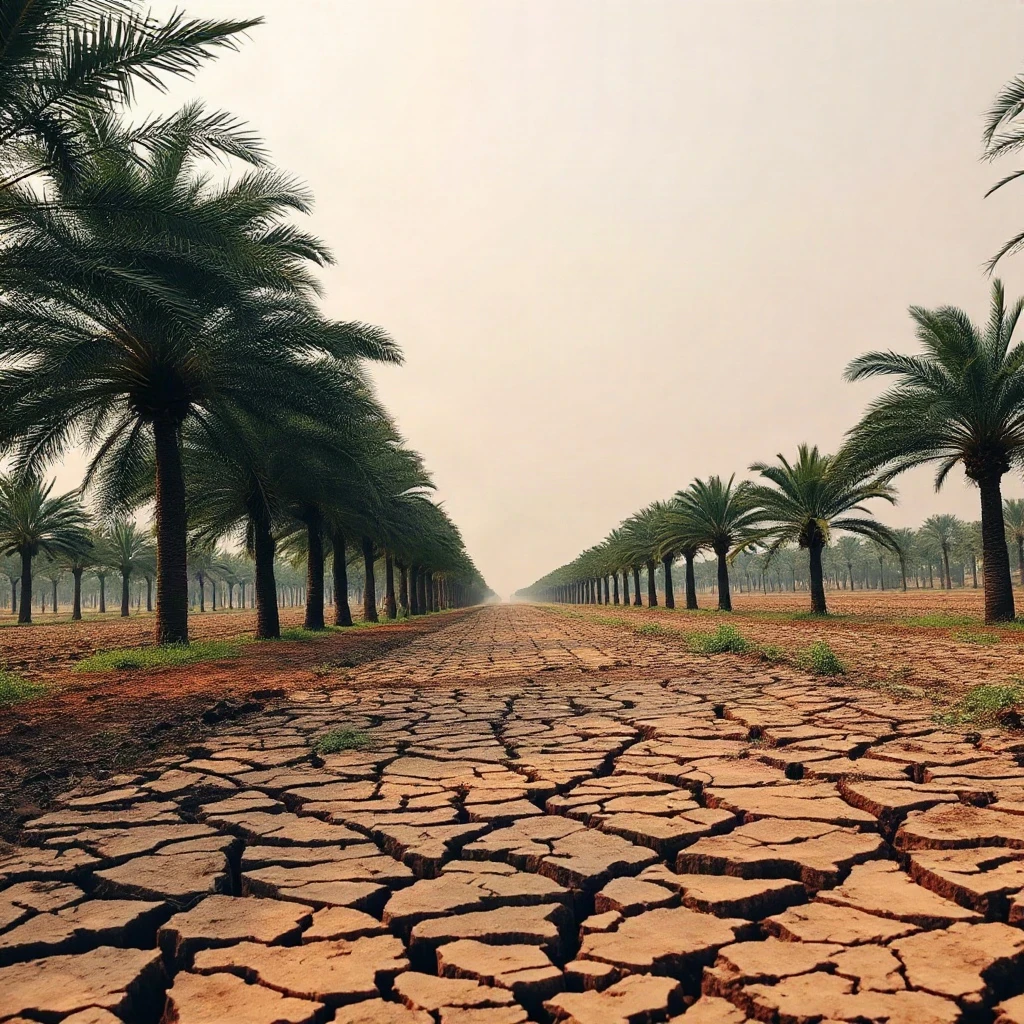
Indonesia's push to implement the B50 biodiesel mandate is taking center stage in regional palm oil policy, with fresh signals that the program will not curb export volumes even as the government raises its export levy. The state fund manager, BPDP, has said the higher levy—up 73%—will not pressure shipments, a claim that comes as the country’s reference price for crude palm oil sits near $997 per metric ton.
Weather remains a key swing factor. The current El Niño episode, with an ONI of +1.4, is bringing dry conditions to key growing areas in both Indonesia and Malaysia, particularly Sarawak and Kalimantan. This has raised concerns about palm fruit yields and, by extension, the availability of feedstock for both food and fuel use. Our model outlook notes that while the broader price trend is bullish, the market is stretched short-term, with overbought conditions and peak-season supply creating pullback risk.
The B50 program—which blends 50% palm-based biodiesel into diesel—is projected to absorb a growing share of Indonesia's crude palm oil output. Industry groups are actively promoting the fuel's benefits, including educational campaigns targeting youth organizations. State plantation companies are also reportedly seeking higher yields to meet the mandate's feedstock needs without diverting too much from export markets.
The combination of higher export levies and robust crude prices is intended to keep the biodiesel subsidy fund solvent. However, analysts warn that if El Niño curbs production, the fund could face pressure as it competes with export demand for limited supply. Malaysia's July data showed production at 1.79 million tons, up 9.4% month-on-month, with stocks climbing to 1.43 million tons—ample for now, but dry weather could tighten balances ahead.
For compliance-minded buyers, the key takeaway is that Indonesian policy is increasingly prioritizing domestic fuel security. The higher levy raises the cost of Indonesian exports, while the B50 mandate could reduce the volume available for overseas buyers during peak demand. Malaysian benchmark prices, near $1,144 per metric ton, reflect these tightening fundamentals, though a strong dollar and high stocks may temper gains.
Our model outlook sees a modest upward drift with consolidation over the next seven sessions, with the base case projecting a 1.6% gain. Buyers should monitor weather forecasts and Indonesian policy announcements closely, as these remain the primary drivers of price direction in the near term.
Sources: Validnews; achmadnurhidayat.id; Oils & Fats International; Bloomberg Technoz; Bloomberg Technoz; Oils & Fats International
Our market desk connects serious buyers with vetted origin suppliers across Southeast Asia. Indicative pricing, specifications and shipment guidance — free of charge.
Get connected →Malaysian CPO at RM4,626/MT; MPOB July stocks rise 7.2% but dry weather and Indonesian biodiesel demand underpin prices.
Malaysian CPO settles near $1,144/MT, up 1.2%, as El Niño and biodiesel demand underpin; MPOC sees RM4,600+ in September.
A practical guide to how export taxes, import tariffs and local content rules in three key producers affect your landed cost.
Indonesia's B50 push raises domestic feedstock use as a higher export levy and flat CPO output test biodiesel funding and compliance planning.
Jakarta's B50 mandate and El Niño dry weather tighten supply, while export levy revenue rises.