SE Asia Biodiesel Mandate Hikes to Boost Palm Oil Demand
Indonesia, Malaysia and Thailand raise 2026 biodiesel mandates, tightening palm oil export availability.
Full story — Page 2 ▸
A new edition every morning at sunrise over Jakarta (today, 05:56 WIB). Pick a front page to read the full paper — every edition is kept in the archive.
Malaysian benchmark holds near $1,106/MT despite higher stocks; crude gains and El Niño support, while supply outlook weighs.
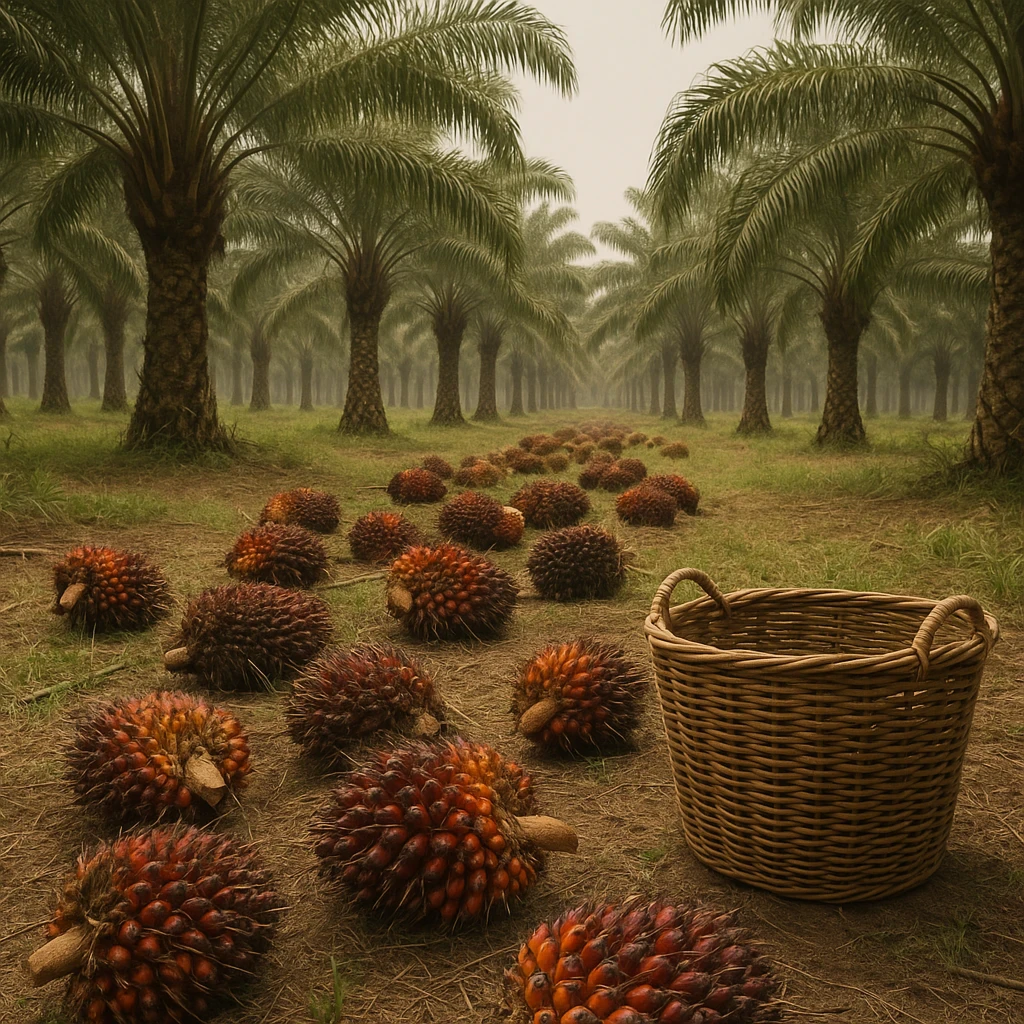
Malaysian crude palm oil futures closed the session nearly flat, with the benchmark hovering around $1,106 per tonne (RM 4,520), up just 0.1% from the previous day. The global World Bank benchmark stood at $1,101, while Indonesia's reference price was about $1,030. The market is consolidating after a week of low volatility, with our model outlook pointing to a mean-reverting drift over the next seven sessions, carrying a neutral technical bias.
Sources: Business Standard; електронна зернова біржа України; BernamaBiz; The Star; UkrAgroConsult; Finimize
Indonesia, Malaysia and Thailand raise 2026 biodiesel mandates, tightening palm oil export availability.

Indonesia, Malaysia and Thailand have all raised their biodiesel mandates for 2026, a policy shift that is set to deepen domestic palm oil consumption across Southeast Asia and potentially tighten export availability. The move, which includes Indonesia's planned B50 rollout, signals a structural increase in demand for palm oil as fuel feedstock, a development that could support benchmark prices over the medium term.
For traders and buyers, the immediate implication is a smaller pool of palm oil available for export, as more of the region's output is diverted to biodiesel blending. This comes at a time when global markets are already watching supply dynamics closely, with Malaysian crude palm oil (CPO) benchmark trading at about $1106 per metric ton (RM 4520/MT), up a marginal 0.1% from the previous session.
The mandate hikes are not isolated. According to industry reports, all three major producers are moving in tandem, a coordinated push that underscores the region's commitment to energy security and lower emissions. Indonesia's B50 program, which would require a 50% palm oil blend in biodiesel, is the most ambitious, and its phased implementation is expected to absorb significant volumes of domestic crude palm oil.
This policy development arrives against a backdrop of mixed fundamentals. Malaysia's July 2026 data from the Malaysian Palm Oil Board (MPOB) showed a 9.4% month-on-month rise in CPO production to 1,792,979 tons, while closing stocks climbed 7.2% to 1,429,316 tons. Exports, however, jumped 14.5% to 1,392,178 tons, suggesting robust overseas demand despite the stock build.
Our model outlook indicates that CPO is consolidating near current levels after a flat week, with low realized volatility and a neutral RSI. The bullish technical crossover and wide BOPO support are offset by bearish signals from the MPOB stock build and peak seasonal output. The next seven sessions are likely to be mean-reverting with a slight upward drift, with key risks including Indonesia's policy execution, crude oil price swings, and speculative long liquidation.
Brent crude's recent strength, up 1.6% to about $88 per barrel, also plays into the biodiesel calculus. Higher crude prices make palm oil-based biodiesel more competitive, reinforcing the economic case for higher mandates. With Indonesia's reference price at about $1030 per metric ton and the global benchmark at $1101, the region's policy choices are becoming a central driver for palm oil pricing.
For now, the market is absorbing the news with relative calm, but the long-term demand signal is clear: Southeast Asia's biodiesel push is set to be a persistent factor in palm oil supply-demand balances, potentially tightening export availability and underpinning prices in the months ahead.
Sources: energynews.pro
MPOB data shows stocks up 7.2% month-on-month as production rises 9.4%, signaling supply pressure.
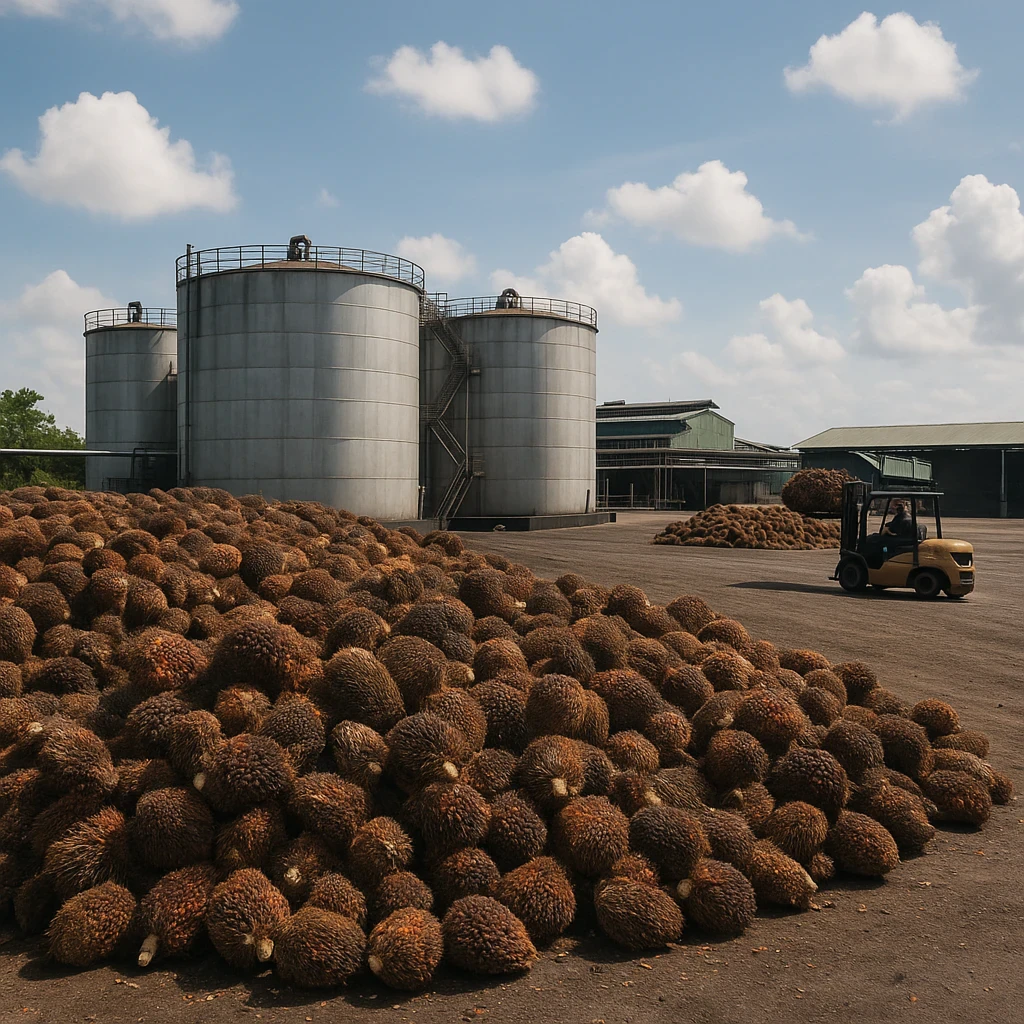
Malaysia's palm oil inventories climbed to a five-month high in July, according to data from the Malaysian Palm Oil Board (MPOB), as production expanded at a faster pace than exports. Closing stocks rose 7.2% month-on-month to 1,429,316 tonnes, while crude palm oil (CPO) output increased 9.4% to 1,792,979 tonnes. Exports grew 14.5% to 1,392,178 tonnes, but the stock build signals that supply is outpacing demand in the near term.
For buyers and traders, the inventory accumulation is a key supply-side indicator. It suggests that the market is well supplied despite recent price rallies, which could temper upside momentum. The stock increase comes as the industry enters the peak production season, typically lasting through the third quarter, adding further potential pressure on prices.
Despite the bearish stock data, CPO futures have shown resilience. The benchmark contract on Bursa Malaysia Derivatives settled around $1,106 per tonne (RM 4,520), up 0.1% from the previous session. This follows a rally to a four-month high earlier in the week, supported by firmer crude oil prices—Brent crude traded near $87 per barrel, up 0.6%—which improves the economics of biodiesel blending and supports vegetable oil demand.
However, the inventory build may limit further gains. Our model outlook suggests CPO is expected to trade rangebound with a slight upward bias near $1,100-$1,120 per tonne over the next seven sessions. The wide BOPO spread (about $476 per tonne) and firm crude oil provide support, while the stock build and peak production cap upside. Crowded speculative long positions also add to the risk of a pullback.
Weather conditions remain a watch point. The current El Niño (ONI +1.4) has brought dry conditions to parts of Kalimantan in Indonesia, which could affect future production. However, no immediate supply disruptions have been reported.
In Indonesia, the government's reference price for CPO is about $1,030 per tonne, and export duty remains at 10% for September, according to a recent announcement. This policy stability provides some predictability for trade flows.
Traders will be watching export data from cargo surveyors to gauge demand momentum. The market also faces uncertainty from delayed Indonesian policy updates and the pace of shipments. While the stock build is a clear signal of ample supply, the interplay with crude oil prices and biodiesel demand will be crucial in the coming weeks.
For now, the market appears balanced between bearish inventory pressure and supportive external factors, with prices likely to remain rangebound in the near term.
Sources: The Star
A $476 soybean-oil discount and El Niño support CPO, while a five-month high in Malaysian stocks and peak production cap gains.
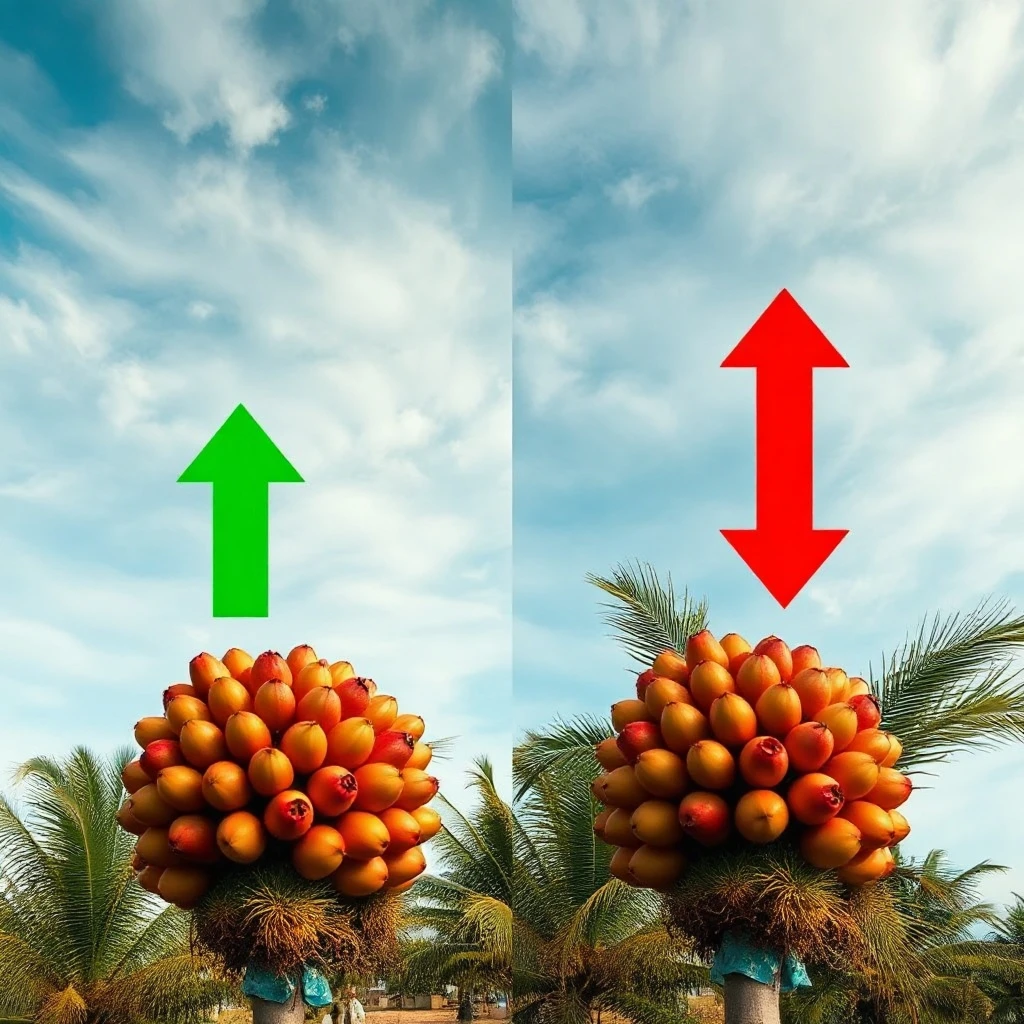
Malaysian CPO benchmark is about $1,106/MT (RM4,520/MT), up 0.1% versus the previous session. Brent crude is about $87/bbl, up 0.2%, while USD/MYR is 4.09. The World Bank palm benchmark is $1,101/MT and Indonesia's reference is $1,030/MT, so the Malaysian contract is near the top of the regional range but moving only marginally.
Wide BOPO spread. Soybean oil at $1,581/MT gives CPO a $476/MT discount. Buyers that can switch between oils will favor palm, and that demand substitution is a direct bid under CPO.
Crude oil and biodiesel. Brent at $87.1/bbl supports biodiesel blending economics. When crude is high, palm-based biodiesel becomes more economical as a feedstock, supporting demand for palm oil.
El Niño developing. ONI +1.4°C shows a strengthening El Niño, and Kalimantan is dry. The mechanism is lagged: moisture stress now reduces bunches and yields six to twelve months later, so forward supply expectations tighten even if today's spot supply is ample.
Indonesia B40 to B50. Phasing in B50 could absorb 3–4 million tonnes per year of new demand. That is a structural bull factor: it changes the longer-run demand curve, but it does not create an immediate spot trigger.
Technicals. MACD histogram is positive and the 5/20 SMA crossover is a golden cross. RSI at 51 is neutral and price is near its SMA cluster, signaling a mild uptrend.
MPOB July stocks build. Closing stocks rose 7.2% MoM to 1,429,316 tonnes, a five-month high. Stocks-to-use of 12.5% means the market has ample cover; higher inventories reduce the urgency for buyers and blunt price spikes.
Peak production season. July production rose 9.4% MoM to 1,792,979 tonnes, about 4% above the five-year average. Seasonality still points to rising output for about another month, adding fresh supply to an already well-stocked market.
Crowded speculative longs. CFTC soyoil net long is at the 80th percentile, although it fell 29,174 contracts. Crowded positioning is vulnerable to long liquidation; if soyoil longs unwind, spillover selling can hit palm.
Competing vegetable oil supplies. A seasonal increase in cheap rapeseed and sunflower oil from Ukraine and Russia was reported on August 12. More alternative oils pressure the entire veg-oil complex and reduce the premium palm can command.
India demand mixed. One report says July edible oil imports hit a 10-month high, another says they fell 8%. Diwali buying opens in about 37 days, so Indian demand is not yet a clear near-term support.
Our model's factor balance is five bullish versus four bearish, so the upside currently has the upper hand. The bullish factors are heavily structural: the $476/MT BOPO discount, El Niño, and the B40-to-B50 path support the case for a firmer market over time. The bearish factors are mostly near-term and supply-side: the five-month high in Malaysian stocks, rising seasonal production, and crowded speculative longs. The result is a market that is not trending cleanly. Our model's published path over seven sessions is -0.0%, essentially flat with a slight downward bias, because several bullish factors are not immediate triggers and the latest macro indicators—no fresh cargo-surveyor export data and an outdated Indonesian reference price—give little new momentum.
What would change the balance: If CFTC data show further long liquidation in soyoil, or if seasonal rapeseed/sunflower supplies accelerate, the near-term balance flips bearish and the downward bias becomes more pronounced. Conversely, fresh export data confirming strong demand or faster movement on Indonesia's B50 mandate would add immediate bullish fuel and extend the upside.
Malaysian CPO edges up to RM4,520; July MPOB stocks rise to 5-month high, India import reports conflict.
Malaysian CPO benchmark was about $1,106 per tonne, up 0.1% from the previous session. At the prevailing USD/MYR rate of 4.09, that is roughly RM4,520 per tonne. Brent crude also firmed about 0.2% to around $87 per barrel, keeping biodiesel blend economics in focus. The World Bank palm oil benchmark was about $1,101 per tonne, while Indonesia's Kemendag reference price was about $1,030 per tonne.
The July MPOB data showed Malaysian production rose 9.4% month on month to 1,792,979 tonnes, pushing closing stocks up 7.2% to 1,429,316 tonnes, the highest in five months. The stocks-to-use ratio reached 12.5%. Exports were a bright spot, up 14.5% month on month to 1,392,178 tonnes, while Malaysia's imports slumped 51.9% to 49,566 tonnes. The FFB reference was RM49.50, up 1.2% month on month. With peak production season underway and El Niño conditions (ONI +1.4) keeping Kalimantan relatively dry, the supply picture is currently ample but carries longer-term weather risk.
News flow adds mixed demand signals. One report suggests India's July edible oil imports hit the strongest monthly level in ten months on high demand, while another says India's edible oil imports fell 8% in July. That conflicting picture leaves near-term Indian palm buying uncertain. The Black Sea seasonal increase in cheap rapeseed and sunflower oil from Ukraine and Russia is also pressuring vegetable oil prices. Earlier in the week, Malaysian CPO futures had traded above RM4,750 per tonne on stronger crude oil prices, but the benchmark has since settled near RM4,520.
Our model outlook sees CPO caught between the bearish July stock build and ample peak-season supply on one side, and demand-switching support from a wide soybean oil-palm oil (BOPO) spread of $476 per tonne plus structurally bullish El Niño/B40 tailwinds on the other. Technicals are mildly supportive, with MACD positive and a golden cross, but speculative soyoil positioning is crowded long, raising liquidation risk. With no fresh cargo-surveyor export data and an outdated Indonesian reference price, the market is likely to trade range-bound with a slight downward bias over the next seven sessions; the published path is -0.0% over that horizon.
For buyers, the key watchpoints are the next cargo surveyor export figures, any update to Indonesia's reference price, clarification of India's July import numbers, and whether the El Niño dryness tightens supply later in the season.
Sources: Business Standard; Rediff MoneyWiz; електронна зернова біржа України; BernamaBiz; The Star
Policy and weather signals support prices as Malaysia trims reference price and B50 rollout advances.
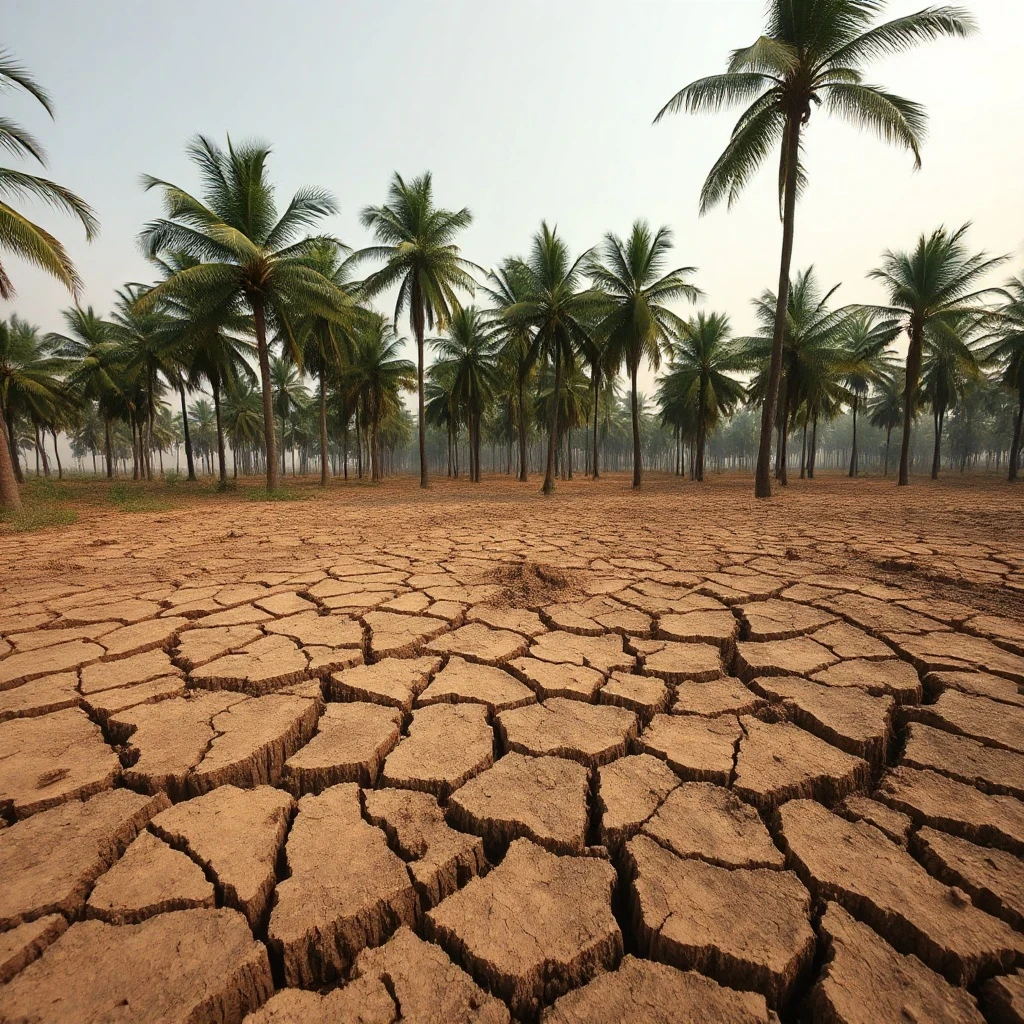
Palm oil markets are drawing support from a combination of policy-driven demand and weather risks, even as supply-side data point to higher output and inventories. The latest Malaysian benchmark for crude palm oil held near $1106 per tonne, with the global benchmark at about $1101 and Indonesia's reference price around $1030. Brent crude's rise to roughly $88 per barrel has improved the economics of biodiesel blending, reinforcing the demand outlook from mandated programs.
Indonesia, Malaysia and Thailand have all raised their biodiesel mandates for 2026, a move that analysts say will divert a larger share of palm oil toward domestic fuel use. Indonesia's rollout of B50 distribution, led by state energy firm Pertamina, is a key driver. While Indonesia's first-half export growth slowed ahead of the B50 launch, the mandate is expected to keep more palm oil at home, tightening availability for the global market.
For compliance-minded buyers, the policy shift means less discretionary supply from the world's largest producer. The higher blend rates also raise the floor under palm oil prices, as fuel demand becomes a structural consumer alongside food and industrial uses.
El Niño conditions, with an ONI of +1.4, continue to hang over the market. Dry weather in Kalimantan, a major production zone, has raised concerns about future yields. Although Malaysian output rose in July—up 9.4% month-on-month to about 1.79 million tonnes—the market is looking past the immediate supply bump to potential stress in coming months.
UkrAgroConsult and other observers have flagged El Niño and biodiesel demand as key price supports, even as stocks build. Malaysia's July closing stocks increased 7.2% to about 1.43 million tonnes, and exports jumped 14.5% to 1.39 million tonnes, suggesting robust demand is absorbing much of the extra supply.
Malaysia lowered its September crude palm oil reference price, though the export duty remains at 10%. The adjustment is modest and does not change the overall cost structure for buyers, but it signals that authorities are mindful of keeping exports competitive.
Our model outlook sees the market consolidating near current levels with a slight upward drift over the next seven sessions. The bullish technical crossover and wide BOPO support are balanced by the bearish stock build and peak seasonal output. Key risks include Indonesian policy shifts, crude price swings and speculative long liquidation.
For buyers, the combination of higher mandates, weather risk and firm energy prices suggests that palm oil will remain well-supported in the near term. The absence of live cargo surveyor data adds uncertainty, but the policy and weather fundamentals point to a market that is unlikely to weaken significantly without a change in the demand picture.
Sources: UkrAgroConsult; TradingView; KLSE Screener; energynews.pro; BioEnergy Times; Biofuels International Magazine
Our market desk connects serious buyers with vetted origin suppliers across Southeast Asia. Indicative pricing, specifications and shipment guidance — free of charge.
Get connected →Indonesia, Malaysia and Thailand raise 2026 biodiesel mandates, tightening palm oil export availability.
Full story — Page 2 ▸MPOB data shows stocks up 7.2% month-on-month as production rises 9.4%, signaling supply pressure.
Full story — Page 2 ▸A $476 soybean-oil discount and El Niño support CPO, while a five-month high in Malaysian stocks and peak production cap gains.
Full story — Page 2 ▸Malaysian CPO edges up to RM4,520; July MPOB stocks rise to 5-month high, India import reports conflict.
Full story — Page 2 ▸Policy and weather signals support prices as Malaysia trims reference price and B50 rollout advances.
Full story — Page 2 ▸Malaysian benchmark holds near $1,106/MT despite higher stocks; crude gains and El Niño support, while supply outlook weighs.
Malaysian crude palm oil futures closed the session nearly flat, with the benchmark hovering around $1,106 per tonne (RM 4,520), up just 0.1% from the previous day. The global World Bank benchmark stood at $1,101, while Indonesia's reference price was about $1,030. The market is consolidating after a week of low volatility, with our model outlook pointing to a mean-reverting drift over the next seven sessions, carrying a neutral technical bias.
Malaysian CPO is around $1,104/MT as the model sees four bullish and four bearish factors, with a mild drift to ~$1,101 in the seven-session outlook.
Malaysian CPO benchmark is about $1,104/MT, or RM 4,520/MT, down 0.4% from the previous session. The World Bank benchmark sits near $1,101/MT and Indonesia’s reference price is about $1,030/MT. Brent crude is $89/bbl, up 0.5% on the day; USD/MYR is 4.09. The tone is one of rangebound balancing, with buyers pointing to palm’s discount to soy oil and positive technicals, while sellers point to a July stock build and peak production.
The strongest underpinning is the BOPO spread. With soybean oil at $1,581/MT and Malaysian CPO at $1,104/MT, palm is trading $477/MT below soy oil. That discount is wide enough to encourage demand substitution, especially in price-sensitive food and biodiesel users, and it supports the case that buyers will switch into palm when soy oil is expensive. This does not force an immediate rally, but it reduces the downside risk and creates demand elasticity.
Technicals are also mildly supportive. The MACD histogram is positive, the 5/20 simple moving average is in a golden cross, and RSI sits at 50, neither overbought nor oversold. That says the near-term uptrend is intact but losing momentum; it invites dip-buying rather than breakout-chasing.
Longer-horizon buyers are also pricing some El Niño risk. The ONI is +1.4C, consistent with a developing strong El Niño. Sarawak and Kalimantan are dry, with Kalimantan forecast at only 2mm over the next seven days. This is a lagged driver: drought stress now can lower yields months later, so it supports anticipation of a tighter 2027 supply rather than changing spot supply today. Seven-day rainfall is 39mm in Peninsular Malaysia, 28mm in Sabah, 17mm in Sarawak and 30mm in Sumatra; no extreme flooding, so rainfall is neutral, though dry Kalimantan is a lagged stress.
Finally, the Diwali demand calendar is supportive. Diwali is 87 days away and the buying window opens in about 38 days. Festival restocking underpins demand for edible oils, giving importers a reason to maintain or increase near-term coverage even if it is not immediate.
The biggest bearish input is the July MPOB data. Malaysia’s July closing stocks rose 7.2% month-on-month to 1,429,316 tonnes, a five-month high, and the stocks-to-use ratio is 12.5%, above the threshold where the market starts to worry about ample supply. Production rose 9.4% month-on-month to 1,792,979 tonnes; that is a strong seasonal build and leaves the market well supplied for now. High visible stocks reduce the urgency to bid for cargoes.
Peak production season adds to that supply pressure. Our model’s seasonal path shows production rising about 7.0% one month ahead, and August through October is the usual peak output window. As long as output is rising and stocks are building, any demand-driven rally has to absorb additional supply first.
Indonesia is another source of downward pressure. The rupiah is weak at about 17,884 per dollar. A weak rupiah means Indonesian exporters receive more domestic currency for dollar-denominated sales, which encourages them to sell more palm oil into the export market, adding to global availability. The large levy plus duty policy burden could eventually slow exports, but the current 72-day-old reference price clouds that signal, and near-term the incentive structure favors more Indonesian selling.
Speculative positioning also poses downside risk. CFTC soyoil net length is +80,681 contracts, at the 80th percentile of its range, but the weekly change was -29,174. A crowded long position that has begun to unwind is vulnerable to accelerated liquidation; if soyoil falls, palm can be dragged down through cross-commodity flows. Brent is not a clear offset: at $88.9/bbl, Brent is down 0.9% over seven days, though the Aug 11 headline noted CPO rallied on stronger crude. That mixed crude signal leaves the energy linkage neutral.
According to our model outlook, the factor count is 4 bullish and 4 bearish, so neither side has a decisive upper hand. The market is rangebound near $1,104/MT, with a base case drift to about $1,101 over the next seven sessions. Support is $1,093 and resistance is $1,116; the published path is -0.1% over the same window. Missing cargo-surveyor export pace and live Bursa quotes widen uncertainty, so the model is trading a range rather than a clear directional call.
What would have to change for the balance to shift? If cargo-surveyor data show export demand running above the seasonal pace, or if Indonesia’s levy/duty policy materially slows export sales, the bullish side would strengthen and the market could test $1,116. On the other side, if speculative long liquidation accelerates, or if August production and closing stocks continue to exceed expectations, the bearish side would dominate and the market could break $1,093. For now, the wide BOPO spread and positive technicals are holding the downside in check, while the five-month Malaysian stock build and peak-season supply keep a lid on upside.
Malaysian CPO futures rally past RM4,750/MT, a four-month high, as stronger crude oil and gains in rival vegetable oils outweigh supply pressures.

Malaysian crude palm oil futures rallied above RM4,750 per tonne on Wednesday, reaching a four-month high, as firmer crude oil prices and gains in rival vegetable oils lifted the market. The benchmark contract climbed despite earlier pressure from rising production and inventories, with the catalyst shifting to energy and competing oilseed markets.
The rally comes after a period of consolidation near $1,104/MT (RM 4,519), where the market had digested a mixed supply-demand picture. Malaysia's July MPOB data showed CPO production at 1,792,979 tonnes, up 9.4% month-on-month, while closing stocks rose 7.2% to 1,429,316 tonnes—a five-month high. Exports jumped 14.5% to 1,392,178 tonnes, but imports plunged 51.9% to 49,566 tonnes. The FFB reference price edged up 1.2% to RM 49.50.
These supply-side factors had previously pressured prices, but the market has now turned bullish on external cues. The global benchmark hovered near $1,101/MT, while Indonesia's reference price stood at about $1,030/MT. Brent crude held firm near $87 a barrel, down 1.3% on the day but still supportive of biodiesel blend economics.
Stronger crude oil prices have improved the economics of palm oil-based biodiesel, underpinning demand. At the same time, gains in rival vegetable oils—soyoil and sunflower oil—have made palm oil relatively more attractive. Reports from China indicate palm oil prices rising amidst volatility, while Dalian and Chicago oils have shown strength in recent sessions.
Traders note that the rally above RM4,750 marks a breakout from the recent rangebound trading, with bullish momentum building. The move aligns with a four-month high, reflecting renewed confidence in the demand outlook.
El Niño conditions (ONI +1.4) continue to raise concerns about future yields, with dry weather reported in key regions such as Kalimantan. This risk premium remains an underlying support, even as seasonal production peaks. The market is also watching Black Sea oilseed supplies, which have been cheap, but disruptions could shift demand toward palm oil.
Our model outlook sees CPO facing mixed forces: near-term supply pressures from peak production and ample stocks, countered by a wide BOPO spread, El Niño anticipation, and firm crude oil. The recent rally suggests upside momentum, but volatility remains low. The expected path over the next seven sessions is a slight drift lower before stabilization, with uncertainty hinging on export pace and crude oil movements.
Key factors to watch include Malaysian export data for early August, China's vegetable oil demand, weather updates from producing regions, and any shifts in biodiesel policy. India's import pace and Black Sea supply dynamics will also be critical in shaping the balance.
Sources: The Star; Finimize; Business Recorder; CNBC TV18; AgroSpectrum India; energynews.pro
Regional biodiesel mandates lift demand; Malaysia's reference price cut keeps export duty at 10%.

Policy signals from Southeast Asia's top palm oil producers are firming the demand outlook for the rest of 2026, even as production peaks and stocks build. For compliance-minded buyers, the key developments are Indonesia's nationwide B50 biodiesel distribution and Malaysia's September reference price adjustment, which keeps the export duty unchanged at 10%.
Indonesia's state energy firm has launched nationwide B50 biodiesel distribution, a step that raises the mandatory blend to 50% palm oil-based fuel. This is part of a coordinated move by Indonesia, Malaysia and Thailand to raise their 2026 biodiesel mandates. For the palm oil market, the immediate effect is a structural increase in domestic absorption, reducing the volume available for export from the world's largest producer.
Indonesia's reference price for palm oil stands at about $1030 per tonne, well below the Malaysian benchmark of $1104 and the global benchmark of $1101. The gap reflects different pricing mechanisms and export tax structures. With B50 in place, Indonesia's domestic consumption could rise by several million tonnes annually, tightening the global supply-demand balance just as Malaysia's output climbs.
Malaysia's July data show production at 1.79 million tonnes, up 9.4% month-on-month, while stocks rose 7.2% to 1.43 million tonnes. Exports jumped 14.5% to 1.39 million tonnes, suggesting strong overseas demand despite the higher output. The September reference price cut, though, signals that the government is trying to keep exports competitive while maintaining the 10% duty—a balancing act that will influence trade flows into the fourth quarter.
For buyers, the policy mix points to a market that is well supplied in the near term but faces a tighter outlook as biodiesel mandates absorb more palm oil. The wide BOPO spread—about $477 per tonne—makes palm oil attractive for biodiesel blending, but it also means more palm oil is diverted to fuel, not food. This is a key reason why edible oil prices have been under upward pressure, as noted by India's central bank in a recent assessment.
Our model outlook sees CPO consolidating within a $1093–$1116 band over the next seven trading days, with a mild bearish tilt from peak production and ample stocks. But the policy tailwinds from biodiesel mandates, combined with firm crude at $88 per barrel, could limit downside. The El Niño weather pattern, with dry conditions in Sarawak and Kalimantan, adds a medium-term supply risk that may support prices later in the year.
Compliance-minded buyers should monitor mandate implementation in Indonesia and Malaysia, as any shortfall in feedstock could force higher palm oil use or accelerate imports. The September duty decision in Malaysia is a signal that export competitiveness remains a priority, but the structural demand from biofuels is a growing factor in price formation. For now, the market is balanced, but the policy direction is clear: more palm oil will be burned, not eaten.
Sources: TradingView; energynews.pro; Biofuels International Magazine; livemint.com
July output jumps 9.4% MoM, but dry weather in key regions points to a delayed yield drag

Malaysian palm oil futures settled around $1104/MT on Wednesday, down 0.4% from the prior session, as traders weighed a robust July production report against a weather backdrop that is turning drier across two of the region's key growing areas. The benchmark's mild pullback came despite a firm Brent crude market near $88/bbl, which keeps biodiesel blend economics supportive for vegetable oil demand.
Malaysia's MPOB data for July showed crude palm oil production at 1,792,979 tonnes, up 9.4% month-on-month, while closing stocks rose 7.2% to 1,429,316 tonnes. Exports climbed 14.5% to 1,392,178 tonnes, a stronger-than-seasonal outflow that partially absorbed the extra supply. Imports fell sharply, down 51.9% month-on-month to 49,566 tonnes, indicating less need for foreign fruit to feed local mills.
The production increase is consistent with the seasonal peak that typically runs through the third quarter. But the market's focus is shifting to what comes after that peak, and the weather signals are not uniformly benign.
The current El Niño episode, with an ONI of +1.4, remains firmly in place. For palm oil, the critical issue is not the immediate heat but the lagged effect on yields. El Niño-driven moisture stress typically reduces fruit bunch weight and slows flowering with a 6-12 month delay. That means trees that experienced dry conditions earlier in this event are only now beginning to show up in lower fresh fruit bunch yields.
Over the next seven days, rainfall is expected to be notably dry in Sarawak and Kalimantan, the two largest production states on each side of the border. Dry weather in these belts is a double-edged signal: it supports harvesting and logistics in the short term, allowing mills to process more fruit, but it also accelerates soil moisture depletion, which can feed into the lagged yield drag later in the year and into early 2027.
In Malaysia, Sarawak's dry spell comes at a time when the national crop is still expanding month-on-month. The risk is that a sustained dry period in the state's coastal and inland plantations trims bunch weights just as the seasonal peak flattens. Peninsular Malaysia, by contrast, has seen more balanced rainfall, which should help maintain output there in the near term.
Indonesia's Kalimantan, the country's largest producing island, is facing a similar dry pattern. The reference price set by Indonesia's trade ministry is around $1030/MT, below the global benchmark, reflecting the country's export levy structure and domestic market obligations. A dry Kalimantan could tighten Indonesian supply faster than expected if the dryness persists beyond the weekly window.
Our model outlook sees CPO consolidating within a $1093-$1116 Bollinger band over the next seven trading days, with a mild bearish tilt from peak production and ample July stocks. That bearishness is cushioned by a wide BOPO spread of $477/MT, which makes palm oil attractive relative to other vegetable oils, and by firm crude prices that underpin biodiesel blending.
The main uncertainty is the pace of export demand, which the market is tracking through cargo surveyor data that has not yet been fully incorporated into prices. Live soyoil quotes and Dalian futures are also missing from the current assessment, widening the range of possible outcomes.
For now, the weather story is one of near-term operational ease and medium-term yield risk. Dry conditions in Sarawak and Kalimantan are not yet severe enough to disrupt harvesting, but they are a reminder that El Niño's effects are still working through the crop cycle. The published path points to a modest 0.2% decline over the next seven sessions, but that assumes no sudden shift in the rainfall outlook or export demand. A wetter-than-forecast week in either belt would quickly change the tone.
Malaysia's July data show peak output and rising stocks, while El Niño and biodiesel economics frame the global balance.
The global palm oil balance sheet is a four-line equation: production, consumption, stocks and trade. Each line matters, but not equally. In the current cycle, the stock line is doing the heavy lifting for price direction, with production growth the main driver behind it.
Malaysia's July 2026 MPOB data confirm the seasonal peak is underway. Crude palm oil production rose 9.4% month-on-month to 1,792,979 tonnes, the strongest monthly gain of the year. Closing stocks climbed 7.2% to 1,429,316 tonnes, the third consecutive monthly build. The market's benchmark Malaysian CPO futures eased 0.4% to about $1104 per tonne, or RM 4520, as the supply overhang weighed on sentiment.
Indonesia, the larger producer, is also in its high-output window. Global reference prices sit just below Malaysia's, with the World Bank benchmark at about $1101 per tonne and Indonesia's Kemendag reference at about $1030 per tonne. The discount reflects export-tax structures and destination mix rather than a fundamental supply gap.
The wildcard is climate. ENSO is in El Niño territory with an ONI of +1.4, and rainfall anomalies are already visible: Sarawak and Kalimantan are both dry. That dryness, if it persists into the fourth quarter, would hit the next crop cycle more than the current one. For now, production is ample, but the market is paying a premium for the risk that 2027 output underperforms.
Consumption growth is steady but not explosive. Food use rises with population and income, but the marginal demand driver is biodiesel. Brent crude at about $88 per barrel, down 0.5% on the session, keeps the palm-oil-to-gasoil spread wide at roughly $477 per tonne. That margin makes palm-based biodiesel commercially attractive without mandates alone, cushioning demand even as supply builds.
Trade flows reflect the supply push. Malaysian palm oil exports jumped 14.5% month-on-month to 1,392,178 tonnes in July, while imports collapsed 51.9% to 49,566 tonnes. The export surge is consistent with buyers restocking ahead of any El Niño-driven price strength later in the year.
In this environment, the stock line moves prices most. Production is known, consumption is predictable, and trade is a function of the first two. Stocks are the residual, and the market reads them as the clearest signal of tightness or surplus. July's build points to a mild surplus, yet the market has not broken down, because the weather premium and biodiesel economics are holding a floor.
Our model outlook sees CPO consolidating within a $1093-$1116 Bollinger band over the next seven trading days, with a mild bearish tilt from peak output and ample stocks, cushioned by the wide BOPO spread, El Niño anticipation and firm crude. The published path is -0.2% over that window.
For the balance to tighten, three things would need to happen: sustained dry weather in Sarawak and Kalimantan into September, a sharper rise in crude oil that widens the biodiesel incentive further, or a pickup in import demand from major buyers that draws down Malaysian stocks faster than seasonal norms. Any one of those would shift the stock line and with it the price.
Buyers should watch three indicators: the weekly cargo-surveyor export data from Malaysia, live soyoil quotes as the cross-commodity anchor, and Dalian palm prices for China's demand pulse. Missing those, the market is trading on weather forecasts and crude oil alone, which is a thinner information set than the balance sheet deserves.
A practical guide to choosing the right palm oil packaging for your supply chain.
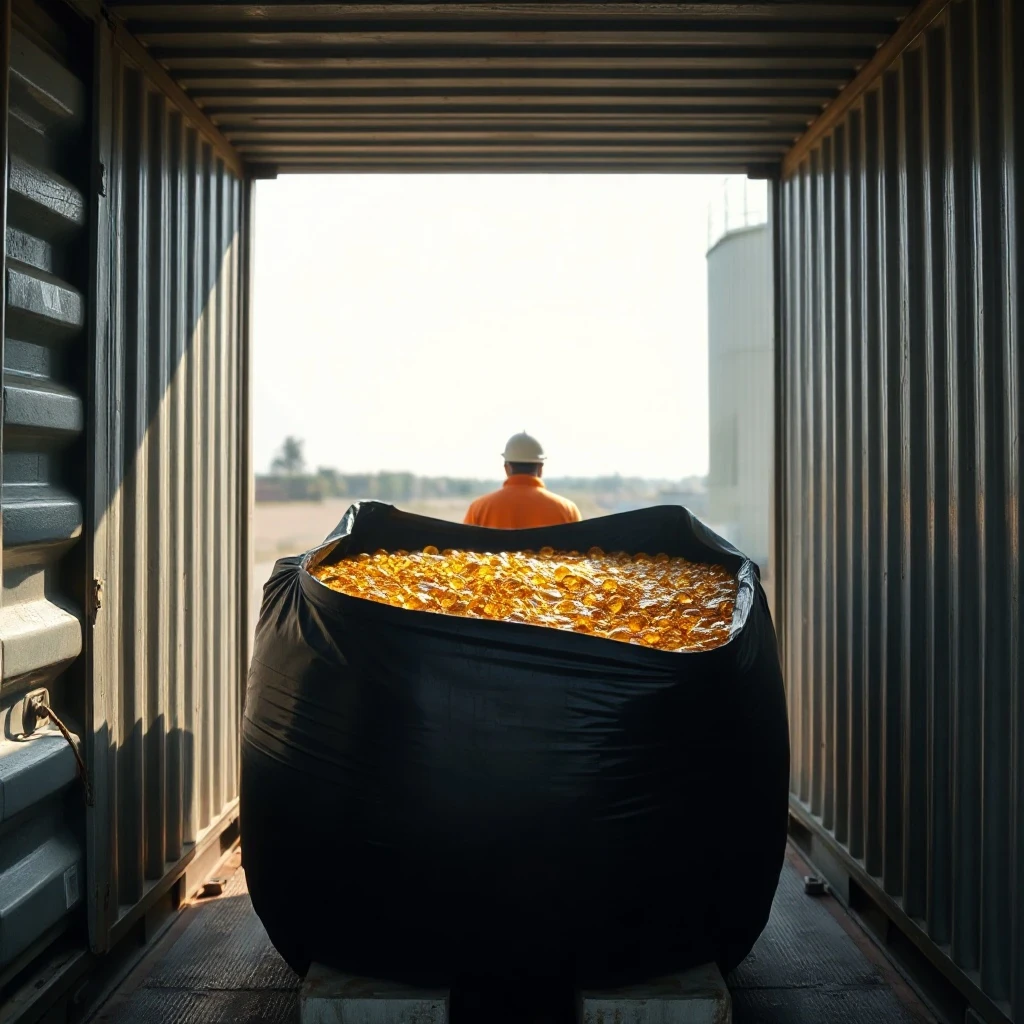
Procurement managers and first-time buyers of palm oil face a critical early decision: how to transport and receive the product. The choice of packaging—flexitank, intermediate bulk container (IBC), drum, or bulk vessel—affects cost, logistics, shelf life, and handling complexity. There is no single best option; the right choice depends on volume, infrastructure, and end-use.
Volume and Frequency – Regular, large-volume purchases favor bulk or flexitanks. Occasional or small-batch needs favor IBCs or drums. Matching packaging to consumption avoids waste and storage issues.
Receiving Infrastructure – Bulk vessel discharge requires shore tanks and pipelines. Flexitanks need a pump and a suitable storage tank. IBCs and drums only need a forklift and a dry, ventilated warehouse. Assess your facility’s capabilities before committing.
Product Quality and Shelf Life – Palm oil is prone to oxidation and contamination. Flexitanks and bulk vessels offer sealed environments, but once opened, the oil must be used or transferred promptly. IBCs and drums, if properly sealed, can preserve quality for longer periods, but each opening exposes the oil to air.
Logistics and Cost – Bulk is cheapest per ton but requires long-term contracts and large minimums. Flexitanks reduce freight cost compared to drums or IBCs, but the single-use bag adds a disposal cost. IBCs and drums have higher per-liter packaging costs but lower entry barriers.
Regulatory and Compliance – Food-grade palm oil must be transported in containers that meet food-safety standards. Ensure any packaging—flexitank liner, IBC, or drum—is food-grade certified and cleaned to required specifications. Bulk vessels must have prior cargo history to avoid contamination.
If you are a small food manufacturer using a few tons monthly, IBCs or drums are practical. A mid-sized processor with storage tanks can use flexitanks for regular container shipments. A large refiner or biodiesel plant with port access will likely rely on bulk vessels.
Begin by mapping your monthly volume, storage capacity, and budget. Consult with logistics providers and your palm oil supplier to align packaging with your operational reality. Test with a smaller packaging type before scaling up, and always verify the quality upon receipt. The right packaging is not just about moving oil—it is about protecting your product and your bottom line.
Our market desk connects serious buyers with vetted origin suppliers across Southeast Asia. Indicative pricing, specifications and shipment guidance — free of charge.
Get connected →Malaysian CPO futures rally past RM4,750/MT, a four-month high, as stronger crude oil and gains in rival vegetable oils outweigh supply pressures.
Full story — Page 2 ▸Regional biodiesel mandates lift demand; Malaysia's reference price cut keeps export duty at 10%.
Full story — Page 2 ▸July output jumps 9.4% MoM, but dry weather in key regions points to a delayed yield drag
Full story — Page 2 ▸Malaysia's July data show peak output and rising stocks, while El Niño and biodiesel economics frame the global balance.
Full story — Page 2 ▸A practical guide to choosing the right palm oil packaging for your supply chain.
Full story — Page 2 ▸Malaysian CPO is around $1,104/MT as the model sees four bullish and four bearish factors, with a mild drift to ~$1,101 in the seven-session outlook.
Malaysian CPO benchmark is about $1,104/MT, or RM 4,520/MT, down 0.4% from the previous session. The World Bank benchmark sits near $1,101/MT and Indonesia’s reference price is about $1,030/MT. Brent crude is $89/bbl, up 0.5% on the day; USD/MYR is 4.09. The tone is one of rangebound balancing, with buyers pointing to palm’s discount to soy oil and positive technicals, while sellers point to a July stock build and peak production.
The strongest underpinning is the BOPO spread. With soybean oil at $1,581/MT and Malaysian CPO at $1,104/MT, palm is trading $477/MT below soy oil. That discount is wide enough to encourage demand substitution, especially in price-sensitive food and biodiesel users, and it supports the case that buyers will switch into palm when soy oil is expensive. This does not force an immediate rally, but it reduces the downside risk and creates demand elasticity.
Technicals are also mildly supportive. The MACD histogram is positive, the 5/20 simple moving average is in a golden cross, and RSI sits at 50, neither overbought nor oversold. That says the near-term uptrend is intact but losing momentum; it invites dip-buying rather than breakout-chasing.
Longer-horizon buyers are also pricing some El Niño risk. The ONI is +1.4C, consistent with a developing strong El Niño. Sarawak and Kalimantan are dry, with Kalimantan forecast at only 2mm over the next seven days. This is a lagged driver: drought stress now can lower yields months later, so it supports anticipation of a tighter 2027 supply rather than changing spot supply today. Seven-day rainfall is 39mm in Peninsular Malaysia, 28mm in Sabah, 17mm in Sarawak and 30mm in Sumatra; no extreme flooding, so rainfall is neutral, though dry Kalimantan is a lagged stress.
Finally, the Diwali demand calendar is supportive. Diwali is 87 days away and the buying window opens in about 38 days. Festival restocking underpins demand for edible oils, giving importers a reason to maintain or increase near-term coverage even if it is not immediate.
The biggest bearish input is the July MPOB data. Malaysia’s July closing stocks rose 7.2% month-on-month to 1,429,316 tonnes, a five-month high, and the stocks-to-use ratio is 12.5%, above the threshold where the market starts to worry about ample supply. Production rose 9.4% month-on-month to 1,792,979 tonnes; that is a strong seasonal build and leaves the market well supplied for now. High visible stocks reduce the urgency to bid for cargoes.
Peak production season adds to that supply pressure. Our model’s seasonal path shows production rising about 7.0% one month ahead, and August through October is the usual peak output window. As long as output is rising and stocks are building, any demand-driven rally has to absorb additional supply first.
Indonesia is another source of downward pressure. The rupiah is weak at about 17,884 per dollar. A weak rupiah means Indonesian exporters receive more domestic currency for dollar-denominated sales, which encourages them to sell more palm oil into the export market, adding to global availability. The large levy plus duty policy burden could eventually slow exports, but the current 72-day-old reference price clouds that signal, and near-term the incentive structure favors more Indonesian selling.
Speculative positioning also poses downside risk. CFTC soyoil net length is +80,681 contracts, at the 80th percentile of its range, but the weekly change was -29,174. A crowded long position that has begun to unwind is vulnerable to accelerated liquidation; if soyoil falls, palm can be dragged down through cross-commodity flows. Brent is not a clear offset: at $88.9/bbl, Brent is down 0.9% over seven days, though the Aug 11 headline noted CPO rallied on stronger crude. That mixed crude signal leaves the energy linkage neutral.
According to our model outlook, the factor count is 4 bullish and 4 bearish, so neither side has a decisive upper hand. The market is rangebound near $1,104/MT, with a base case drift to about $1,101 over the next seven sessions. Support is $1,093 and resistance is $1,116; the published path is -0.1% over the same window. Missing cargo-surveyor export pace and live Bursa quotes widen uncertainty, so the model is trading a range rather than a clear directional call.
What would have to change for the balance to shift? If cargo-surveyor data show export demand running above the seasonal pace, or if Indonesia’s levy/duty policy materially slows export sales, the bullish side would strengthen and the market could test $1,116. On the other side, if speculative long liquidation accelerates, or if August production and closing stocks continue to exceed expectations, the bearish side would dominate and the market could break $1,093. For now, the wide BOPO spread and positive technicals are holding the downside in check, while the five-month Malaysian stock build and peak-season supply keep a lid on upside.
Strong El Niño probability mounts, raising supply concerns despite ample Malaysian inventories and peak output.

The probability of a strong El Niño is rising sharply, a development that is refocusing attention on palm oil supply risks even as near-term inventories remain comfortable. The latest MPOB July report preview highlights this growing weather threat and asks how far off the long-awaited inventory inflection point may be. For traders and buyers, the combination of a firming weather risk premium and currently ample stocks is creating a delicate balancing act in the market.
Malaysian crude palm oil (CPO) futures were trading at about $1,109 per tonne (RM 4,539) on Wednesday, up a marginal 0.1% from the previous session. The global benchmark stood at roughly $1,101 per tonne, while Indonesia's reference price was set near $1,030 per tonne. These price levels reflect a market that is steady but cautious, with gains capped by technical resistance and a well-supplied near-term outlook.
Malaysia's MPOB data for July showed CPO production rose 9.4% month-on-month to 1,792,979 tonnes, while closing stocks increased 7.2% to 1,429,316 tonnes. Exports were stronger, up 14.5% to 1,392,178 tonnes, but imports fell sharply by 51.9% to 49,566 tonnes. The fresh fruit bunch reference price edged up 1.2% to RM 49.50. The build in stocks, though expected during the peak production season, has kept a lid on bullish sentiment.
The El Niño event, currently measured at ONI +1.4, is already contributing to dry conditions in key growing regions, notably Kalimantan. The rising probability of a strong El Niño adds a longer-term supply concern that could tighten inventories later in the season. While near-term peak output and ample July stocks temper immediate bullishness, the weather risk is increasingly being priced into the market's outlook.
Our model outlook points to modest further gains in CPO prices over the next seven trading days, driven by the sharp rally in Brent crude oil, which is hovering near $89 per barrel, and a wide palm-soyoil discount that encourages demand switching. However, upside is capped by technical resistance near the upper Bollinger Band at $1,116 and recent speculative long liquidation in soyoil futures. The expected path is a gently rising but choppy market, with a projected gain of 0.2% over the next seven sessions.
Traders are monitoring the interplay between weather-driven supply risks and the current stock surplus. A stronger El Niño could accelerate the drawdown of inventories in the months ahead, potentially shifting the market from a comfortable surplus to a tighter balance. For now, the immediate data points to ample supply, but the weather risk is a factor that cannot be ignored in positioning for the coming quarters.
Sources: news.futunn.com; UkrAgroConsult
Bullish biodiesel demand and El Niño concerns counter bearish supply dynamics, keeping palm oil in a narrow consolidation range.
Malaysian crude palm oil (CPO) was little changed on Wednesday, with the benchmark contract edging down 0.2% to $1,106 per metric ton (RM4,529) as traders weighed conflicting signals. Prices remain in a tight range near the upper end of their recent channel, consolidating after a period of mild gains driven by a surge in energy markets.
The strongest bullish impulse is coming from a sharp rally in Brent crude, which has jumped 12.7% over the past week to near $89.50 a barrel. Higher oil prices improve the economics of biodiesel blending, making palm oil more attractive as a feedstock and supportive of CPO’s relative value. The palm–soyoil discount, currently averaging $475 per metric ton, is also lending support by incentivizing demand switching from soybean oil to cheaper palm, putting a floor under the market.
Fears of a developing El Niño are adding a speculative bid. With sea‑surface temperatures in the equatorial Pacific running +1.4°C above normal, traders are pricing in the risk of yield declines across Southeast Asia later in the season, prompting early buying despite currently comfortable stock levels. Technically, a golden cross of the 5‑day and 20‑day moving averages and a positive MACD histogram signal short‑term upward momentum, though the RSI remains neutral.
On the supply side, Malaysian inventory data for July showed a 7.2% month‑on‑month rise to 1.43 million tonnes, with the stocks‑to‑use ratio climbing to a comfortable 12.5%. Seasonal patterns suggest a further build of around 11.2% in August, capping upside pressure. The weak Indonesian rupiah, trading near 17,797 to the US dollar, is encouraging aggressive export selling out of Indonesia, increasing global supply and keeping a lid on prices.
Positioning adds another layer of vulnerability. Speculative net long positions in soybean oil remain at the 80th percentile of recent history, despite a reduction of 29,000 contracts last week. This crowded trade could exacerbate a sell‑off if sentiment shifts, with the potential to spill over into related palm oil markets.
With four bullish and four bearish factors in play, neither side has a clear upper hand. Our model outlook suggests a mild upward bias over the next seven sessions, but the path is narrow—just a projected 0.4% gain—and upside is firmly capped by rising stocks and Indonesian exports. The market is likely to remain range‑bound unless one of these forces breaks decisively. A further surge in crude oil or a confirmed strong El Niño could tip the scales to the upside, while a larger‑than‑expected Malaysian stock build or a sharp ramp‑up in exports out of Indonesia could flip the balance bearish. For now, consolidation near the top of the recent range is the most probable scenario.
Malaysian benchmark holds near four-month highs; MPOB stocks rise, but crude strength and El Niño lend support.
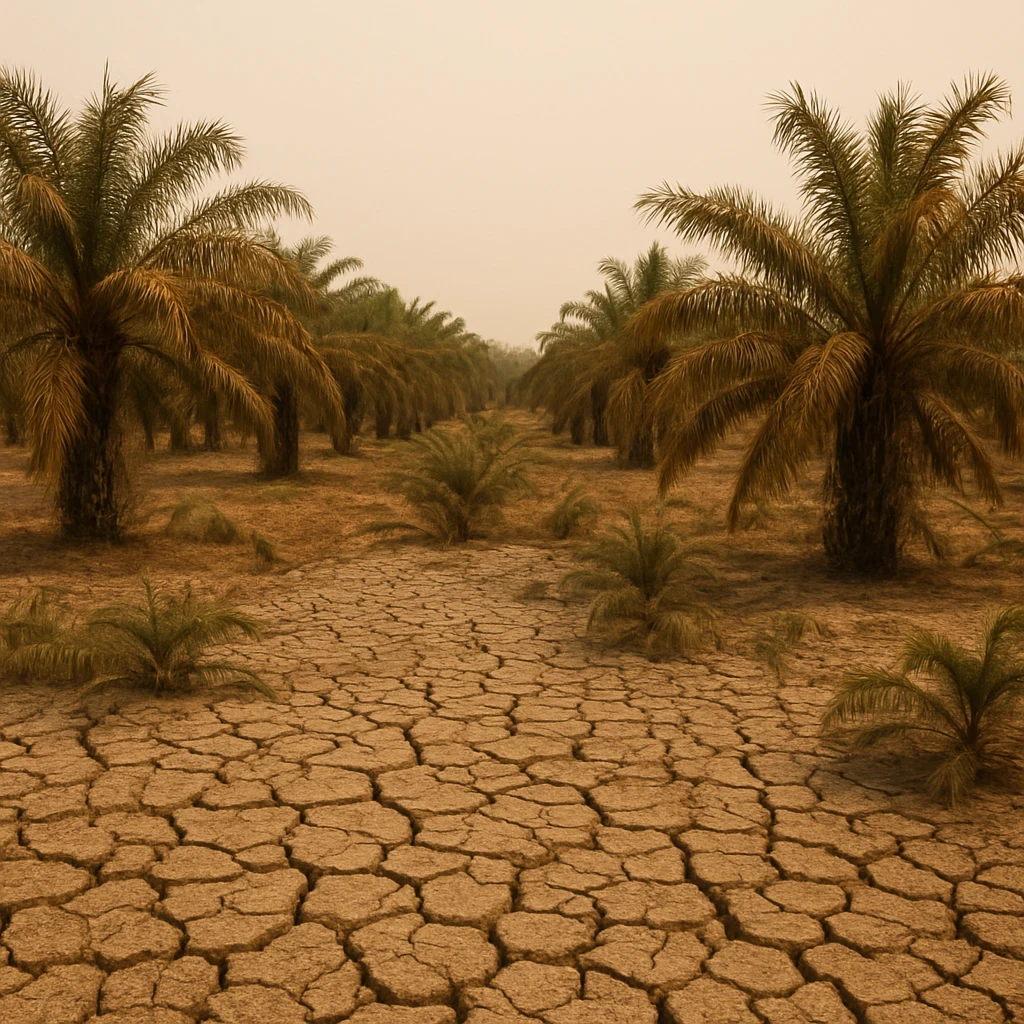
Malaysian crude palm oil futures closed near $1106 per tonne (RM 4529), down 0.2% on the session, after touching four-month highs earlier in the week. The global benchmark sits at about $1101, while Indonesia's reference price is around $1030. The market is consolidating after a crude-led rally, with Brent up 0.5% to about $90 per barrel.
The latest MPOB data for July show Malaysian CPO production at 1,792,979 tonnes, up 9.4% month-on-month, while closing stocks rose 7.2% to 1,429,316 tonnes. Exports jumped 14.5% to 1,392,178 tonnes, reflecting strong demand, but imports fell sharply by 51.9% to 49,566 tonnes. The higher stocks and peak production season are capping price gains, even as the export surge points to robust buying.
ENSO conditions are in El Niño territory, with ONI at +1.4. Kalimantan is notably dry, raising concerns about future output. Our model outlook notes that a developing El Niño offers lagged bullish support, but the immediate impact is muted by current high stocks. Market watchers are debating when the 'inventory inflection point' will arrive, as highlighted in recent previews.
Firm crude oil prices are underpinning biodiesel economics, with Indonesia, Malaysia, and Thailand having raised mandates for 2026. Indonesia's B50 program, rolled out by Pertamina, is a key driver. India's vegetable oil imports surged 13% in July, with palm oil demand accelerating, and imports are expected to stay strong ahead of festivals. However, rival oils in China are weakening, pressuring palm oil sentiment.
Our model outlook expects modest upward drift over the next seven sessions, with crude as the primary driver. Position squaring and technical resistance near recent highs are likely to limit gains. The published path is +0.2% over the week.
Buyers should monitor crude oil movements, as they directly influence biodiesel demand and palm oil's competitive position. Also watch for any further dryness in Kalimantan, which could tighten supply expectations. The balance between strong exports and rising stocks will be key in the near term.
Sources: Business Daily; Finimize; Business Recorder; Borneo Post; UkrAgroConsult; ChemAnalyst
A practical guide to Nigeria's import restrictions and forex measures, and what they mean for procurement managers.
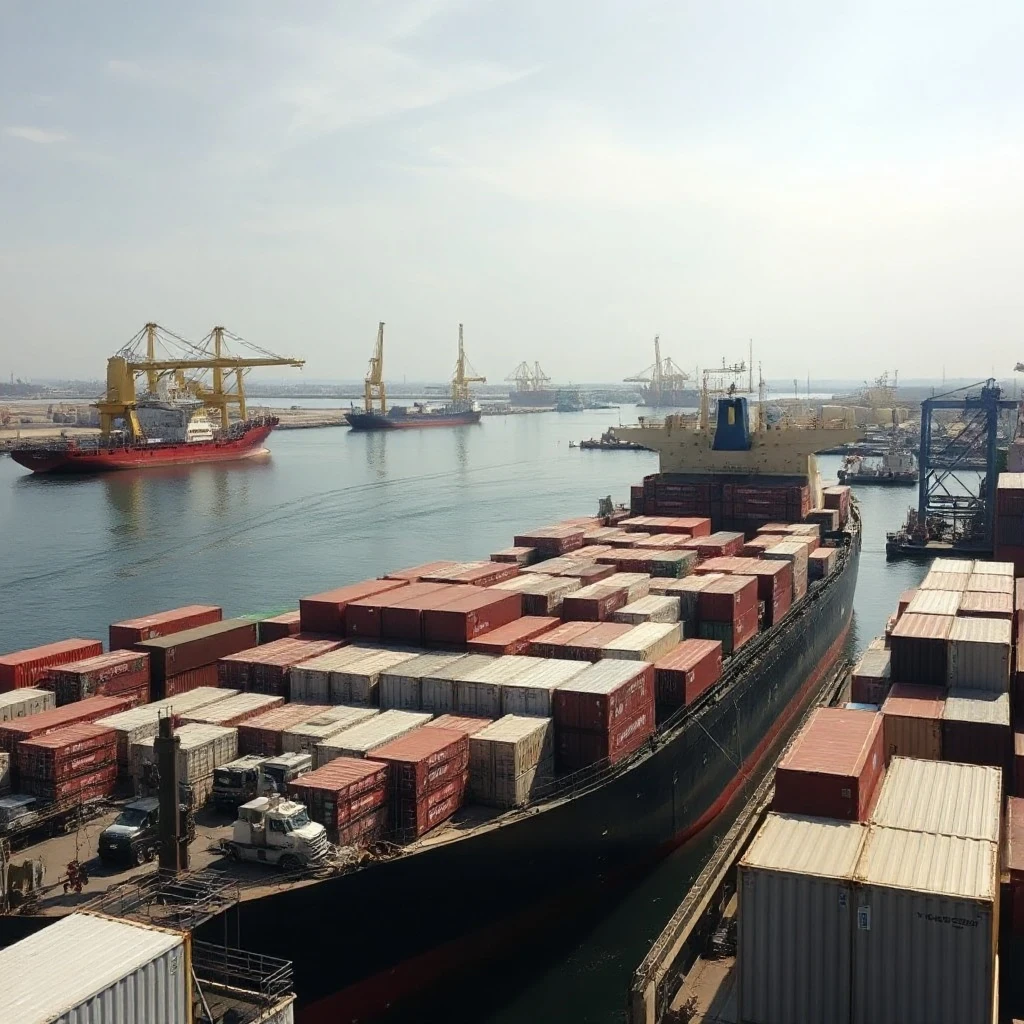
For buyers of palm oil, the policy environment in producing countries is as influential as global supply and demand. In West Africa, and particularly Nigeria, government measures to boost domestic production and conserve foreign exchange have a direct and often underestimated impact on the cost of palm oil delivered to your port.
This explainer breaks down the mechanics of these policies, how they interact, and what to watch as you plan your procurement strategy.
Nigeria, like several West African nations, has long pursued a policy of import substitution for agricultural commodities, including palm oil. The primary tool is a combination of tariffs and non-tariff barriers.
The commercial effect is straightforward: every layer of restriction adds to the landed cost, pushing the final price above the international market benchmark. For a buyer, this means Nigerian palm oil is rarely the cheapest option on a pure price basis, but it is often the only option if you need to source locally to meet contractual or regulatory obligations.
A second, and often more volatile, policy lever is foreign exchange (forex) management. Nigeria has, at various times, maintained a managed currency regime, with the central bank controlling access to dollars and other hard currencies.
For a procurement manager, understanding this mechanism is critical. A sudden tightening of forex availability can make an otherwise viable import deal uneconomical overnight, or it can signal a shift in government policy that will affect pricing for months.
The rationale behind these policies is the long-term goal of self-sufficiency. By making imports expensive and difficult, the government aims to incentivize local production and processing. This has led to significant investment in plantations and mills, but the transition is neither quick nor smooth.
For those sourcing from West Africa, the key is to track policy signals, not just market prices. Here are the indicators that matter:
In practice, a buyer who monitors these signals can anticipate price movements and adjust sourcing strategies. For example, if forex restrictions are expected to tighten, it may be prudent to lock in longer-term contracts or secure forex early. Conversely, if domestic production is ramping up, the premium for local product may narrow, offering negotiating leverage.
The bottom line: West African palm oil policy is not a static backdrop but a dynamic force that directly shapes your landed cost. By understanding the mechanics of import restrictions and forex measures, you can better navigate the market and protect your supply chain from policy-driven volatility. ---
*This article reflects the position as of 12 August 2026. Duty structures, levies and mandates change often, sometimes at short notice. Please verify the current position, and any changes made after this date, before relying on it.*
A step-by-step explainer of Indonesia's domestic market obligation and how it periodically reduces export availability.

Indonesia's Domestic Market Obligation (DMO) and Domestic Price Obligation (DPO) are policy tools designed to keep cooking oil affordable at home. For buyers abroad, they are a recurring source of supply tightness. Understanding how they are structured helps traders anticipate when export volumes may shrink and why landed costs can spike.
The DMO is activated when domestic cooking oil prices exceed a government-set ceiling. The DPO is the price cap that triggers the obligation. When the reference price for bulk cooking oil breaches that ceiling, the government requires palm oil exporters to sell a portion of their output domestically at a capped price.
The trigger is not a fixed date but a price condition. When domestic prices stay above the ceiling for a sustained period, the obligation is enforced. When prices fall back, the policy may be relaxed or suspended. The structure is designed to respond to local market stress, not to global demand.
Exporters must prove they have fulfilled their DMO before they receive export permits. The ratio is set by the government and determines how much domestic sales are required to earn a given volume of export rights. For example, if the ratio is 1:5, a trader who sells one tonne domestically may be allowed to export five tonnes. This ratio can be adjusted to tighten or loosen the export flow.
The ratio is a key lever. When domestic prices stay high, the government may raise the required domestic share, effectively reducing the exportable surplus. When prices ease, the ratio may be lowered to encourage exports and support farmer incomes.
Because Indonesia is the world's largest palm oil exporter, any DMO enforcement removes a significant volume from the global market. The domestic share is sold at the capped price, which is often below the international price. That creates an implicit tax on exporters, who must absorb the margin loss.
When the DMO is active, exporters may also delay shipments while they secure permits, adding logistical bottlenecks. The combined effect is a sudden drop in available export volumes, which pushes up global prices. The impact is most pronounced when the policy is introduced or tightened, as traders scramble to secure cargoes.
Procurement managers should monitor Indonesian domestic cooking oil prices and any government statements about the DPO ceiling. A sustained rise in domestic prices is the first signal that the DMO may be triggered or tightened.
Also watch the export-permit ratio announcements. Changes in the ratio directly alter the flow of export permits. A higher ratio means more domestic sales required per tonne of exports, which reduces the supply available to the international market.
Finally, track the pace of permit issuance. Even when the policy is stable, slow administrative processing can create short-term supply gaps. Understanding these mechanics allows buyers to anticipate price spikes and adjust their sourcing strategies before the market reacts.
In short, Indonesia's DMO/DPO is a domestic price-control mechanism with global consequences. Its triggers are local price conditions, and its tools are the domestic sales ratio and export permits. For international buyers, the key is to watch domestic price signals and policy announcements, not just global demand and stocks. ---
*This article reflects the position as of 12 August 2026. Duty structures, levies and mandates change often, sometimes at short notice. Please verify the current position, and any changes made after this date, before relying on it.*
Higher blend mandates in top producers lift crude palm demand; EU deforestation rules test Africa's export competitiveness.

Policy shifts across major palm oil producing and consuming economies are tightening the demand picture for crude palm oil (CPO) even as supply fundamentals remain ample. For compliance-minded buyers, the interplay between energy policy and deforestation regulation is becoming the central price driver beyond weather and stocks.
Indonesia, Malaysia and Thailand have all raised their biodiesel mandates for 2026, with Indonesia's state energy firm Pertamina now running nationwide B50 distribution. The higher blend rate directly increases domestic CPO consumption, diverting a larger share of output away from export markets. India's central bank has linked the broad-based rise in edible oil prices to this biofuel-driven demand, citing Indonesia's B50 mandate as a key factor.
With Brent crude trading near $90 per barrel, the economics of palm-based biodiesel remain favourable relative to fossil diesel, supporting the viability of higher mandates. Our model outlook sees firmer crude as the primary near-term driver for CPO, with prices stabilizing around $1106 per tonne after a crude-led rally. However, the demand boost from biodiesel is partially offset by high Malaysian stocks and peak seasonal production.
The European Union's deforestation regulation is set to redefine export competitiveness for African producers, according to recent analysis. For buyers sourcing from Africa, compliance with EU traceability requirements will become a decisive factor in supply chain decisions. Producers that can demonstrate deforestation-free supply chains may gain preferential access, while those unable to meet documentation standards face exclusion from the EU market.
This regulatory pressure comes alongside duty-free edible oil imports from Nepal into India, which are emerging as a concern for domestic Indian producers. The combination of EU compliance costs and regional trade distortions is reshaping traditional palm oil trade routes, favouring suppliers with robust sustainability infrastructure.
Malaysian July data showed CPO production at 1.79 million tonnes, up 9.4% month-on-month, with closing stocks rising 7.2% to 1.43 million tonnes. Exports grew a stronger 14.5% to 1.39 million tonnes, while imports fell sharply. The build-up in stocks, together with peak production, limits upside despite biodiesel-driven domestic absorption.
A developing El Niño, with ONI at +1.4 and notably dry conditions in Kalimantan, offers lagged bullish support for prices, though the effect typically materializes over several months. Our model outlook expects modest upward drift over the next seven sessions, with crude oil as the main catalyst while position squaring and technical resistance cap gains.
For buyers, the key watch points are the pace of Indonesia's B50 rollout, EU enforcement timelines on deforestation compliance, and whether African suppliers can adapt quickly enough to retain European market access.
Sources: Business Daily; energynews.pro; Biofuels International Magazine; livemint.com
Our market desk connects serious buyers with vetted origin suppliers across Southeast Asia. Indicative pricing, specifications and shipment guidance — free of charge.
Get connected →Bullish biodiesel demand and El Niño concerns counter bearish supply dynamics, keeping palm oil in a narrow consolidation range.
Full story — Page 2 ▸Malaysian benchmark holds near four-month highs; MPOB stocks rise, but crude strength and El Niño lend support.
Full story — Page 2 ▸A practical guide to Nigeria's import restrictions and forex measures, and what they mean for procurement managers.
Full story — Page 2 ▸A step-by-step explainer of Indonesia's domestic market obligation and how it periodically reduces export availability.
Full story — Page 2 ▸Higher blend mandates in top producers lift crude palm demand; EU deforestation rules test Africa's export competitiveness.
Full story — Page 2 ▸Strong El Niño probability mounts, raising supply concerns despite ample Malaysian inventories and peak output.
The probability of a strong El Niño is rising sharply, a development that is refocusing attention on palm oil supply risks even as near-term inventories remain comfortable. The latest MPOB July report preview highlights this growing weather threat and asks how far off the long-awaited inventory inflection point may be. For traders and buyers, the combination of a firming weather risk premium and currently ample stocks is creating a delicate balancing act in the market.
Malaysian crude palm oil (CPO) futures were trading at about $1,109 per tonne (RM 4,539) on Wednesday, up a marginal 0.1% from the previous session. The global benchmark stood at roughly $1,101 per tonne, while Indonesia's reference price was set near $1,030 per tonne. These price levels reflect a market that is steady but cautious, with gains capped by technical resistance and a well-supplied near-term outlook.
Malaysia's MPOB data for July showed CPO production rose 9.4% month-on-month to 1,792,979 tonnes, while closing stocks increased 7.2% to 1,429,316 tonnes. Exports were stronger, up 14.5% to 1,392,178 tonnes, but imports fell sharply by 51.9% to 49,566 tonnes. The fresh fruit bunch reference price edged up 1.2% to RM 49.50. The build in stocks, though expected during the peak production season, has kept a lid on bullish sentiment.
The El Niño event, currently measured at ONI +1.4, is already contributing to dry conditions in key growing regions, notably Kalimantan. The rising probability of a strong El Niño adds a longer-term supply concern that could tighten inventories later in the season. While near-term peak output and ample July stocks temper immediate bullishness, the weather risk is increasingly being priced into the market's outlook.
Our model outlook points to modest further gains in CPO prices over the next seven trading days, driven by the sharp rally in Brent crude oil, which is hovering near $89 per barrel, and a wide palm-soyoil discount that encourages demand switching. However, upside is capped by technical resistance near the upper Bollinger Band at $1,116 and recent speculative long liquidation in soyoil futures. The expected path is a gently rising but choppy market, with a projected gain of 0.2% over the next seven sessions.
Traders are monitoring the interplay between weather-driven supply risks and the current stock surplus. A stronger El Niño could accelerate the drawdown of inventories in the months ahead, potentially shifting the market from a comfortable surplus to a tighter balance. For now, the immediate data points to ample supply, but the weather risk is a factor that cannot be ignored in positioning for the coming quarters.
Malaysian CPO benchmark holds above $1,100/MT, supported by strong BOPO discount and Brent rally, though ample stocks cap gains.

El Niño intensifies, tightening medium-term supply outlook. The ONI has reached +1.4°C, indicating a strong El Niño event. Historically, such conditions reduce Southeast Asian palm yields with a 6–12 month lag. The market is pricing in future production losses, adding a bullish bias to deferred contracts and sentiment.
Brent crude surge lifts biodiesel blending economics. Brent surged 11.3% over the last seven days to about $88/bbl. With higher crude prices, the relative attractiveness of biodiesel increases, raising the demand floor for palm oil as a feedstock in Indonesia and Malaysia. This drives speculative buying and commercial hedging.
Technical momentum confirms an uptrend. The MACD histogram is positive, and the 5/20 SMA golden cross signals short-term momentum. Prices are hovering near the upper Bollinger Band ($1,116), suggesting the uptrend remains intact, attracting technical traders.
August seasonality adds counter-seasonal support. Despite the peak production cycle, August historically averages a +0.7% MoM gain, often linked to pre-stocking ahead of festival demand. This seasonal pattern provides an additional layer of bullish sentiment.
Crowded soy oil longs face liquidation risk. CFTC data shows net long soybean oil positions remain in the 80th percentile historically, but they fell by 29,174 contracts last week. Such positioning leaves the complex vulnerable to a sharp sell-off if bullish catalysts fade, indirectly dragging on palm oil via the vegetable oil complex.
China’s import pullback may curb demand. Mainland China’s edible oil imports declined year-on-year in the first half of 2026. As the world’s largest palm oil importer, any sustained weakness in Chinese buying could erode price support, especially given high stocks in destination markets.
Malaysian CPO holds near $1,108 as exports jump 14.5% but stocks rise; Dalian and crude strength underpin, while Indonesia sets August reference at $996.52.
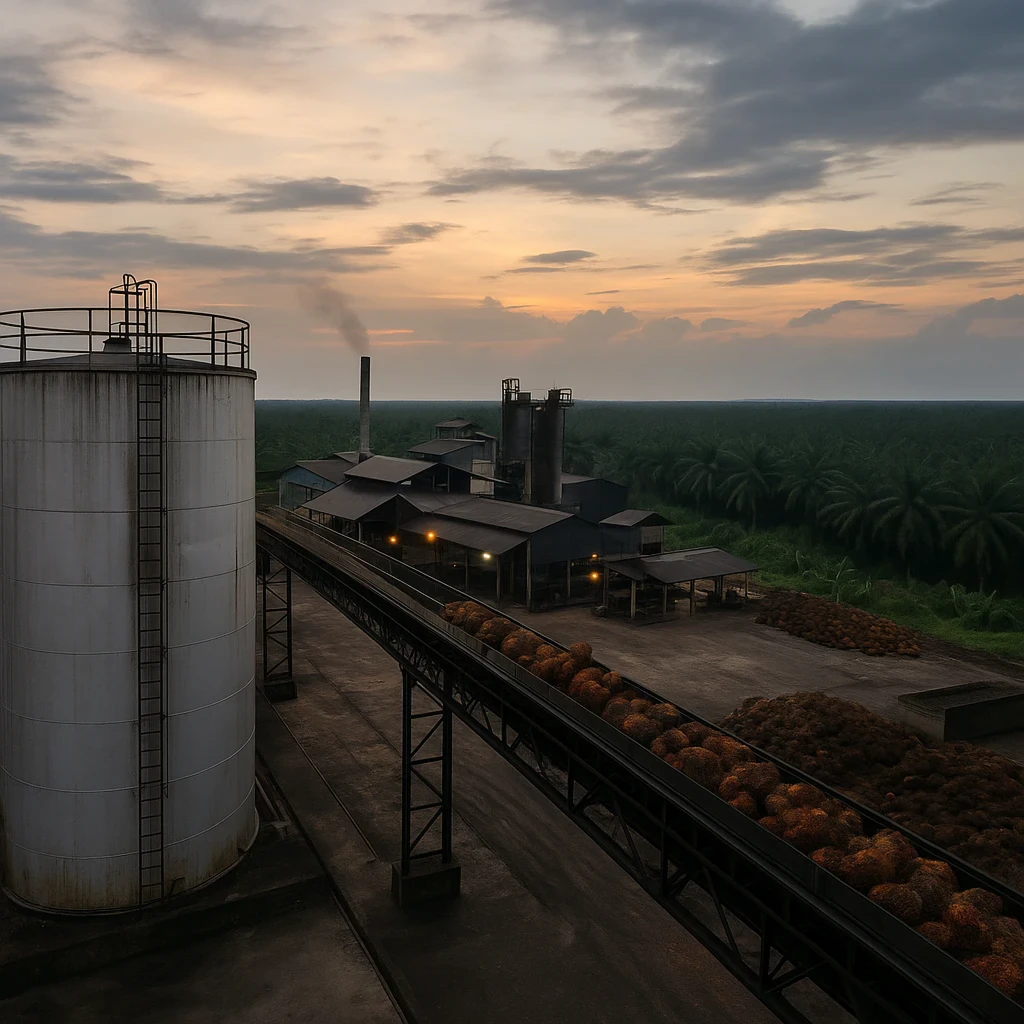
Malaysian crude palm oil futures held firm on Tuesday, with the benchmark contract trading around $1,108 per tonne (RM 4,530), up 0.4% from the previous session. The market is consolidating after hitting a four-month high on Monday, supported by strength in Dalian vegetable oil markets and firm crude oil prices, even as supply-side signals remain bearish.
The Malaysian Palm Oil Board reported July output at 1,792,979 tonnes, up 9.4% month-on-month, while closing stocks rose 7.2% to 1,429,316 tonnes. Exports, however, jumped 14.5% to 1,392,178 tonnes — a stronger-than-expected performance that cushioned the impact of rising inventories. Imports fell sharply to 49,566 tonnes (-51.9% MoM), reflecting ample domestic supply.
Despite the stock build, market participants took comfort from the export rebound. As one headline noted, palm oil closed at its highest in four months on Monday, tracking rival oils and expectations ahead of the MPOB release. The data, released Monday, confirmed the inventory increase but also highlighted resilient demand, particularly from India and China.
The market is closely watching weather developments. ENSO conditions are in El Niño territory (ONI +1.4), with notable dryness in Kalimantan, a key Indonesian production region. This has raised concerns about future output, even as current production peaks. Malaysia’s SD Guthrie has flagged potential El Niño impacts on 2027-28 output, adding a longer-term supply worry.
Indonesia, Malaysia, and Thailand have all raised their biodiesel mandates in 2026, with Indonesia's B50 program now rolling out nationwide. This structural demand boost, combined with Brent crude at $87 per barrel (-0.2%), keeps the biodiesel blending economics attractive. A wide BOPO spread means higher crude prices make palm-based biodiesel more competitive, underpinning the vegetable oil complex.
The Indonesian trade ministry (Kemendag) has set the August CPO reference price at $996.52 per tonne, a level below the Malaysian benchmark. This acts as a policy anchor, influencing export levies and potentially encouraging more Indonesian supply. The reference price is revised monthly and is closely watched by traders for signals on export policy.
India's vegetable oil imports surged 13% in recent months as palm oil demand accelerates ahead of festivals. China, however, reported a year-on-year decline in edible vegetable oil imports for the first half of the year, though the market is watching for any shift in buying patterns.
Global food prices are at their highest since 2023, according to the UN food agency, with edible oils contributing to the uptick. This macro backdrop supports the broader oils complex, even as palm oil faces its own supply overhang.
Our model outlook suggests CPO will trade range-bound with a mild downside bias over the next seven days. Ample stocks and peak production season are likely to cap gains, while supportive biodiesel demand and the wide BOPO spread provide a floor. Heavy Indonesian selling and speculative long liquidation remain risks to watch.
Key levels to monitor: the Malaysian benchmark's ability to hold above $1,100, and any weather-related headlines from Kalimantan. With El Niño firmly in place, the market will be sensitive to any signs of dryness spreading to other regions.
Keep an eye on Indonesian export policy and the monthly reference price, which currently stands at $996.52 per tonne, below the Malaysian benchmark. Also watch for weekly export data from Malaysia and any shifts in the USD/MYR exchange rate (currently around 4.09), as these will influence near-term price direction.
Sources: Mysteel; Sunsirs; 富途牛牛; KLSE Screener; Moomoo; Business Recorder
Understand how Indonesia's mandatory palm oil certification works, its phased smallholder rollout, and how it interacts with global standards.

Indonesia's ISPO (Indonesian Sustainable Palm Oil) certification is the country's national framework for ensuring palm oil production meets legal, environmental, and social standards. Unlike voluntary schemes, ISPO is mandatory for all oil palm growers and mills operating in Indonesia. Its scope covers plantation management, environmental impact, labor practices, and traceability, with the aim of aligning national production with global sustainability expectations.
The standard is structured around principles that address legal compliance, plantation management, environmental management, and community relations. For producers, ISPO certification is a legal requirement, and its enforcement is tied to government oversight. For buyers, ISPO represents a baseline of compliance that is distinct from voluntary certification schemes.
A key component of ISPO is its phased approach to including smallholders. Recognizing that independent smallholders often lack the resources to comply quickly, the government has set a timeline that gradually brings them into the certification system. This timeline is structured to allow for capacity building, technical assistance, and financial support, ensuring that smallholders can meet the standards without being excluded from the supply chain.
For procurement managers, this timeline matters because it affects the availability of certified supply. As smallholders become certified, the pool of ISPO-compliant crude palm oil expands, potentially influencing pricing and supply security. The timeline is not static; it can be adjusted based on progress and external factors, so buyers should monitor its evolution.
ISPO operates alongside international standards like the RSPO (Roundtable on Sustainable Palm Oil) and the EUDR (EU Deforestation Regulation). While RSPO is a voluntary, multi-stakeholder certification, and EUDR is a regulatory requirement for market access to the EU, ISPO is the domestic legal baseline. These systems are not mutually exclusive; producers often hold both ISPO and RSPO certifications to serve different markets.
For buyers, the key is to understand how these standards complement each other. ISPO provides a national benchmark, RSPO offers a globally recognized voluntary label, and EUDR demands traceability and deforestation-free evidence. A producer that is ISPO-certified may still need to demonstrate EUDR compliance for EU-bound shipments. The overlap lies in data and traceability: ISPO's requirements can support the due diligence needed for EUDR, but they do not automatically guarantee EUDR compliance.
For procurement managers and traders, the commercial implications are direct. ISPO certification can affect the cost of supply, as producers invest in compliance. The smallholder timeline influences the pace at which certified supply grows, impacting price differentials between certified and non-certified crude palm oil.
Buyers should monitor the implementation of ISPO, especially its smallholder rollout, as delays or accelerations can shift supply dynamics. They should also track how ISPO aligns with RSPO and EUDR, as this affects the ability to meet customer requirements without duplicating efforts. A producer that is ISPO-certified but not yet EUDR-ready may require additional due diligence, adding to landed cost.
In practice, understanding ISPO's structure and timeline helps buyers anticipate certification costs and supply availability. It is not a static regulation but a living framework that evolves with policy and market pressures. Staying informed on its progress is essential for managing risk and cost in palm oil procurement. ---
*This article reflects the position as of 11 August 2026. Duty structures, levies and mandates change often, sometimes at short notice. Please verify the current position, and any changes made after this date, before relying on it.*
Higher blends in top producers support demand, but El Nino and ample stocks temper price gains.

Palm oil policy and energy developments in Southeast Asia are tightening the demand picture even as supply fundamentals remain comfortable. Indonesia, Malaysia and Thailand have all raised their biodiesel mandates for 2026, a move that locks in a larger structural share of palm oil for fuel use and reduces the volume available for conventional edible-oil trade. Indonesia's nationwide rollout of B50 distribution, led by state energy firm Pertamina, is the most significant step, effectively doubling the mandated biodiesel content from the previous B35 level in the world's largest palm oil producer.
For compliance-minded buyers, the mandate escalation carries a clear signal: a growing portion of Indonesian supply is now reserved for domestic fuel blending, narrowing the exportable surplus over time. The wide gap between palm oil prices and Brent crude — currently around $88 per barrel — keeps blending economics attractive for fuel suppliers, which in turn supports the viability of higher mandates. This price spread is a key reason the market is treating the policy push as more than symbolic.
Meanwhile, the El Niño event (ONI +1.4) continues to influence production expectations. Dry conditions in Kalimantan, a core growing region, raise the risk of stress on young fruit bunches and could weigh on output in the coming months. However, the latest Malaysian data for July shows peak-season production is still delivering: CPO output rose 9.4% month-on-month to 1.79 million tonnes, while closing stocks climbed 7.2% to 1.43 million tonnes. Exports also strengthened, up 14.5% month-on-month, reflecting robust buying ahead of any weather-driven tightening.
Our model outlook sees Malaysian CPO trading range-bound with a mild downside bias over the next seven days. Ample stocks and peak-season output are likely to offset the supportive demand from biodiesel mandates and the wide blending spread. Heavy Indonesian selling and speculative long liquidation remain the key risks to watch on the downside, while crude strength and weather headlines could provide intermittent support. For buyers, the near-term window favors hand-to-mouth purchasing rather than building large forward positions, given the uncertain balance between policy-driven demand and supply-side pressure.
Sources: KLSE Screener; energynews.pro; Biofuels International Magazine
ENSO remains in El Niño with ONI +1.4; Kalimantan dry, while Malaysia sees rain. Lagged yield impact and current logistics disruptions weigh on output.
The palm oil complex continues to operate under an El Niño regime, with the Oceanic Niño Index at +1.4. This is a moderate-to-strong event, and its effects are now visible across the Malaysian and Indonesian palm belts. While the market focuses on immediate supply and demand data, the weather signal is layered: a lagged impact on yields from earlier drought, and immediate disruptions from current rainfall patterns.
Satellite and ground observations point to notably dry conditions in Kalimantan, a key production region in Indonesia. Dry weather there is generally favorable for harvesting and logistics, allowing for steady fruit intake at mills. However, prolonged dryness can stress trees, especially if it persists into the coming months.
In contrast, parts of Malaysia have seen wetter conditions. Heavy rain disrupts harvesting and transport now, as workers may face muddy field conditions and rivers can impede fruit collection. This can cause short-term supply hiccups, even as the broader production trend is upward.
El Niño's signature impact on palm oil is a reduction in fruit bunch weight, which typically manifests 6 to 12 months after the drought stress. The current ONI of +1.4 suggests that drought conditions have been in place for some time. This means that the trees in affected areas may be producing lighter bunches, a factor that could temper the expected peak-season output.
The Malaysian Palm Oil Board's July data already showed a 9.4% month-on-month rise in CPO production to 1,792,979 tonnes, but this is partly a seasonal recovery. The lagged effect of El Niño could mean that the growth in yields is less robust than in a neutral year, with smaller bunch weights offsetting the increase in harvested area.
Indonesia's reference price is set at about $1030 per tonne, and the country is a major exporter. Dry conditions in Kalimantan are a double-edged sword: they ease current logistics, but if they persist, they could exacerbate the lagged yield impact. Growers in the region may be hoping for a transition to La Niña, which typically brings wetter conditions to Southeast Asia, but that shift is not yet evident.
Our model outlook suggests that CPO prices will trade range-bound with a mild downside bias over the next seven days. Ample stocks—Malaysia's closing stocks rose 7.2% month-on-month to 1,429,316 tonnes—and peak production season are weighing on sentiment. However, supportive biodiesel demand, underpinned by a wide BOPO spread and Brent crude at about $88 per barrel, provides a floor.
Weather remains a wildcard. Any intensification of dry conditions in Kalimantan or unexpected heavy rains in Malaysia could tighten supply expectations. For now, the market is balancing these weather factors against a well-supplied physical market. Traders will watch the 7-day rainfall forecasts closely, as any deviation from the current pattern could shift the balance.
Malaysian stocks build and El Niño dries Kalimantan, but a wide gasoil spread keeps palm competitive in biodiesel.
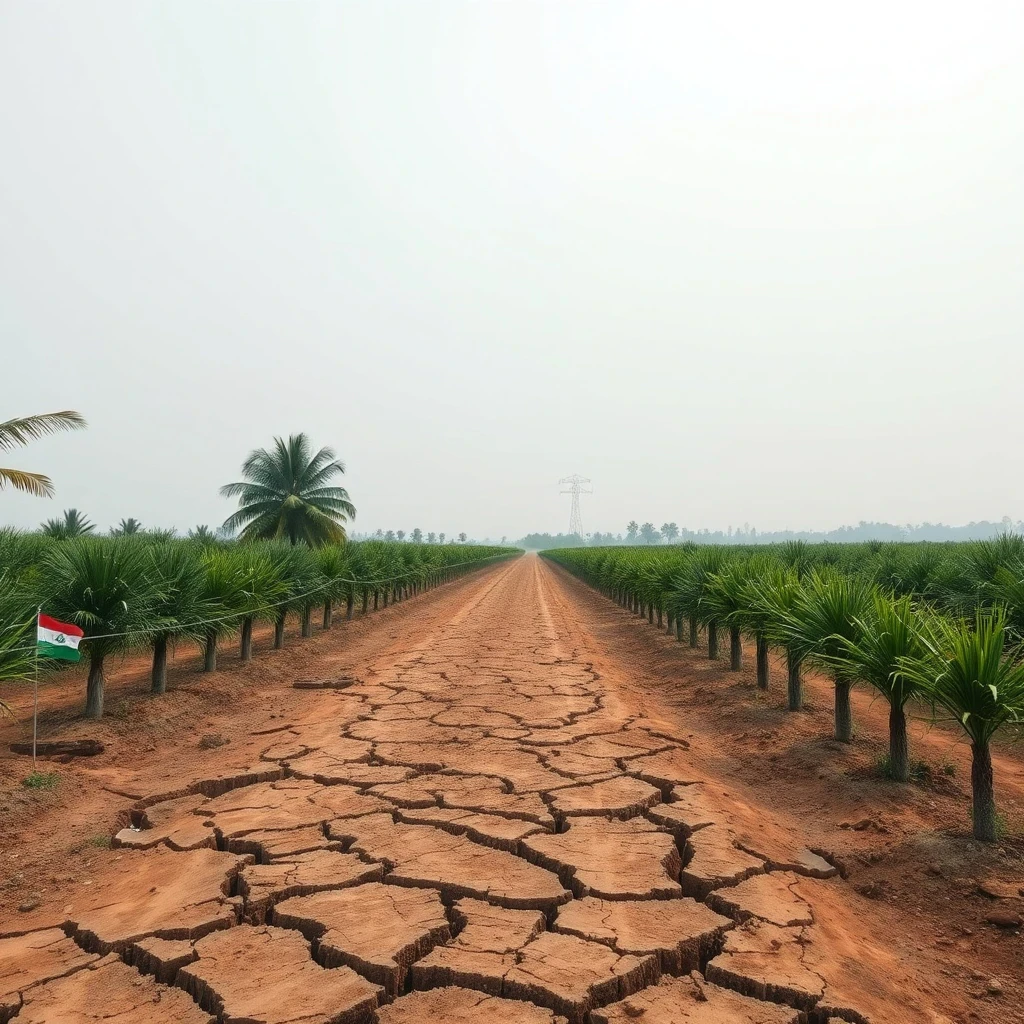
Malaysian crude palm oil futures settled around $1,109 per tonne on August 11, up 0.6% on the session, tracking a firmer Brent crude market. The global benchmark, as measured by the World Bank, stood near $1,101, while Indonesia's reference price was about $1,030. The narrow gap between Malaysian and Indonesian prices reflects ample supply in the region, even as weather risks linger.
The Malaysian Palm Oil Board's July data showed production climbing 9.4% month-on-month to 1.79 million tonnes, while closing stocks rose 7.2% to 1.43 million tonnes. Exports jumped 14.5% to 1.39 million tonnes, but imports fell sharply. The production surge is typical for the seasonal peak, and it has kept a lid on price rallies despite firm demand.
Weather remains a wildcard. The El Niño event, with an ONI of +1.4, has brought notably dry conditions to Kalimantan, a key Indonesian growing region. Dry weather can stress trees and trim yields, but the impact is not yet visible in Malaysian output. The market is watching for any signs of a slowdown in Indonesian production, which would tighten global availability.
Palm oil competes directly with soybean, rapeseed, and sunflower oils in both food and industrial uses. The current price structure favors palm: it trades at a discount to most soft oils, making it the cheapest major vegetable oil. That discount has widened in recent weeks as palm supply has grown, while soy and rapeseed markets have been supported by their own weather and demand stories.
Substitution is most active in food manufacturing, where buyers can switch between palm and liquid oils based on price. In biodiesel, the economics depend on the spread between palm oil and diesel. With Brent crude near $88 per barrel, the gasoil-palm spread remains wide, supporting palm-based biodiesel blending, particularly in Indonesia. That demand provides a floor under prices, but it has not been enough to offset the bearish pressure from rising stocks.
Our model outlook sees palm trading range-bound with a mild downside bias over the next seven days. Ample stocks and peak production are the main bearish factors, while biodiesel demand and a wide gasoil spread offer support. Heavy Indonesian selling and speculative long liquidation could cap any upside.
For the picture to shift, the market would need a sustained drop in Indonesian output—possibly from the Kalimantan dryness—or a sharp rise in crude oil that makes biodiesel blending even more attractive. A sudden pickup in Chinese or Indian buying would also tighten the balance.
Buyers should monitor weekly export data from Indonesia and Malaysia, weather forecasts for Kalimantan, and the diesel-palm spread. Any sign of supply tightening or a crude rally could quickly flip the price direction.
This space reaches palm oil buyers, traders and industry readers every day. Sponsorship and advertising enquiries are welcome — get in touch:
Malaysian CPO holds near $1,108 as exports jump 14.5% but stocks rise; Dalian and crude strength underpin, while Indonesia sets August reference at $996.52.
Full story — Page 2 ▸Understand how Indonesia's mandatory palm oil certification works, its phased smallholder rollout, and how it interacts with global standards.
Full story — Page 2 ▸Higher blends in top producers support demand, but El Nino and ample stocks temper price gains.
Full story — Page 2 ▸ENSO remains in El Niño with ONI +1.4; Kalimantan dry, while Malaysia sees rain. Lagged yield impact and current logistics disruptions weigh on output.
Full story — Page 2 ▸Malaysian stocks build and El Niño dries Kalimantan, but a wide gasoil spread keeps palm competitive in biodiesel.
Full story — Page 2 ▸Malaysian CPO benchmark holds above $1,100/MT, supported by strong BOPO discount and Brent rally, though ample stocks cap gains.
El Niño intensifies, tightening medium-term supply outlook. The ONI has reached +1.4°C, indicating a strong El Niño event. Historically, such conditions reduce Southeast Asian palm yields with a 6–12 month lag. The market is pricing in future production losses, adding a bullish bias to deferred contracts and sentiment.
Brent crude surge lifts biodiesel blending economics. Brent surged 11.3% over the last seven days to about $88/bbl. With higher crude prices, the relative attractiveness of biodiesel increases, raising the demand floor for palm oil as a feedstock in Indonesia and Malaysia. This drives speculative buying and commercial hedging.
Technical momentum confirms an uptrend. The MACD histogram is positive, and the 5/20 SMA golden cross signals short-term momentum. Prices are hovering near the upper Bollinger Band ($1,116), suggesting the uptrend remains intact, attracting technical traders.
August seasonality adds counter-seasonal support. Despite the peak production cycle, August historically averages a +0.7% MoM gain, often linked to pre-stocking ahead of festival demand. This seasonal pattern provides an additional layer of bullish sentiment.
Crowded soy oil longs face liquidation risk. CFTC data shows net long soybean oil positions remain in the 80th percentile historically, but they fell by 29,174 contracts last week. Such positioning leaves the complex vulnerable to a sharp sell-off if bullish catalysts fade, indirectly dragging on palm oil via the vegetable oil complex.
China’s import pullback may curb demand. Mainland China’s edible oil imports declined year-on-year in the first half of 2026. As the world’s largest palm oil importer, any sustained weakness in Chinese buying could erode price support, especially given high stocks in destination markets.
The Malaysian benchmark holds near $1,102/MT ahead of a key supply report, with a bullish inventory inflection expected to test the bearish pressure from crude oil and China.
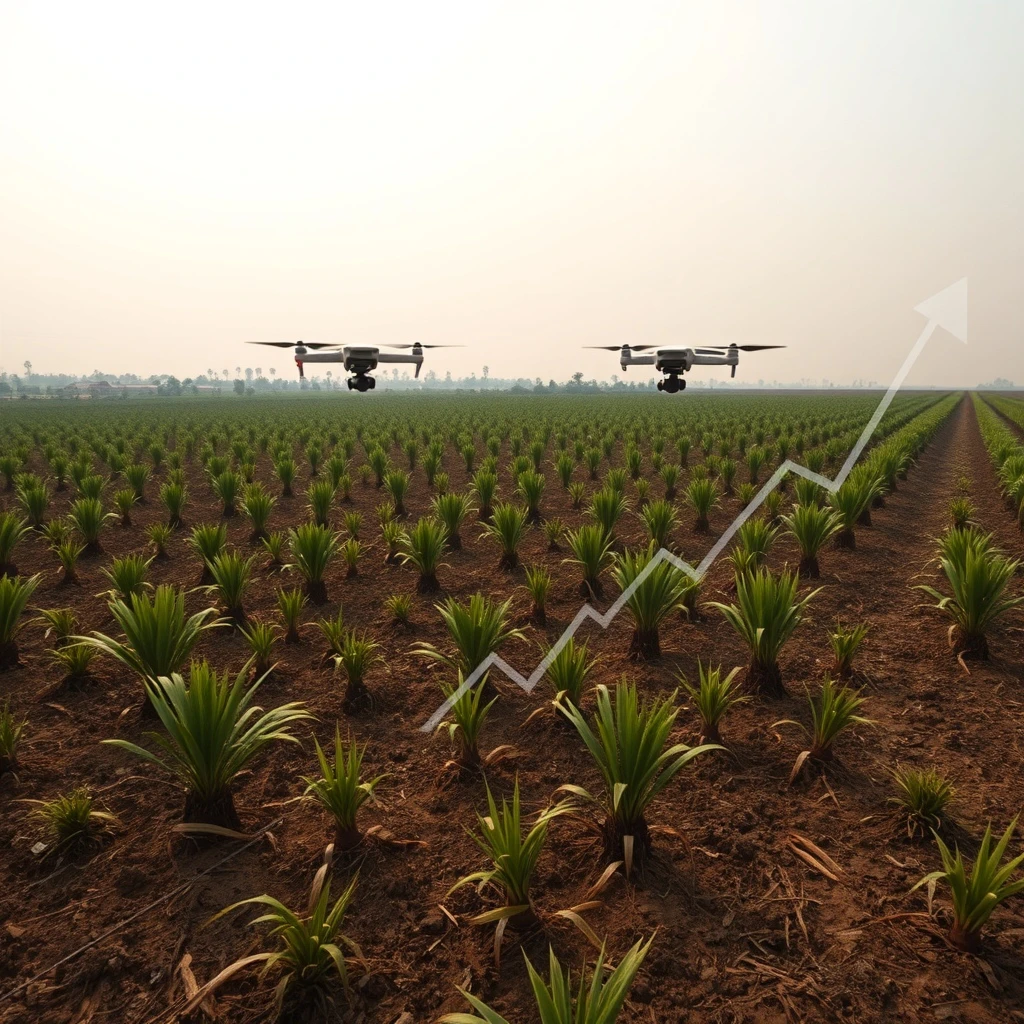
Malaysian crude palm oil (CPO) futures are trading around $1,102 per metric ton (RM4,510/MT), little changed from the previous session. The market remains in a tight holding pattern ahead of the MPOB July supply-and-demand report, which our model outlook suggests could reveal an El Niño-driven inventory inflection. The World Bank benchmark is at $1,101/MT, while Indonesia’s reference price stands at $1,030/MT. Brent crude softened 0.4% to $84/bbl, and the ringgit held at 4.09 to the dollar.
An imminent inventory drawdown. The upcoming MPOB July report is the focal point. Our model preview indicates that El Niño’s lagged impact is starting to bite, with early signals pointing to lower production and a possible draw in Malaysian stocks. With market participants already leaning bullish, even a modest decline in inventories could trigger a breakout.
El Niño intensifies supply fears. The Oceanic Niño Index (ONI) has climbed to +1.4, confirming a strong El Niño event. Historically, such conditions reduce rainfall in key growing regions—Sarawak and Kalimantan are already notably dry—and suppress fresh fruit bunch yields after a lag of 6–9 months. This forward-looking supply tightness is providing a persistent tailwind for prices.
Indonesia’s B50 mandate absorbs feedstocks. State-owned Pertamina has begun nationwide distribution of B50 biodiesel, significantly increasing domestic palm oil consumption. As the world’s largest producer, this pull of feedstock into the local fuel market reduces the volume available for export, tightening global supply.
Palm’s discount to soyoil widens. With palm oil trading at a $479/MT discount to soybean oil, the BOPO spread remains exceptionally wide. This price advantage is steering price-sensitive buyers—particularly in India—toward palm, elevating physical demand.
Indian import substitution gains momentum. Disruptions in Black Sea sunflower oil shipments are prompting Indian refiners to switch to palm. Although June imports were subdued, purchasing activity is now recovering, offering a fresh demand channel that should help absorb regional production.
Brent crude weakness saps biodiesel economics. A 5.5% slump in Brent crude over the past seven days has narrowed the diesel-to-palm-oil (POGO) spread, eroding the blending incentive for palm-based biodiesel. With industrial demand sensitive to this margin, the sell-off in crude acts as a direct headwind for CPO.
Managed money reduces exposure. Speculative net long positions in CPO, while still elevated, have been trending lower. This reduction in bullish bets leaves the market vulnerable to further liquidation if a bearish catalyst—such as a negative MPOB surprise or deeper crude losses—materializes.
A weaker rupiah encourages Indonesian exports. The Indonesian rupiah’s depreciation makes the country’s palm oil more competitively priced on the world market, incentivizing exporters to ship more. This adds to regional supply pressure, though the impact is partially dampened by the domestic B50 mandate that ties up stocks.
China’s import appetite fades. The world’s top vegetable oil importer saw a decline in total inflows during the first half of the year. A sustained pullback in Chinese buying removes a crucial pillar of global demand, setting a softer tone for the near-term outlook.
With five bullish factors squaring off against four bearish ones, the upside currently holds the upper hand. The near-term direction hinges almost entirely on the MPOB report. A stock draw—and especially one larger than the cautious consensus—would likely amplify the bullish narrative, overpowering headwinds from energy markets and fund positioning. Conversely, if the report confounds expectations by showing a build, the balance would immediately tilt bearish as speculative longs bail out and the focus shifts back to sluggish Chinese demand and cheap Indonesian exports. For now, the weight of El Niño supply risks and policy-driven demand keeps buyers in control.
Malaysian CPO holds at $1,102/MT; India's buying hits 10-month peak, but July MPOB data shows rising stocks and Indonesia sets a lower August reference price.
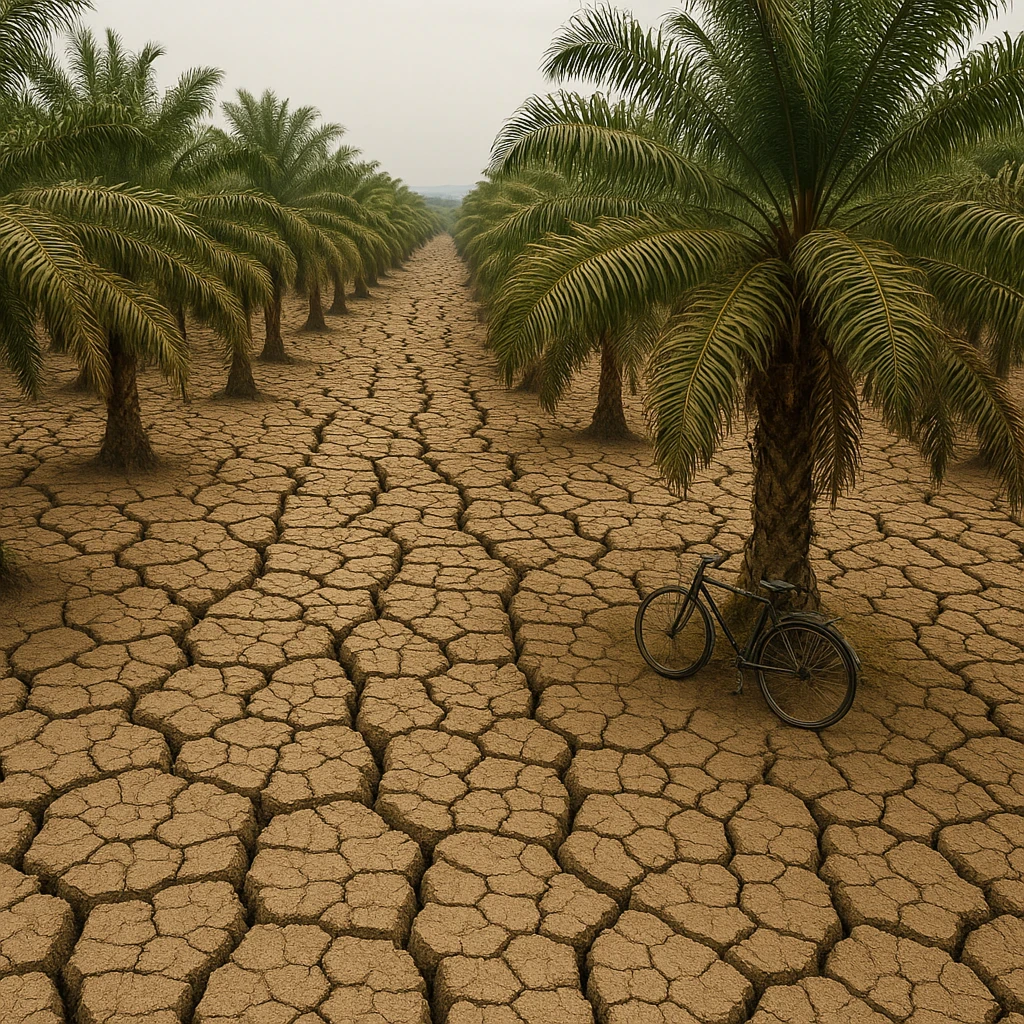
Malaysian crude palm oil futures were little changed, with the benchmark hovering near $1,102 per metric ton, down 0.2% from the prior session. The ringgit traded at 4.09 per dollar, while the Indonesian reference price for August was set at $996.52 per ton, below the previous month's level. Global benchmarks, as tracked by the World Bank, were near $1,101/MT, keeping the market tightly ranged.
The latest MPOB data for July showed Malaysian CPO production at 1,792,979 tons, up 9.4% month-on-month, while closing stocks rose 7.2% to 1,429,316 tons. Exports climbed 14.5% to 1,392,178 tons, and imports fell sharply by 51.9% to 49,566 tons. The FFB reference price edged up 1.2% to RM 49.50.
Despite the near-term stock build, the market is increasingly focused on the strengthening El Niño, with the ONI index at +1.4. Dry conditions in Sarawak and Kalimantan are raising concerns about future yields. Market previews of the upcoming MPOB report highlight a rising probability of a strong El Niño, and traders are watching for a potential 'inventory inflection point' that could shift the balance from surplus to deficit. Our model outlook suggests that while the anchor price of $1,102/MT is already three days stale, the anticipation of such an inflection may lend some support.
Demand-side news remains supportive. India's July edible oil imports hit a 10-month peak, driven by higher palm oil buying, as the world's largest vegetable oil importer accelerates purchases ahead of festivals. This bolsters the demand picture even as global food prices have risen to their highest level since 2023, with edible oils a notable contributor.
Indonesia, Malaysia, and Thailand have all raised their biodiesel mandates for 2026, with Indonesia's B50 rollout now nationwide via Pertamina. This policy-driven demand is a key pillar under prices, even as Brent crude held at $85 per barrel, up 0.7%, which limits the fuel-blending incentive. The wide BOPO spread remains a medium-term bullish factor, though the rupiah's weakness at 17,817 per dollar spurs Indonesian selling.
Our model outlook sees near-term pressure from bearish fundamentals: July MPOB data showed rising stocks, peak production season is ongoing, and technicals are turning bearish. The market is likely to edge lower over the next 7 days, with positioning ahead of the next MPOB release. However, El Niño supply concerns and biodiesel demand provide a floor.
Indonesia's August reference price of $996.52 per ton acts as a policy anchor, potentially influencing export levies and competitiveness. Malaysian Palm Oil Council guidance suggests CPO prices will stay within the RM 4,400–4,650 range for August, which aligns with current levels.
Watch the MPOB report for inventory inflection, and monitor El Niño developments in Sarawak and Kalimantan. Also keep an eye on India's import pace, biodiesel policy implementation, and crude oil price moves, as they will determine whether the current modest range holds or breaks.
Sources: 富途牛牛; AgroSpectrum India; energynews.pro; ANI News; Business Recorder; UkrAgroConsult
Indonesia, Malaysia and Thailand raise 2026 biodiesel mandates; B50 rollout and El Niño tighten supply.
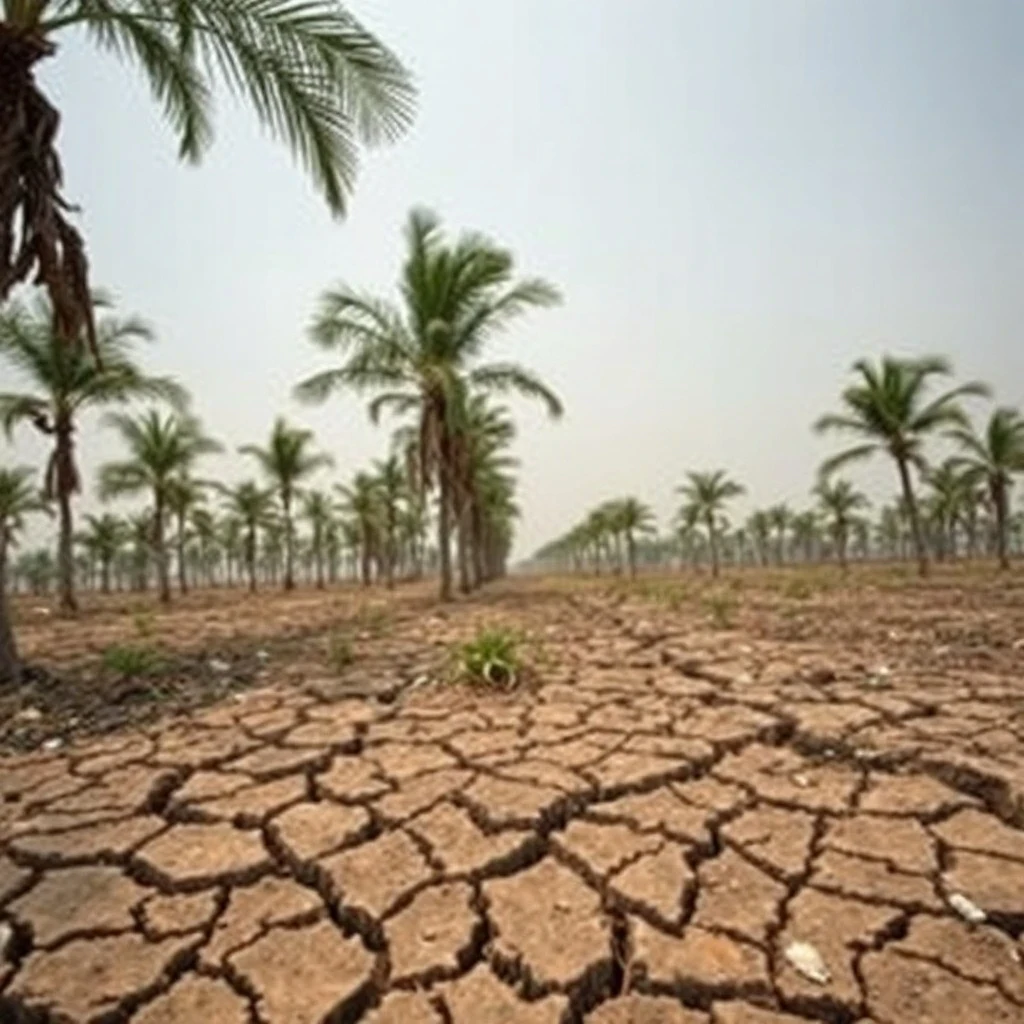
Southeast Asian policymakers are tightening biodiesel mandates through 2026, a move that is reshaping the demand side of the palm oil market. Indonesia, Malaysia and Thailand have all announced higher blending requirements, with Indonesia's state energy firm Pertamina launching nationwide distribution of B50 biodiesel. The policy push comes at a time when palm oil supply is already under pressure from a strengthening El Niño, which has brought dry conditions to key growing regions in Sarawak and Kalimantan.
The higher mandates, particularly Indonesia's B50, are expected to absorb a larger share of domestic palm oil supply, reducing the volume available for export. Industry observers note that broad-based edible oil price rises have been linked to biofuel use, with India's central bank citing Indonesia's B50 mandate as a contributing factor. For compliance-minded buyers, this means tighter availability of Indonesian palm oil on the global market and potentially higher premiums for certified sustainable volumes.
Malaysia's higher blend targets add to the regional demand picture, though its export-oriented industry may balance domestic use with overseas sales. Thailand's mandate increase, while smaller in absolute terms, signals a regional trend toward greater palm oil consumption in energy markets.
On the supply side, the latest MPOB data for June 2026 shows Malaysian crude palm oil production at 1,638,777 tonnes, up 8.1% month-on-month, while closing stocks rose to 1,332,697 tonnes. Exports increased 7.2% to 1,215,850 tonnes, and imports surged 135.3% to 103,113 tonnes, reflecting the need to supplement domestic supply. However, the El Niño-driven dry weather in key growing areas raises concerns about future production, particularly as the current peak season may be followed by a sharper-than-usual decline in output.
Our model outlook suggests that the current benchmark price of about $1102 per tonne, which is three days stale, may have already edged up slightly. With anticipation of a bullish MPOB July report and supportive biodiesel-oil price spreads, prices could continue modest gains over the next seven days, potentially rising about 1% from the anchor. However, upside is capped by peak production season, a sharp decline in Brent crude prices, and vulnerability to long liquidation. Low confidence is warranted given missing data and stale prices.
For buyers, the combination of higher biodiesel mandates and weather-related supply risks points to a firmer price environment. Compliance with sustainability criteria may become more important as competition for available volumes intensifies.
Sources: energynews.pro; Biofuels International Magazine
Dry conditions persist across key belts while heavy rain hits logistics; output outlook mixed
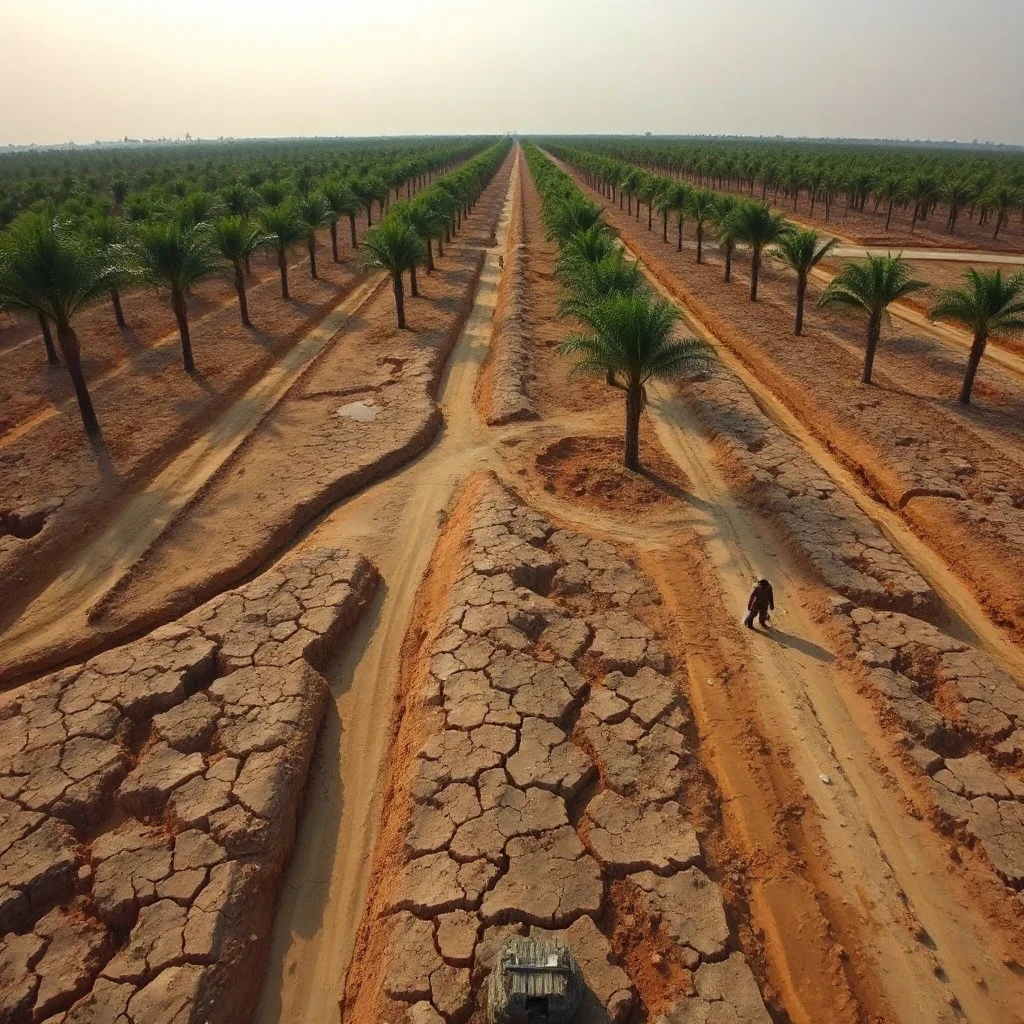
The palm oil market enters the week with the ENSO state firmly in El Niño territory, the Oceanic Niño Index at +1.4. That signal matters less for today's harvest than for what it implies about fruit development over the coming months, but the immediate weather picture is already complicated by a split across the two main producing countries.
In Malaysia, Sarawak stands out as notably dry, a condition that typically trims fruit bunch weight with a lag of six to twelve months. Growers there may be dealing with smaller bunches well into the next crop cycle even if rains return soon. The same applies to Kalimantan in Indonesia, where dry soils during the current El Niño phase can suppress flowering and fruit set for the mid-2027 crop.
At the same time, heavy recent rainfall across parts of the region is not a straightforward positive. Wet weather disrupts harvesting and transport now, slowing the flow of fresh fruit bunches to mills and adding to logistical friction at a time when peak production season is already testing infrastructure. The net effect is a market that must weigh the prospect of weaker future yields against immediate supply chain delays.
Malaysian official data for June showed CPO production at 1,638,777 tonnes, up 8.1% month-on-month, with closing stocks at 1,332,697 tonnes, a 3.7% rise. Exports climbed 7.2% to 1,215,850 tonnes, while imports surged 135.3% to 103,113 tonnes, a sign that local supply is being supplemented from abroad. The FFB reference price eased 1.3% to RM 48.90.
Those figures reflect conditions before the latest weather stress fully materialized. The July report, due soon, is expected by many participants to be bullish, which has helped underpin prices at the benchmark level of about $1102 per tonne, down just 0.2% on the session.
Our model outlook, anchored on that $1102 price, is now three days stale. Given the strengthening El Niño, recent heavy rains, anticipation of a supportive July MPOB report, and a favorable biodiesel blend spread, CPO likely edged up slightly since the anchor and may continue modest gains over the next week. We see a gradual uptrend of about 1% from the anchor as the base case.
That optimism is tempered by real constraints. Peak production season means supply is still rising, a sharp decline in Brent crude to around $84 per barrel weakens biodiesel demand economics, and the market remains vulnerable to long liquidation. Confidence in the near-term path is low, largely due to missing data and the stale price anchor.
For the broader crop outlook, the key variable is whether El Niño fades quickly or persists. A transition toward La Niña would typically bring wetter conditions to Southeast Asia, easing drought stress in Sarawak and Kalimantan but raising the risk of excessive rain and flooding in the months ahead. For now, the region is caught between dry soils that will curb future yields and wet weather that is slowing today's harvest.
MPOB data shows production rose 9.4% on-month, pushing inventories 7.2% higher despite a 14.5% export rebound. FFB prices edged up, but near-term CPO outlook remains pressured.
Malaysia’s crude palm oil production jumped 9.4% month-on-month to 1,792,979 tonnes in July 2026, according to MPOB’s latest data. The increase reflects the seasonal peak and available harvesting labour, although El Niño conditions—with an ONI of +1.4 and dryness in Sarawak and Kalimantan—could temper output in coming months. Closing stocks rose 7.2% to 1,429,316 tonnes, pushing the stocks-to-use ratio to 12.5%. This build signals a well-supplied market and adds to bearish sentiment, as it exceeded some industry estimates.
Exports climbed 14.5% on-month to 1,392,178 tonnes, a solid rebound likely tied to restocking by key buyers ahead of festivals and competitive Malaysian pricing relative to Indonesia’s reference of $1,030/MT. However, imports plunged 51.9% to just 49,566 tonnes, suggesting weak domestic uptake for foreign oils or ample local supply. The net trade balance improved, but the stock increase underscores that overseas demand was not strong enough to absorb the production surge fully.
Fresh fruit bunch reference prices rose 1.2% to RM 49.50 per tonne, offering marginal relief to growers despite a slightly softer CPO benchmark at RM 4,511/MT (about $1,102/MT). This divergence may reflect localised processing margins or quality differentials. For plantation operators, the modest uptick helps buffer against rising input costs, but the broader price trend remains cautious.
The July MPOB figures present a bearish near-term picture. The combination of a production-led stock build, a 0.4% drop in Brent crude, and tepid buying interest from Asia’s largest importers outweighs the supportive factors such as the wide BOPO spread and El Niño jitters. Our model outlook points to downward pressure on CPO prices, with the benchmark RM 4,511/MT potentially testing lower levels. However, uncertainty is high: the upcoming MPOB release in about three days and further energy market moves will be decisive in setting the short-term trajectory.
How process contaminants arise in refined palm oil, what mitigation can and cannot do, and where the science remains unsettled.

Refined palm oil has faced persistent scrutiny over two process contaminants: 3-monochloropropane-1,2-diol (3-MCPD) esters and glycidyl esters. These compounds form during high-temperature deodorization, a standard step in physical refining. The chemistry is well established: glycidyl esters arise mainly from diglycerides reacting at extreme heat, while 3-MCPD esters form through a more complex pathway involving chlorinated precursors. What is less certain is the precise impact of every variable, and how far mitigation can go without compromising oil quality.
Researchers agree that the formation of both contaminants is driven by temperature and time. Deodorization above roughly 230°C for extended periods increases glycidyl ester levels sharply. 3-MCPD esters also rise with heat, but their formation is influenced by the presence of chlorine-containing compounds, which may come from the soil, fertilizers, or processing aids. The type of refining matters: physical refining, common for palm oil due to its high free fatty acid content, is more prone to generating these contaminants than chemical refining, which uses alkali neutralization and operates at lower deodorization temperatures.
Mitigation techniques have advanced significantly. The most effective approach is to remove precursors before deodorization. Washing crude or degummed oil with water or acid, using adsorbents like bleaching earth, and adding certain additives during refining can reduce precursor levels. Adjusting deodorization conditions—lowering temperature, shortening time, or using a different stripping medium—also lowers formation. Post-treatment, such as passing the oil through a short-path distillation or using enzymatic degumming, can further reduce glycidyl esters. These methods are now widely deployed in commercial refining, and their efficacy is generally accepted.
Despite progress, several questions are unresolved. The relative contribution of different chlorine sources is not fully quantified. Some studies suggest that naturally occurring chlorinated compounds in the palm fruit are the main driver, while others point to external contamination. The effectiveness of specific additives, such as certain bleaching earths or synthetic adsorbents, varies by feedstock and processing conditions, and results are not always reproducible across mills. There is also debate over whether mitigation steps that reduce one contaminant might increase the other. Some evidence indicates that certain treatments lower glycidyl esters but have little effect on 3-MCPD esters, or vice versa. The industry has claimed that optimized refining can bring levels below regulatory limits, but the evidence base for universal applicability is thin. What works in one refinery may not work in another due to differences in crude oil quality, equipment, and process design.
For producers, the key takeaway is that contamination is manageable but not eliminable. Refiners should focus on precursor removal early in the process, monitor chlorine content in incoming crude oil, and consider investing in equipment that allows lower-temperature deodorization. Buyers should recognize that while mitigation has improved, residual levels can still vary. Regulatory limits are tightening, and compliance requires consistent testing and process control. The science is still evolving, and claims of complete elimination should be treated with caution. A pragmatic approach is to treat mitigation as a continuous improvement effort, not a one-time fix, and to stay alert to new evidence as it emerges. ---
*This article reflects the position as of 10 August 2026. Research moves on, and later work may revise or supersede what is described here. Please verify the current position, and any changes made after this date, before relying on it.*
Our market desk connects serious buyers with vetted origin suppliers across Southeast Asia. Indicative pricing, specifications and shipment guidance — free of charge.
Get connected →Malaysian CPO holds at $1,102/MT; India's buying hits 10-month peak, but July MPOB data shows rising stocks and Indonesia sets a lower August reference price.
Full story — Page 2 ▸Indonesia, Malaysia and Thailand raise 2026 biodiesel mandates; B50 rollout and El Niño tighten supply.
Full story — Page 2 ▸Dry conditions persist across key belts while heavy rain hits logistics; output outlook mixed
Full story — Page 2 ▸MPOB data shows production rose 9.4% on-month, pushing inventories 7.2% higher despite a 14.5% export rebound. FFB prices edged up, but near-term CPO outlook remains pressured.
Full story — Page 2 ▸How process contaminants arise in refined palm oil, what mitigation can and cannot do, and where the science remains unsettled.
Full story — Page 2 ▸The Malaysian benchmark holds near $1,102/MT ahead of a key supply report, with a bullish inventory inflection expected to test the bearish pressure from crude oil and China.
Malaysian crude palm oil (CPO) futures are trading around $1,102 per metric ton (RM4,510/MT), little changed from the previous session. The market remains in a tight holding pattern ahead of the MPOB July supply-and-demand report, which our model outlook suggests could reveal an El Niño-driven inventory inflection. The World Bank benchmark is at $1,101/MT, while Indonesia’s reference price stands at $1,030/MT. Brent crude softened 0.4% to $84/bbl, and the ringgit held at 4.09 to the dollar.
An imminent inventory drawdown. The upcoming MPOB July report is the focal point. Our model preview indicates that El Niño’s lagged impact is starting to bite, with early signals pointing to lower production and a possible draw in Malaysian stocks. With market participants already leaning bullish, even a modest decline in inventories could trigger a breakout.
El Niño intensifies supply fears. The Oceanic Niño Index (ONI) has climbed to +1.4, confirming a strong El Niño event. Historically, such conditions reduce rainfall in key growing regions—Sarawak and Kalimantan are already notably dry—and suppress fresh fruit bunch yields after a lag of 6–9 months. This forward-looking supply tightness is providing a persistent tailwind for prices.
Indonesia’s B50 mandate absorbs feedstocks. State-owned Pertamina has begun nationwide distribution of B50 biodiesel, significantly increasing domestic palm oil consumption. As the world’s largest producer, this pull of feedstock into the local fuel market reduces the volume available for export, tightening global supply.
Palm’s discount to soyoil widens. With palm oil trading at a $479/MT discount to soybean oil, the BOPO spread remains exceptionally wide. This price advantage is steering price-sensitive buyers—particularly in India—toward palm, elevating physical demand.
Indian import substitution gains momentum. Disruptions in Black Sea sunflower oil shipments are prompting Indian refiners to switch to palm. Although June imports were subdued, purchasing activity is now recovering, offering a fresh demand channel that should help absorb regional production.
Brent crude weakness saps biodiesel economics. A 5.5% slump in Brent crude over the past seven days has narrowed the diesel-to-palm-oil (POGO) spread, eroding the blending incentive for palm-based biodiesel. With industrial demand sensitive to this margin, the sell-off in crude acts as a direct headwind for CPO.
Managed money reduces exposure. Speculative net long positions in CPO, while still elevated, have been trending lower. This reduction in bullish bets leaves the market vulnerable to further liquidation if a bearish catalyst—such as a negative MPOB surprise or deeper crude losses—materializes.
A weaker rupiah encourages Indonesian exports. The Indonesian rupiah’s depreciation makes the country’s palm oil more competitively priced on the world market, incentivizing exporters to ship more. This adds to regional supply pressure, though the impact is partially dampened by the domestic B50 mandate that ties up stocks.
China’s import appetite fades. The world’s top vegetable oil importer saw a decline in total inflows during the first half of the year. A sustained pullback in Chinese buying removes a crucial pillar of global demand, setting a softer tone for the near-term outlook.
With five bullish factors squaring off against four bearish ones, the upside currently holds the upper hand. The near-term direction hinges almost entirely on the MPOB report. A stock draw—and especially one larger than the cautious consensus—would likely amplify the bullish narrative, overpowering headwinds from energy markets and fund positioning. Conversely, if the report confounds expectations by showing a build, the balance would immediately tilt bearish as speculative longs bail out and the focus shifts back to sluggish Chinese demand and cheap Indonesian exports. For now, the weight of El Niño supply risks and policy-driven demand keeps buyers in control.
A wave of bearish signals—weak crude, peak output and positioning ahead of MPOB data—drags Malaysian CPO lower, even as a wide BOPO discount and Indonesian B50 support the market.
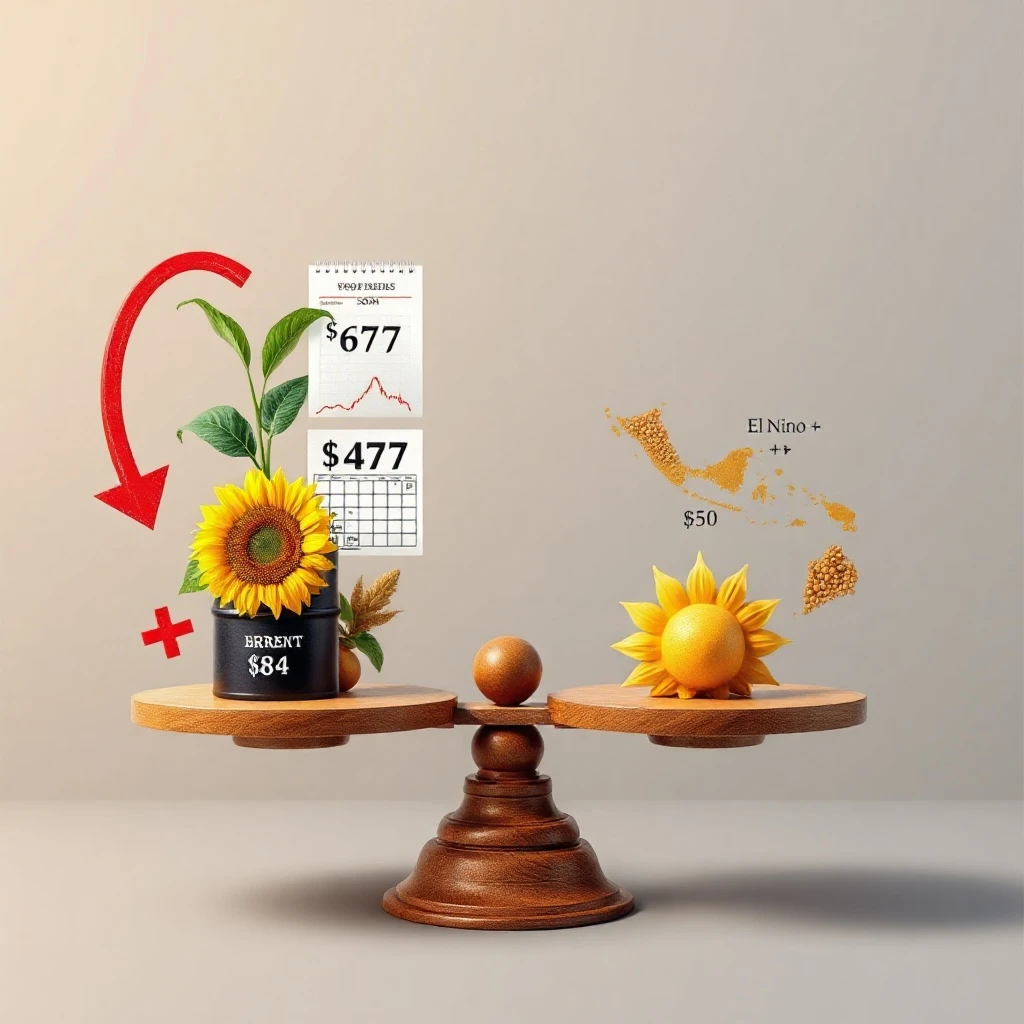
Malaysian CPO futures slipped 0.3% to about $1,104 per tonne (RM 4,515) on Wednesday, extending a cautious tone as the market braces for a seasonal stock build and contends with softening crude oil. The modest move belies a deeper tug-of-war between six bearish catalysts and four bullish anchors, leaving the near‑term balance tilted to the downside.
The most conspicuous prop is the yawning soy‑palm spread, which at $477 per tonne makes palm oil exceptionally cheap against soybean oil. This discount lures price‑sensitive buyers—particularly in India—to switch demand toward palm, underpinning physical offtake.
Indonesia’s B50 launch is another structural floor. Pertamina began nationwide distribution of the 50 % biodiesel blend on July 27, locking in a mandated offtake of millions of tonnes of palm oil that would otherwise compete for export. By diverting feedstock into domestic tanks, B50 shrinks the exportable surplus and supports global prices.
El Niño anticipation continues to inject a risk premium. The Oceanic Niño Index sits at +1.4 °C—strong El Niño territory—and historically such events cut fresh fruit bunch yields 6–12 months later. Traders are front‑running that supply anxiety, even though physical conditions have yet to tighten materially.
A fresh demand tailwind comes from sunflower‑oil disruptions. India is actively scouting for alternatives after Black Sea supply routes were hit in late July, and palm—already deeply discounted—stands to capture the redirected orders.
The most immediate headwind is positioning ahead of the July MPOB report, due in four days. June closing stocks of 1.33 million tonnes and a stocks‑to‑use ratio of 13 % already point to comfortable supply, and expectations are for a further seasonal build. Traders are lightening positions to avoid being caught long into a bearish print.
Brent crude’s 7.3 % slide over the past seven days has gutted biodiesel blending economics. At around $84 a barrel, crude is now so cheap that discretionary biodiesel demand evaporates, weakening the industrial‑use case for palm oil and dragging futures lower.
Indian demand is buckling. Edible oil imports collapsed 30 % in June, the steepest drop this year, signalling that high prices and a strong rupee are curbing appetite in the world’s top buyer. Less ship‑borne palm oil means more stocks piling up in producing countries.
In the futures market, managed‑money liquidation is spreading from soy oil to the broader vegetable‑oil complex. The CFTC’s latest data show money managers slashed their soy‑oil net long by 29,000 contracts—a historically aggressive pull‑back that spills over into palm via correlation trades.
Technicals reinforce the negative bias. The five‑day moving average has crossed below the 20‑day, forming a “death cross” that triggers momentum selling, even though the RSI remains in neutral territory.
Finally, the seasonal clock is against bulls. Peak production season running from July through October reliably floods the market with new supply, and this year’s strong output recovery—June production jumped 8.1 % month‑on‑month—suggests the wave has room to run.
With six bearish factors against four bullish, the downside currently holds the upper hand. Our model’s near‑term outlook reflects this: “slightly bearish amid peak production season and weak crude oil, but wide BOPO spread and El Niño anticipation provide support.” The next MPOB report is the immediate binary risk that could either anchor or upend this view.
To shift the balance from bearish to bullish, either the demand side or the supply narrative would need to turn dramatically. A sustained rebound in Brent above $90 would revive biodiesel economics. A surprise dip in Malaysian stocks below 1.3 million tonnes would puncture the stock‑build story. Accelerating El Niño—say, an ONI climbing toward +1.6 °C—could intensify yield‑impact fears. Alternatively, if soy‑oil prices spike on a US weather scare, the BOPO spread could widen beyond $500, forcing more demand toward palm. Until then, sellers remain in charge.
CPO consolidates ahead of MPOB July data; Indonesia's $996.52/MT reference and MPOC's RM4,400-4,650 band frame trade.

Malaysian crude palm oil futures settled around $1,104/MT (RM 4,515) on 2026-08-09, down 0.3% from the prior session, as the market consolidates ahead of the July MPOB supply-demand report. The global benchmark hovered near $1,101/MT, while Indonesia's August reference price has been set at $996.52/MT, a level that traders see as a key policy anchor for export levies and domestic pricing. The Malaysian Palm Oil Council has pegged CPO prices in a RM 4,400–4,650 range for August, a band that aligns closely with current futures and provides a near-term trading framework.
MPOB's June data showed Malaysian CPO production at 1,638,777 tonnes, up 8.1% month-on-month, while closing stocks rose 3.7% to 1,332,697 tonnes. Exports climbed 7.3% to 1,216,871 tonnes, but imports surged 135.3% to 103,113 tonnes, reflecting active arbitrage flows. The FFB reference price slipped 1.3% to RM 48.90. Our model outlook sees the market balancing these bearish stock dynamics against weather-related supply risks.
Weather remains a key watchpoint: El Niño conditions (ONI +1.4) have brought dry spells to Sarawak and Kalimantan, raising concerns about future production. Headlines highlight a surging probability of a strong El Niño, with analysts questioning how far off the long-awaited inventory inflection point may be. Any sustained dryness could tighten supplies later in the year.
On the demand side, Indonesia, Malaysia, and Thailand have all raised biodiesel mandates in 2026, with Indonesia's B50 program now in nationwide distribution via Pertamina. This policy-driven demand is a structural bullish factor, though crude oil's flat performance near $84/bbl offers little extra support for biodiesel economics. India's vegetable oil imports surged 13% as palm oil demand accelerates, with edible oil imports expected to climb further ahead of festivals. Strong export outlooks from several sources underpinned prices despite weaker soybean and crude oil markets.
CPO futures have been buffeted by profit-taking and softer soyoil, but remain on track for weekly gains. The Malaysian Palm Oil Council's RM 4,400–4,650 range for August, combined with Indonesia's $996.52/MT reference price, effectively sets the trading band until the MPOB July report provides fresh fundamental clarity. Our model sees range-bound trade within $1,090–$1,120, with a slight bullish tilt from B50 demand and Indian alternative sourcing. The wide BOPO spread provides a floor, while peak production and weak crude oil limit upside.
Watch the upcoming MPOB July report for confirmation of stock builds and production trends, and monitor El Niño developments in Sarawak and Kalimantan—any deterioration could shift the balance quickly. Also track biodiesel policy implementation and crude oil moves, as they will influence the palm oil complex's direction in the near term. The August reference price and MPOC's range offer clear markers for assessing market moves against official expectations.
Sources: 富途牛牛; Bernama; AgroSpectrum India; energynews.pro; ANI News; Business Recorder
Indonesia, Malaysia and Thailand raise 2026 biodiesel mandates, underpinning palm demand amid peak supply.

Palm oil benchmarks are treading water this week, with the Malaysian crude palm oil contract hovering near $1104 per tonne, down 0.3% on the session. The global World Bank benchmark sits at about $1101, while Indonesia's reference price is around $1030. The flat Brent crude at $84 a barrel keeps biodiesel blending economics in focus, as policy shifts across Southeast Asia point to firmer structural demand for palm-based fuel.
Indonesia, Malaysia and Thailand have all raised their biodiesel mandates for 2026, according to industry reports. Indonesia's state energy firm Pertamina has launched nationwide distribution of B50 — a 50% palm-oil blend — a step that could absorb significant volumes of domestic supply and tighten export availability. Malaysia and Thailand are following with higher blends of their own, albeit at lower percentages.
For compliance-minded buyers, the takeaway is that policy-driven demand is becoming a more durable pillar of the palm market. Unlike discretionary food or oleochemical purchases, biodiesel mandates are legally binding, giving refiners and traders a clearer floor on consumption. That is especially relevant as Indonesia's reference price trails the global benchmark, suggesting domestic policy is actively supporting local crushing and blending margins.
The bullish policy narrative is running into near-term supply pressure. Malaysia's June MPOB data showed crude palm oil production at 1,638,777 tonnes, up 8.1% month-on-month, while closing stocks rose 3.7% to 1,332,697 tonnes. Exports climbed 7.3% to 1,216,871 tonnes, but imports surged 135.3% to 103,113 tonnes, reflecting a market that is still absorbing seasonal output.
Weather remains a wildcard. The El Niño event (ONI +1.4) has left parts of Sarawak and Kalimantan dry, which could curb yields later in the year. Our model outlook sees the market in consolidation ahead of the July MPOB report, balancing bearish near-term fundamentals — peak production and stock builds — against bullish forward drivers like El Niño, a wide biodiesel-vs-gas oil spread and the B50 rollout.
For now, expect range-bound trade with a slight downward tilt until the market gets clearer signals on both supply and mandate compliance. Buyers with fixed-price exposure may want to watch for dips, while those with forward coverage can afford to wait for the report.
Sources: energynews.pro; Biofuels International Magazine; livemint.com; livemint.com; Business Standard
A plain-language look at the tocotrienol research landscape, separating established findings from contested claims.

Red palm oil's distinctive color comes from carotenoids, but its vitamin E fraction is what draws research attention. Unlike the more common tocopherols, palm oil is rich in tocotrienols—a related but distinct form of vitamin E. Both are fat-soluble antioxidants, but tocotrienols have a different molecular structure that some studies suggest gives them unique biological activity.
The basic chemistry is well established. Tocotrienols are present in significant amounts in red palm oil, alongside tocopherols. Research has consistently shown they act as antioxidants, protecting fats from oxidation. This has practical implications for shelf life and stability of palm oil products.
Beyond antioxidant activity, a body of preclinical research—mostly in cell cultures and animal models—has explored tocotrienols for effects on cholesterol, brain health, and skin. Some findings have been promising, particularly around certain enzymes involved in cholesterol synthesis. However, these results do not automatically translate to human health outcomes.
Human clinical data are more limited. Some small trials have reported modest effects on lipid profiles, while others have found no significant difference. The variability likely stems from differences in dosage, duration, and study design. As a result, the scientific community has not reached consensus on whether tocotrienols meaningfully improve cardiovascular or cognitive health in humans.
Industry marketing often goes further than the research. Claims that tocotrienols prevent or treat specific diseases are not supported by the current evidence base. The FDA and similar regulators have not approved such claims, and most published reviews call for larger, longer-term human studies.
For producers and refiners, the takeaway is to treat tocotrienol content as a quality marker, not a health panacea. Maintaining tocotrienol levels through gentle processing is worthwhile, as these compounds contribute to oil stability and may offer genuine nutritional value. But overstating health benefits in labeling or marketing risks regulatory scrutiny and erodes buyer trust.
Buyers should view tocotrienol-rich red palm oil as a premium product with a plausible, but not proven, health profile. When evaluating suppliers, ask for batch-level tocotrienol analysis rather than relying on generic claims. The research is still evolving; staying informed and honest about the evidence will serve the industry better than repeating unsupported assertions. ---
*This article reflects the position as of 9 August 2026. Research moves on, and later work may revise or supersede what is described here. Please verify the current position, and any changes made after this date, before relying on it.*
A neutral comparison of certified sustainable and conventional palm oil across premiums, availability, and practical sourcing factors.
Palm oil is the most widely used vegetable oil globally, prized for its versatility and high yield. Two distinct supply streams now serve the market: conventional palm oil and palm oil certified under the Roundtable on Sustainable Palm Oil (RSPO). The RSPO standard was developed to address environmental and social concerns, including deforestation and labor practices. This analysis compares the two on price, availability, and functional properties, and offers practical guidance for buyers.
RSPO-certified palm oil typically commands a price premium over conventional palm oil. The premium varies by market and certification model—segregated, mass balance, or book-and-claim—with segregated certified oil generally carrying the highest premium. Conventional palm oil, by contrast, trades at the global benchmark price with no additional certification cost. The premium reflects the cost of compliance, auditing, and supply chain segregation. For many buyers, the premium is a key factor in sourcing decisions, especially in price-sensitive markets.
Conventional palm oil is abundant and flows through well-established global supply chains. RSPO-certified supply has grown significantly but still represents a fraction of total production. Certified volumes are concentrated in Southeast Asia, with smaller volumes from other regions. Availability of certified oil can be inconsistent, particularly for segregated supply, which requires dedicated infrastructure. Buyers may face limited options for certified oil in certain regions or for specific product forms, such as refined oils or fractions.
Both certified and conventional palm oil come from the same crop and have similar yield characteristics. Certification does not inherently change agronomic yield; it imposes management practices that may slightly increase operational costs. These costs are typically passed through the supply chain. For large buyers, the premium may be manageable, but for smaller purchasers, the additional cost can be prohibitive. Certification also requires administrative effort, which can be a barrier for smallholders.
In terms of physical and chemical properties, RSPO-certified and conventional palm oil are essentially identical. Both provide the same functionality in food, cosmetics, and oleochemicals. The certification does not alter the oil's composition, melting point, or shelf life. This means that switching to certified oil requires no formulation changes. The main difference lies in the supply chain and documentation, not in the product itself. For applications where sustainability is a priority, certified oil offers a way to meet corporate commitments without compromising performance.
Conventional palm oil is the default choice for many buyers due to its lower cost and reliable supply. RSPO-certified oil is positioned for buyers with sustainability commitments, such as multinational food companies and retailers. The market is evolving, with increasing demand for certified oil, but price and availability remain constraints. Some buyers use a mix of both, purchasing certified oil for flagship products and conventional oil for others.
For buyers, the choice depends on priorities. If cost is the primary concern and supply security is critical, conventional palm oil is the practical option. If corporate sustainability goals require certified sourcing, RSPO-certified oil is appropriate, especially in markets where consumers or regulators demand it. Buyers should assess the premium against their budget and the availability of certified supply in their region. A phased approach—starting with mass balance or book-and-claim—can be a cost-effective way to support certified production while managing costs. Ultimately, both streams serve distinct needs, and the decision should align with the buyer's strategic objectives.
How archaeological finds of palm oil in Egyptian tombs illuminate ancient trade and the industry's deep roots.

The story of palm oil begins long before modern plantations and refineries. Among the most intriguing chapters is its presence in ancient Egypt, where tomb evidence suggests the oil was valued enough to accompany the dead into the afterlife. These finds are not just curiosities; they offer a window into the earliest chapters of the trade that now spans the globe.
Archaeologists have recovered residues of what is believed to be palm oil from a number of Egyptian tombs, particularly from the predynastic and early dynastic periods, roughly 5,000 to 6,000 years ago. The evidence is indirect—traces of fatty acids and plant remains in jars and vessels—but it is consistent with the use of palm oil as an unguent or ritual offering. The exact species of palm is not always clear, though the date palm and the oil palm are both candidates. The finds are scattered, and the interpretation is often debated, but the pattern is striking: palm oil appears to have been a commodity of some significance in a society that left few written records of its trade.
The presence of palm oil in Egypt raises a key question: where did it come from? The oil palm is native to West Africa, while the date palm is more common in the Middle East and North Africa. If the oil was from the oil palm, it would have had to travel a long way—overland across the Sahara or by sea along the Red Sea coast. Some scholars suggest that early trade routes connected the Nile Valley with sub-Saharan Africa, exchanging goods such as gold, ivory, and possibly palm oil. Others argue that the oil could have come from the date palm, which was cultivated in Egypt itself, blurring the line between local production and imported luxury. The evidence is not definitive, and the debate reflects the difficulty of tracing ancient commodities with the tools available.
Early excavators in the 19th and early 20th centuries often noted the presence of oily residues but did not always subject them to rigorous analysis. It was only with the advent of modern chemistry—gas chromatography and mass spectrometry—that researchers could identify specific plant oils in ancient residues. These techniques have confirmed the presence of palm oil in some contexts, but they have also raised new questions about contamination and preservation. The interpretation of the finds has shifted over time, from simple curiosity to a key piece of evidence in understanding ancient Egyptian trade networks and the symbolic role of oils in funerary practice.
For those in the palm oil trade today, this ancient history is a reminder that the commodity has been a global product for millennia. The trade routes of antiquity—however uncertain—prefigure the complex supply chains that move palm oil from tropical plantations to markets worldwide. The same questions that puzzle archaeologists—origin, transport, and value—are echoed in modern debates about sustainability and traceability. The tomb evidence is not just a footnote; it is the starting point of a story that continues in every shipment of palm oil today.
Our market desk connects serious buyers with vetted origin suppliers across Southeast Asia. Indicative pricing, specifications and shipment guidance — free of charge.
Get connected →CPO consolidates ahead of MPOB July data; Indonesia's $996.52/MT reference and MPOC's RM4,400-4,650 band frame trade.
Full story — Page 2 ▸Indonesia, Malaysia and Thailand raise 2026 biodiesel mandates, underpinning palm demand amid peak supply.
Full story — Page 2 ▸A plain-language look at the tocotrienol research landscape, separating established findings from contested claims.
Full story — Page 2 ▸A neutral comparison of certified sustainable and conventional palm oil across premiums, availability, and practical sourcing factors.
Full story — Page 2 ▸How archaeological finds of palm oil in Egyptian tombs illuminate ancient trade and the industry's deep roots.
Full story — Page 2 ▸A wave of bearish signals—weak crude, peak output and positioning ahead of MPOB data—drags Malaysian CPO lower, even as a wide BOPO discount and Indonesian B50 support the market.
Malaysian CPO futures slipped 0.3% to about $1,104 per tonne (RM 4,515) on Wednesday, extending a cautious tone as the market braces for a seasonal stock build and contends with softening crude oil. The modest move belies a deeper tug-of-war between six bearish catalysts and four bullish anchors, leaving the near‑term balance tilted to the downside.
The most conspicuous prop is the yawning soy‑palm spread, which at $477 per tonne makes palm oil exceptionally cheap against soybean oil. This discount lures price‑sensitive buyers—particularly in India—to switch demand toward palm, underpinning physical offtake.
Indonesia’s B50 launch is another structural floor. Pertamina began nationwide distribution of the 50 % biodiesel blend on July 27, locking in a mandated offtake of millions of tonnes of palm oil that would otherwise compete for export. By diverting feedstock into domestic tanks, B50 shrinks the exportable surplus and supports global prices.
El Niño anticipation continues to inject a risk premium. The Oceanic Niño Index sits at +1.4 °C—strong El Niño territory—and historically such events cut fresh fruit bunch yields 6–12 months later. Traders are front‑running that supply anxiety, even though physical conditions have yet to tighten materially.
A fresh demand tailwind comes from sunflower‑oil disruptions. India is actively scouting for alternatives after Black Sea supply routes were hit in late July, and palm—already deeply discounted—stands to capture the redirected orders.
The most immediate headwind is positioning ahead of the July MPOB report, due in four days. June closing stocks of 1.33 million tonnes and a stocks‑to‑use ratio of 13 % already point to comfortable supply, and expectations are for a further seasonal build. Traders are lightening positions to avoid being caught long into a bearish print.
Brent crude’s 7.3 % slide over the past seven days has gutted biodiesel blending economics. At around $84 a barrel, crude is now so cheap that discretionary biodiesel demand evaporates, weakening the industrial‑use case for palm oil and dragging futures lower.
Indian demand is buckling. Edible oil imports collapsed 30 % in June, the steepest drop this year, signalling that high prices and a strong rupee are curbing appetite in the world’s top buyer. Less ship‑borne palm oil means more stocks piling up in producing countries.
In the futures market, managed‑money liquidation is spreading from soy oil to the broader vegetable‑oil complex. The CFTC’s latest data show money managers slashed their soy‑oil net long by 29,000 contracts—a historically aggressive pull‑back that spills over into palm via correlation trades.
Technicals reinforce the negative bias. The five‑day moving average has crossed below the 20‑day, forming a “death cross” that triggers momentum selling, even though the RSI remains in neutral territory.
Finally, the seasonal clock is against bulls. Peak production season running from July through October reliably floods the market with new supply, and this year’s strong output recovery—June production jumped 8.1 % month‑on‑month—suggests the wave has room to run.
With six bearish factors against four bullish, the downside currently holds the upper hand. Our model’s near‑term outlook reflects this: “slightly bearish amid peak production season and weak crude oil, but wide BOPO spread and El Niño anticipation provide support.” The next MPOB report is the immediate binary risk that could either anchor or upend this view.
To shift the balance from bearish to bullish, either the demand side or the supply narrative would need to turn dramatically. A sustained rebound in Brent above $90 would revive biodiesel economics. A surprise dip in Malaysian stocks below 1.3 million tonnes would puncture the stock‑build story. Accelerating El Niño—say, an ONI climbing toward +1.6 °C—could intensify yield‑impact fears. Alternatively, if soy‑oil prices spike on a US weather scare, the BOPO spread could widen beyond $500, forcing more demand toward palm. Until then, sellers remain in charge.
Malaysian CPO edges lower ahead of MPOB July data, with a 4-to-5 bearish tilt in our model's factor balance keeping the downside in control.
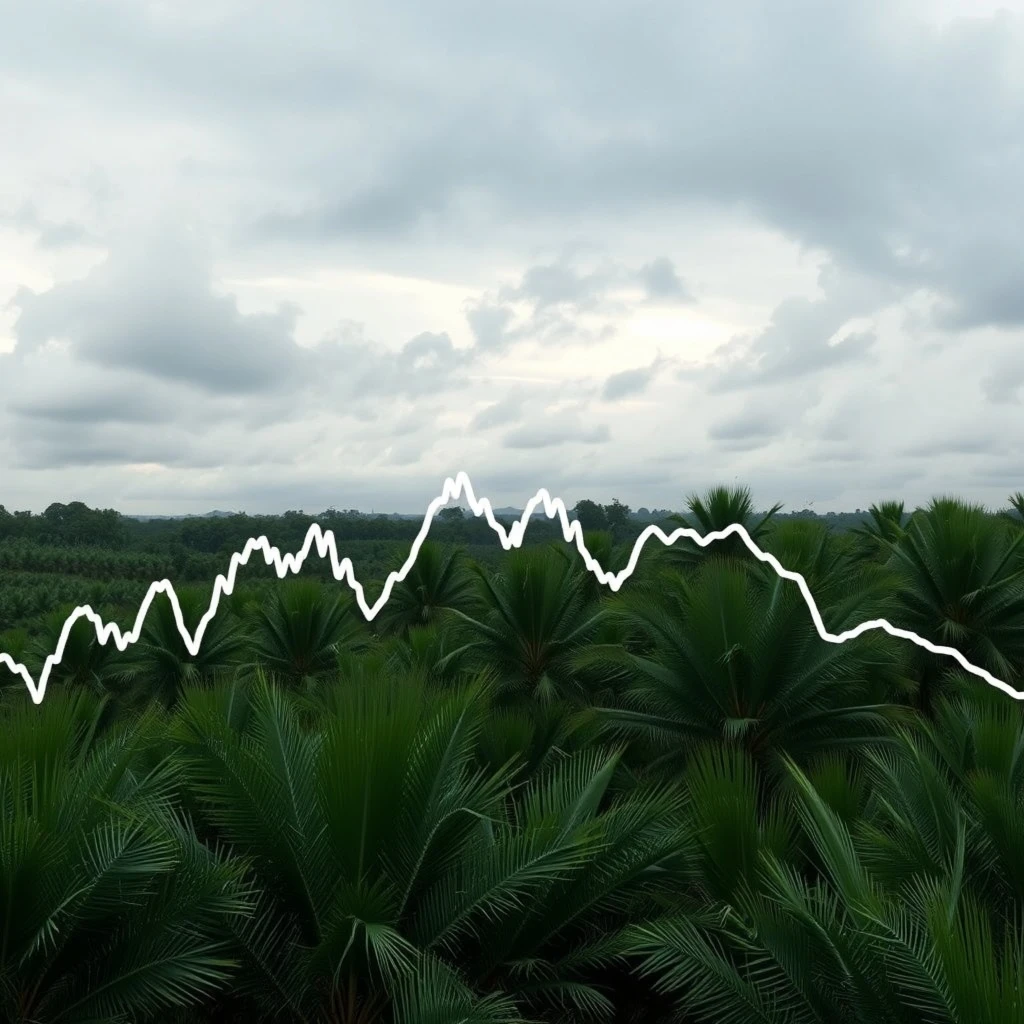
Malaysian crude palm oil futures edged lower on Friday, with the benchmark contract slipping 0.3% to $1,104 per metric ton (RM4,515/MT), as bearish macro and technical signals outweighed bullish weather and demand-support narratives. Global palm oil, as tracked by the World Bank, stood at $1,101/MT, while Indonesia’s reference price was $1,030/MT.
CPO holds near $1,104/MT as peak production meets firm demand; MPOB report and weather in focus.
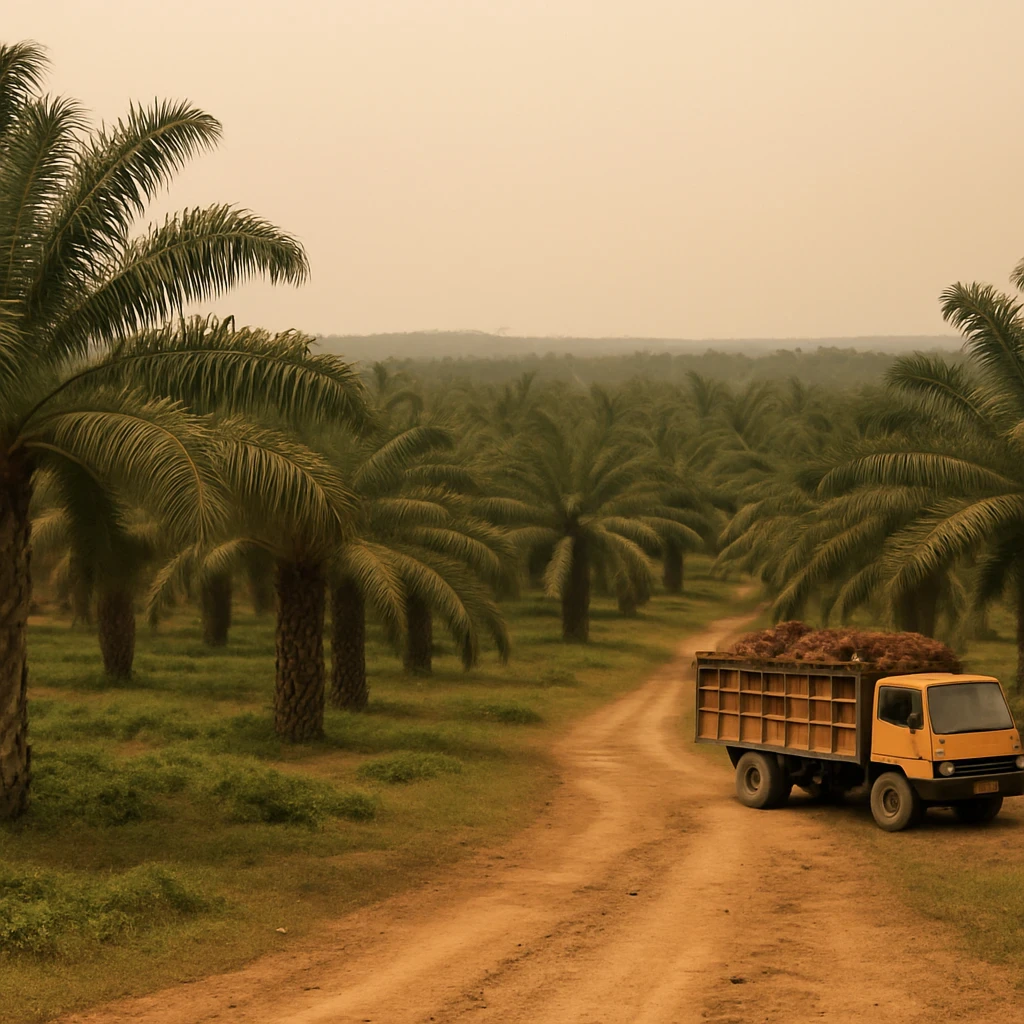
Malaysian crude palm oil futures settled around $1,104 per metric ton (RM 4,515), down 0.3% from the previous session, as the market weighed peak production against supportive demand signals. The global benchmark hovered near $1,101/MT, while Indonesia's reference price stood at about $1,030/MT. Brent crude held at $82 per barrel, offering little direction to biodiesel-linked palm oil values.
Malaysia's June MPOB data showed CPO production at 1,638,777 tonnes, up 8.1% month-on-month, while closing stocks rose 3.7% to 1,332,697 tonnes. Exports climbed 5.7% to 1,198,567 tonnes, but imports surged 135.3% to 103,113 tonnes, reflecting arbitrage opportunities and regional logistics. The FFB reference price slipped 1.3% to RM 48.90.
Our model outlook suggests prices are likely to drift lower over the next seven trading days, pressured by the seasonal production peak, a soft energy complex, and positioning ahead of the MPOB July report, which is expected to show further inventory accumulation. However, the downside is cushioned by firm Indian demand and the wide BOPO spread, while El Niño concerns limit aggressive selling.
ENSO conditions are firmly in El Niño territory (ONI +1.4), with notably dry weather across Sabah, Sarawak, and Kalimantan. This raises the risk of an earlier-than-expected production downturn, which could flip the market narrative from surplus to scarcity. The upcoming MPOB release, due in about four days, is the key event risk—a larger-than-expected inventory build could trigger short-term selling, while any signs of production stress could spark a rebound.
India's July edible oil imports hit a 10-month peak on higher palm oil buying, reinforcing the demand-side strength. The country is also seeking sunflower oil alternatives amid Black Sea disruptions, which could further support palm oil uptake. Meanwhile, Indonesia, Malaysia, and Thailand have raised their biodiesel mandates for 2026, and Pertamina has launched nationwide B50 distribution in Indonesia. These policy moves underpin structural demand for palm oil as a fuel feedstock, even as they contribute to global edible oil price pressures flagged by the RBI.
CPO futures have seen profit-taking and losses on weaker soybean and crude oil prices, but rising crude has limited the damage. The market is on track for a weekly gain, supported by a strong export outlook. The Malaysian Palm Oil Council sees CPO prices stuck in a RM 4,400–4,650 range for August, aligning with current levels. Global food prices edged up in July, with edible oils among the contributors, per the FAO.
Watch the MPOB July report for inventory direction—a bigger build could pressure prices, but any El Niño-driven production slowdown could quickly reverse sentiment. Also monitor Indian import pace and biodiesel policy updates, as these are the key demand-side variables shaping the near-term balance.
Sources: 富途牛牛; Business Standard; Bernama; energynews.pro; ANI News; Finimize
Indonesia, Malaysia and Thailand raise blend mandates; B50 rollout and India's import concerns shape market.
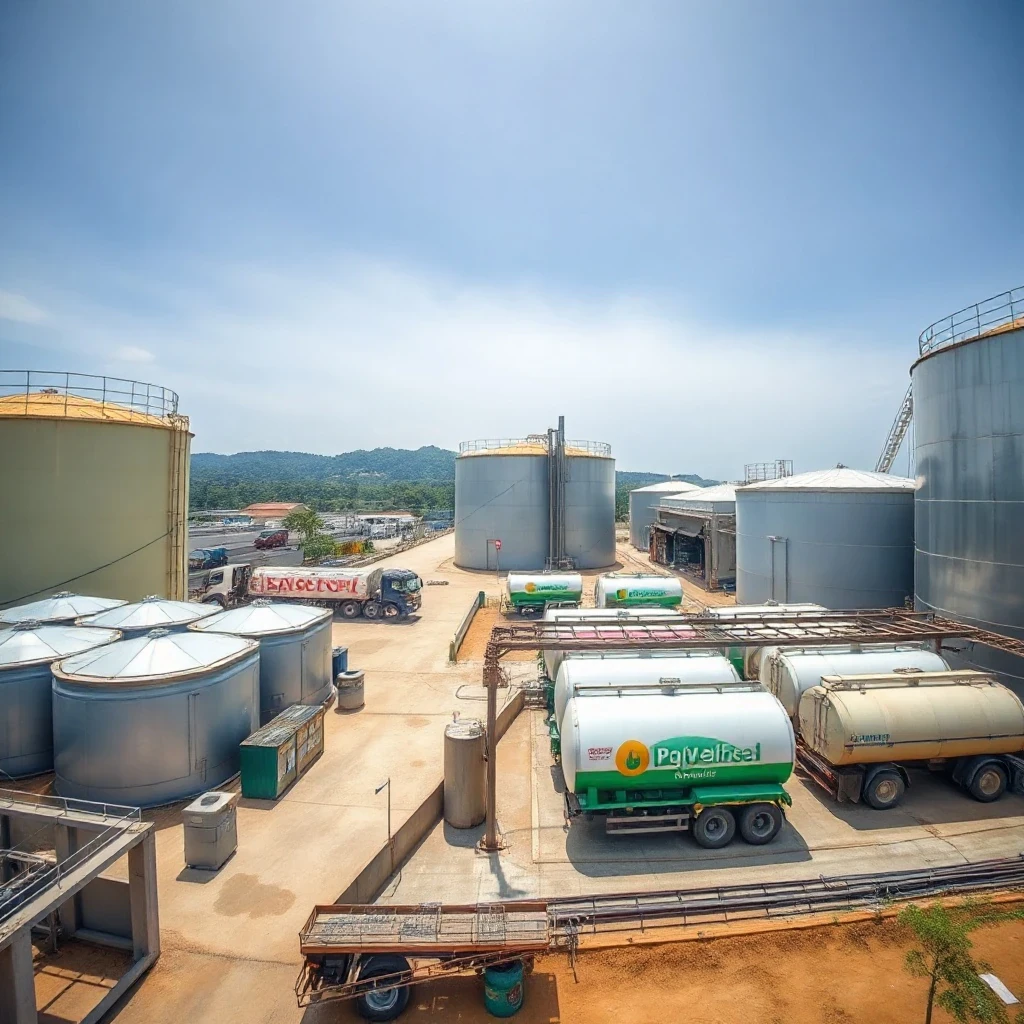
Palm oil policy across Southeast Asia is tightening in 2026, with Indonesia, Malaysia and Thailand all raising their biodiesel mandates. The moves, reported on August 7, are set to increase domestic palm oil consumption in the region, potentially limiting export availability and supporting prices during a period of peak production.
Indonesia has been the most aggressive, with state energy firm Pertamina launching nationwide B50 biodiesel distribution on July 27. The higher blend—50% palm oil-based biodiesel—is expected to absorb a significant portion of the country's palm oil output, reducing the volume available for export. This comes as Indonesia's reference price stands at about $1030/MT, below the global benchmark of $1101/MT, reflecting a policy-driven domestic market.
The ripple effects are being felt in India, the world's largest vegetable oil importer. The Reserve Bank of India has linked the broad-based rise in edible oil prices to biofuel use, specifically citing Indonesia's B50 mandate. This has raised concerns about supply security and price stability in India, which relies heavily on imports to meet domestic demand.
In a related development, Indian industry body IVPA has sought curbs on duty-free edible oil imports from Nepal, which have been growing and are seen as a way to bypass import duties. This adds another layer of complexity for buyers navigating a market already under pressure from higher global prices and tighter supply.
For compliance-minded buyers, the policy shift means several things. First, the higher mandates in producing countries could tighten global supply, especially if El Niño-related dry weather in Kalimantan and Sarawak affects production later in the year. Second, the spread between biodiesel and diesel—currently wide—makes blending economically attractive, but any change in crude oil prices (Brent at about $82/bbl) could alter that calculus. Third, buyers should monitor the MPOB July report, due in about four days, for signs of inventory builds that could ease prices.
Our model outlook suggests CPO prices will drift lower over the next seven trading days, pressured by peak production and a weak energy complex. However, firm Indian demand and the wide BOPO spread provide a floor. The key risk is the MPOB report: a larger-than-expected stock build could trigger selling, while any hint of an early production downturn due to El Niño could spark a rebound.
In this environment, buyers should stay agile, watching both policy announcements and weather patterns, as the interplay between mandates, supply and demand will define price direction in the coming weeks.
Sources: energynews.pro; Biofuels International Magazine; livemint.com; livemint.com
Malaysian CPO benchmark holds around $1,104/MT; MPOB June shows output, stocks up; market awaits July report.
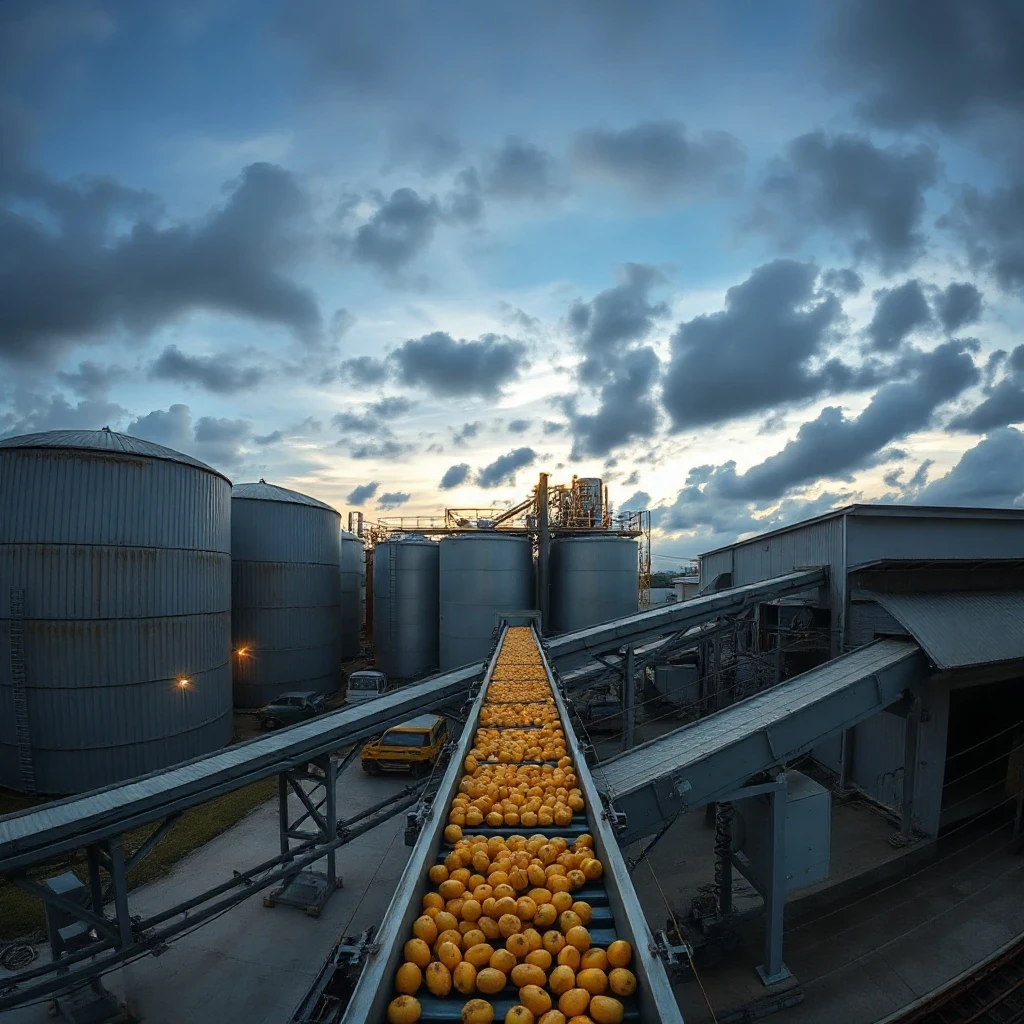
The Malaysian crude palm oil (CPO) benchmark settled the week at approximately $1,104 per metric ton, or RM 4,515, down 0.3% from the previous session. The global World Bank benchmark stood at about $1,101/MT, while Indonesia's reference price was set near $1,030/MT. Prices have held in a narrow band, with the market digesting a fresh round of supply data and awaiting the next official inventory read.
Brent crude traded at roughly $82 per barrel, flat on the session, keeping biodiesel blend economics broadly unchanged. The ringgit was quoted near 4.09 per dollar, while the rupiah hovered around 17,941 per dollar. Currency moves were modest, offering little directional impetus for exporters or importers.
The Malaysian Palm Oil Board's June release showed CPO production at 1,638,777 tonnes, up 8.1% month-on-month, while closing stocks rose 3.7% to 1,332,697 tonnes. Exports increased 5.7% to 1,198,567 tonnes, and imports jumped 135.3% to 103,113 tonnes. The FFB reference price slipped 1.3% to RM 48.90. The data confirms a seasonal uptick in output, though stock accumulation was slightly softer than some had expected.
The ENSO remains in El Niño territory, with the ONI at +1.4. Notable dryness persists across Sabah, Sarawak, and Kalimantan, raising questions about the durability of the current production recovery. So far, yields have held up, but the market is watching for any signs of earlier-than-usual stress in the second half of the year.
Our model outlook points to a drift lower in CPO prices over the next seven trading days. Pressures include peak production season, a weak energy complex, and positioning ahead of the MPOB July report, which is likely to show a further build in stocks. Downside is cushioned by firm Indian demand, the wide BOPO spread, and lingering El Niño concerns that keep sellers cautious. The key event risk is the MPOB release due in about four days: a larger-than-expected inventory build could trigger short-term selling, while any hints of an earlier production downturn could spark a rebound.
Attention turns to the MPOB July supply-demand report, due within days, as the primary catalyst. Traders will also monitor Indonesian reference price announcements and any policy signals around biodiesel mandates. Seasonal patterns suggest continued high output, but weather developments across the dry regions will be closely watched for any shift in production expectations.
Remote sensing, drones and yield mapping are moving from pilot to practice. Here is the state of the evidence.

Precision agriculture in oil palm is often promoted as a leap forward in estate management. The core idea is straightforward: use satellite imagery, drone surveys and yield mapping to see variability within a plantation, then target inputs and interventions where they are needed. The technology is real, but the evidence of its impact is still maturing.
Remote sensing has proven reliable for mapping canopy health and vigour. Satellite and drone imagery can detect differences in leaf colour, canopy density and stress indicators across large areas. This is widely used to spot nutrient deficiencies, water stress and early signs of disease or pest damage. The accuracy of these maps is generally good, especially when ground-checked.
Drone surveys have become a practical tool for counting palms and assessing stand density. High-resolution imagery can identify gaps, senescent palms and replanting needs. This is now a routine operation on many estates, replacing slow and costly manual counting.
Yield mapping is more developed in other crops, but oil palm trials have shown that harvest records, when georeferenced, can be used to build yield variability maps. These maps help managers understand which blocks are underperforming and why. The technology to do this is commercially available and has been demonstrated on working estates.
The biggest gap is whether precision agriculture consistently improves yield or profit. Some trials report modest gains in yield or fertiliser efficiency, but others find no significant difference compared with conventional uniform management. The response depends heavily on the scale of variability in the field, the quality of the agronomy, and the cost of the technology.
Claims that precision agriculture can reduce fertiliser use by a fixed percentage are not supported by a consistent body of evidence. Savings appear to be site-specific. In fields with high variability, targeted application can cut waste. In uniform fields, the benefit is small.
Another contested area is predictive analytics – using sensors and models to forecast yield or disease outbreaks. While promising, these tools are still being validated. Their accuracy varies with climate, soil and management practices, and they have not yet been proven across the full range of growing conditions.
Some vendors and proponents suggest that precision agriculture can replace ground-based agronomy. That is not supported by the research. Ground truthing – checking what the sensors see – remains essential. The technology is a complement to, not a substitute for, experienced field staff.
Similarly, claims of rapid, large-scale yield gains from drone surveys alone are overstated. Drones provide excellent data, but data alone does not improve yield. The gains come from the management decisions that follow, and those decisions still require agronomic judgement.
For producers, the evidence supports using remote sensing and drones for monitoring and diagnostics – spotting problems early and targeting scouting. Yield mapping is useful for block-level benchmarking and for guiding replanting or soil-sampling programmes. But the business case depends on estate size, labour costs and existing data quality. A smallholder with a few hectares is unlikely to see a return; a large estate with high input costs might.
For refiners and buyers, precision agriculture is not yet a reliable indicator of sustainable or higher-quality supply. It is a management tool, not a certification. Until the yield and profit evidence is stronger, it should be viewed as a promising innovation, not a proven standard. ---
*This article reflects the position as of 8 August 2026. Research moves on, and later work may revise or supersede what is described here. Please verify the current position, and any changes made after this date, before relying on it.*
A practical guide for buyers on how palm oil fractions are blended into bakery shortenings.
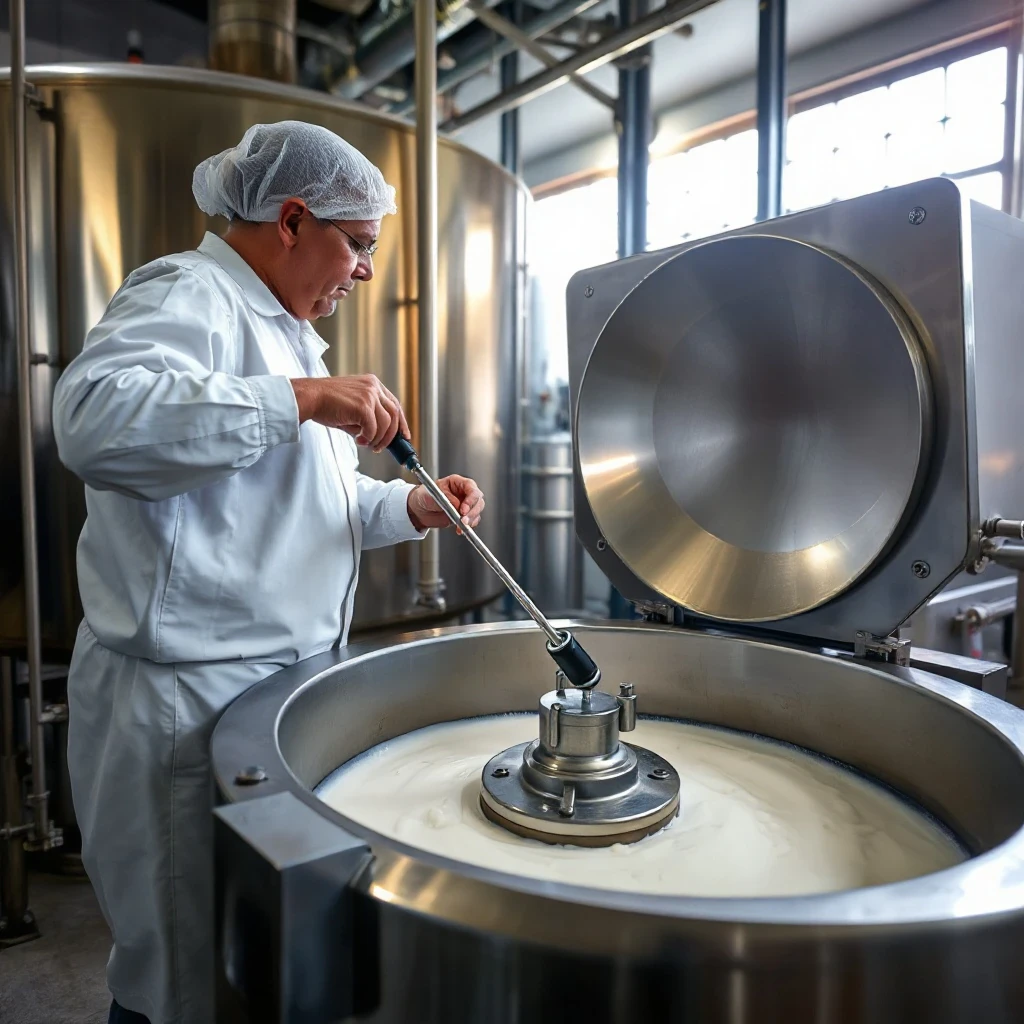
For procurement managers new to palm products, shortenings are among the most common yet least understood purchases. A shortening is simply a solid or semi-solid fat used to give baked goods their tender crumb, flaky texture, and stable structure. Palm oil is a preferred raw material because it is naturally semi-solid at room temperature, requires little modification, and is cost-effective.
Palm oil is fractionated to separate it into components with different melting points. The two main fractions are:
By blending these fractions in different ratios, refiners can tailor a shortening to a specific application. A pie crust needs a firm, flaky fat; a cake icing needs a creamy, spreadable one. The blend ratio is the key lever.
Straight palm fractions may not always match the exact performance of traditional hydrogenated fats. Two processes adjust their functionality:
These processes allow producers to create shortenings with a sharp melting profile – solid at room temperature but melting quickly in the mouth, a quality prized in confectionery.
When specifying a shortening, focus on these parameters:
Always request a technical data sheet and a sample for a bench-top test before committing to a full order.
These are starting points; your supplier can adjust the blend to meet your exact needs.
Understand your application, communicate your temperature and texture requirements, and ask for a tailored sample. Palm fractions are versatile, but the right shortening is a precise blend. With a clear specification, you can source a product that performs consistently and economically.
Our market desk connects serious buyers with vetted origin suppliers across Southeast Asia. Indicative pricing, specifications and shipment guidance — free of charge.
Get connected →CPO holds near $1,104/MT as peak production meets firm demand; MPOB report and weather in focus.
Full story — Page 2 ▸Indonesia, Malaysia and Thailand raise blend mandates; B50 rollout and India's import concerns shape market.
Full story — Page 2 ▸Malaysian CPO benchmark holds around $1,104/MT; MPOB June shows output, stocks up; market awaits July report.
Full story — Page 2 ▸Remote sensing, drones and yield mapping are moving from pilot to practice. Here is the state of the evidence.
Full story — Page 2 ▸A practical guide for buyers on how palm oil fractions are blended into bakery shortenings.
Full story — Page 2 ▸Malaysian CPO edges lower ahead of MPOB July data, with a 4-to-5 bearish tilt in our model's factor balance keeping the downside in control.
Malaysian crude palm oil futures edged lower on Friday, with the benchmark contract slipping 0.3% to $1,104 per metric ton (RM4,515/MT), as bearish macro and technical signals outweighed bullish weather and demand-support narratives. Global palm oil, as tracked by the World Bank, stood at $1,101/MT, while Indonesia’s reference price was $1,030/MT.
CPO benchmark slips 0.3% as peak output, weak Indian demand, and a crude oil rout overshadow a wide soy oil spread cushion.
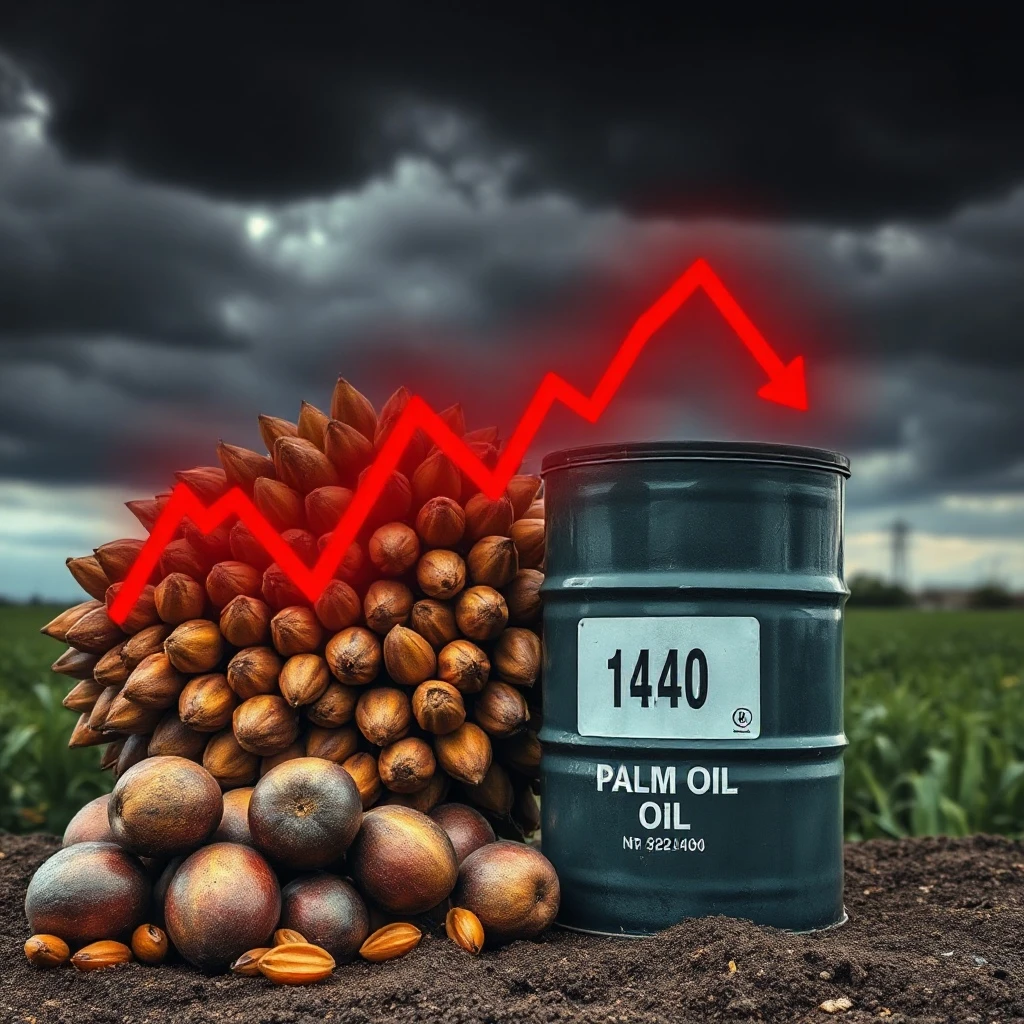
The Malaysian crude palm oil (CPO) benchmark dipped 0.3% on Friday to $1,105 per metric tonne (RM4,516), extending a cautious drift as the market positions ahead of next week’s MPOB supply report. The modest decline reflects a weight of bearish forces that continue to dominate, even as a deep discount to soy oil provides some underlying support.
Buoyant BOPO spread underpins demand The premium of soybean oil over palm oil, known as the BOPO spread, has widened to $477 per metric tonne. This heavy discount makes palm exceptionally attractive to price-sensitive buyers, encouraging switching from soyoil in food and industrial uses. The spread acts as a crucial floor, blunting sharper price falls. Our model outlook flags this as the primary bullish current keeping CPO from a steeper slide.
El Niño builds, but its bite is months away The Oceanic Niño Index sits at +1.4°C, confirming an El Niño event that historically curbs palm yields with a 6–12 month lag. While this does not directly tighten supply in the coming week, it keeps medium-term supply risk on traders’ radars, providing a faint bid to deferred positions. For now, it does not alter the immediate physical balance.
Storm clouds from the upcoming MPOB release The Malaysian Palm Oil Board is set to publish July data in roughly four days, and the market expects a seasonal production increase and a further build in inventories from June’s already ample 1.33 million tonnes (+3.7% month-on-month). Traders are trimming risk ahead of what is likely to be a bearish stockprint, adding pre-emptive selling pressure.
Peak output season swells supplies July through October is the high-production window in Southeast Asia. Trees are naturally more productive, swelling crushed volumes and pushing aggregated supply above demand during this stretch. This mechanical rise in supplies routinely exerts downward price pressure, and this year is no exception.
Indian demand falters Indian edible oil imports slumped 30% in June, as reported in late July, signaling a step-back from the world’s top palm buyer. Lower offtake mean less aggressive procurement, leaving Malaysian exporters to chase a thinner order book and forcing price concessions to move cargoes.
Crude oil rout hammers biodiesel economics Brent crude has tumbled 13.6% over the past seven days to $84 a barrel. When crude oil is cheaper, straight diesel becomes more competitive against palm-based biodiesel, eroding the blending mandate premium that keeps a floor under veg-oil demand. This direct energy-link decline saps a key demand driver.
Weak rupiah unleashes aggressive Indonesian selling The Indonesian rupiah has depreciated to 17,913 per US dollar, making the country’s palm oil exports cheaper in dollar terms. Indonesian producers, facing lower local input costs in dollar-adjusted terms, are incentivized to push volumes onto global markets, piling additional regional supply onto Malaysian prices.
Speculative positioning adds fragility Managed money holds a net long position in CBOT soy oil near the 85th percentile of its historical range. With this crowded bullish stance, any bearish shock—like a high MPOB stock figure—could trigger a wave of liquidation, spilling over into palm sentiment and amplifying down moves.
Technical tide turns bearish A death cross has formed with the five-day simple moving average falling below the 20-day, a classic signal of a short-term downtrend. While the RSI around 50 and the price near the Bollinger Band midpoint suggest a mean-reverting pause, the cross tips the immediate directional bias lower.
With only two bullish pillars against seven bearish headwinds, the downside clearly holds the upper hand. Our model outlook describes a cautious, mildly negative bias as the market navigates the last few sessions before the MPOB release. For the picture to shift, the data would need to deliver a bullish surprise—perhaps a production miss or a unexpected stock draw. A sharp rebound in Brent or a sudden revival in Indian buying could also challenge the bearish script. Until then, the weight of evidence keeps the CPO benchmark pinned in a defensive posture.
CPO slips on profit-taking and softer soybean, crude; Indonesia's August reference price set lower at $996.52/MT.
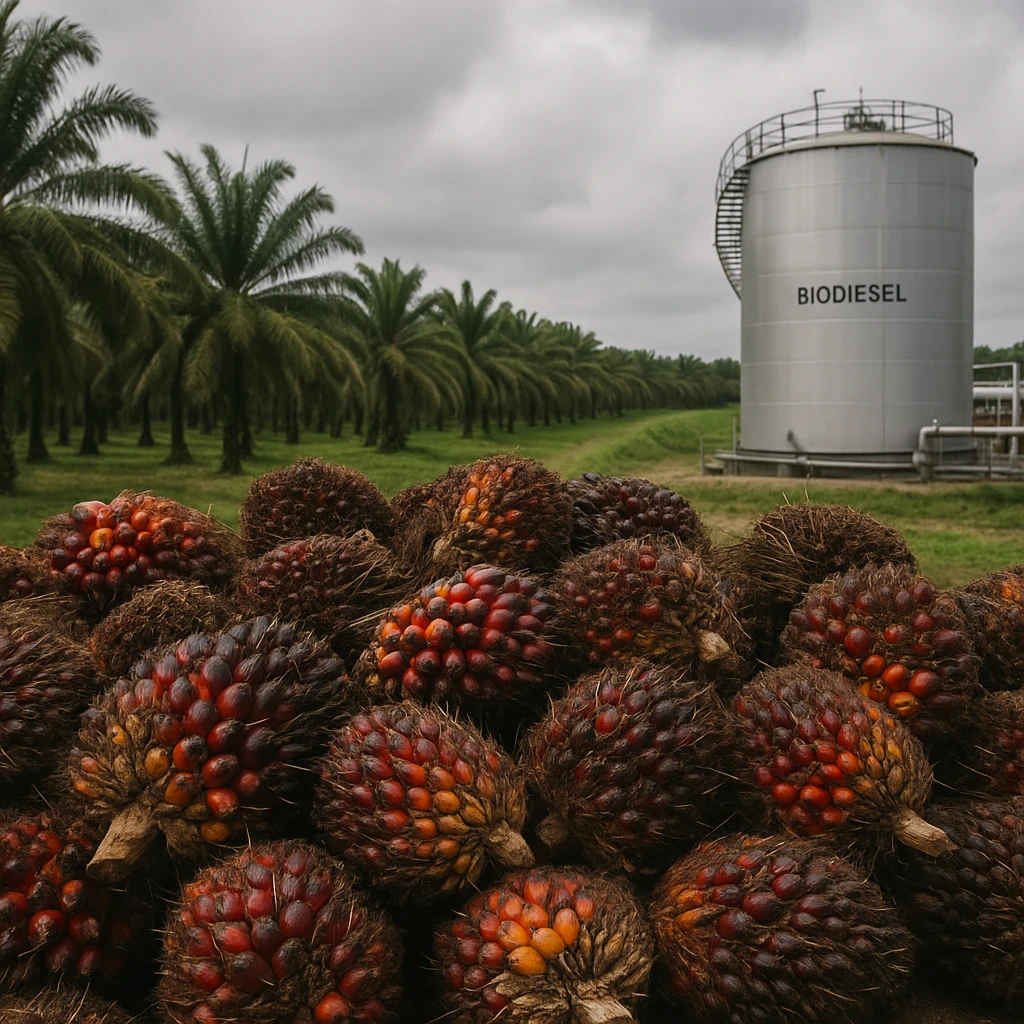
Malaysian crude palm oil futures extended losses on August 7, easing 0.3% to about $1,104/MT (RM 4,515/MT), as traders took profits and tracked weaker soybean and crude oil markets. Despite the session's decline, contracts remain on track for a weekly gain, supported by lingering El Niño concerns and firm biodiesel demand expectations.
The global benchmark stood at about $1,101/MT, while Indonesia's August reference price was set at $996.52 per tonne, down from the previous month's level. The lower reference price is expected to trim export tax expectations for Indonesian shipments, potentially encouraging greater export flows.
Malaysia's June MPOB data showed CPO production at 1,638,777 tonnes, up 8.1% month-on-month, with closing stocks rising 3.7% to 1,332,697 tonnes. Exports grew 5.7% to 1,198,567 tonnes, while imports surged 135.3% to 103,113 tonnes, reflecting tight domestic supply earlier in the year.
With the industry entering peak production season, inventories are likely to expand further. Our model outlook suggests CPO prices are poised near a tipping point as the approaching MPOB July report meets a surge in El Niño probability, a nascent B50 rollout, and a sharp Brent crude sell-off. Near-term, expect consolidation around $1,100–$1,120, with a slight bias to the upside from preseasonal restocking, but high uncertainty.
El Niño conditions persist (ONI +1.4), with dry weather reported in Sabah, Sarawak, and Kalimantan. While current rainfall deficits have not yet hit yields, the market is wary of potential stress on trees in the coming months. This is a key factor limiting downside, as any prolonged dryness could tighten supply later in the year.
Crude oil slipped 0.6% to about $83/bbl, trimming support for biodiesel blending economics. However, Indonesia's nationwide B50 biodiesel rollout and India's robust buying—July edible oil imports hit a 10-month peak—underpin demand. A wide soy-palm spread also makes palm oil attractive for price-sensitive buyers, though weaker soybean oil futures added pressure to the complex.
The upcoming MPOB July report is pivotal. A further stock build could extend losses, but any weather-related supply concerns or changes in Indonesian export policy could quickly reverse sentiment. The lower Indonesian reference price and the rupiah's direction (USD/IDR at about 17,941) will shape export tax expectations. Buyers should monitor crude oil prices and next week's MPOB data for near-term cues.
Sources: 富途牛牛; NST Online; Finimize; Business Recorder; UkrAgroConsult; UkrAgroConsult
A step-by-step look at the mechanism behind Indonesia's rising biodiesel blend rates, who pays for it, and how each increase locks more crude palm oil out of the export market.

For procurement managers and traders, Indonesia's biodiesel mandate is not just a domestic fuel policy—it is a structural shift in global palm oil supply. Every time the mandated blend rate rises, a larger share of the country's crude palm oil (CPO) is diverted from export markets into domestic fuel production. Understanding how this mechanism works is essential for reading landed costs and anticipating supply tightness.
Indonesia's biodiesel mandate requires fuel suppliers to blend a minimum share of palm oil-based biodiesel into diesel fuel sold domestically. The blend rate is expressed as a percentage—B30 means 30% palm oil biodiesel mixed with 70% conventional diesel. The rate is set by government regulation and has been raised in steps over time, from B30 to B35 and then to B40. Each step represents a deliberate policy choice to absorb more CPO domestically.
The mandate is not a one-time target; it is an ongoing requirement that applies to all diesel sold for transportation and industry. As the blend rate increases, the volume of CPO needed for biodiesel rises proportionally, assuming diesel consumption remains steady. This is the core mechanism: a higher blend rate directly translates into more CPO that never reaches the export market.
The key to making the mandate work is the subsidy mechanism. Biodiesel produced from palm oil is often more expensive than conventional diesel, so fuel suppliers would face a cost penalty if forced to blend at high rates. To compensate, the government uses a levy on CPO exports to fund the price difference. This levy is collected from exporters of crude palm oil and its derivatives, creating a direct link between export volumes and domestic biodiesel support.
When export prices are high, the levy generates more revenue, making it easier to fund the subsidy. When prices fall, the levy revenue shrinks, and the government may adjust the levy rate or the subsidy allocation to keep the mandate viable. This funding mechanism means that the cost of the mandate is ultimately borne by the palm oil supply chain itself, not by taxpayers or fuel consumers directly.
Each increase in the blend rate—from B30 to B35, and then to B40—removes a quantifiable volume of CPO from the export pool. For example, if Indonesia produces a certain amount of biodiesel annually, a 5-percentage-point rise in the blend rate could divert an additional several million tonnes of CPO away from exports. The exact figure depends on diesel consumption and yield assumptions, but the direction is clear: every step up tightens global supply.
For buyers, this means that even if export taxes or levies change, the underlying volume reduction is the real driver of price. When the mandate expands, less CPO is available for international buyers, which can support global prices and increase landed costs for importers. Traders should monitor not just the announced blend rate, but also the actual implementation and enforcement, as delays or waivers can alter the effective impact.
Procurement professionals should track three things: the official blend rate announcements, the levy rate adjustments, and the actual biodiesel production volumes. A higher blend rate is bullish for CPO prices because it reduces export supply. A lower levy or a waiver could signal that the government is easing the burden on exporters, but it does not change the underlying demand for CPO in biodiesel.
Commercial relevance is direct: if Indonesia raises its blend rate, expect tighter export availability and higher prices for CPO and its derivatives. Conversely, if the mandate is relaxed or enforcement weakens, more CPO could flow to export markets, putting downward pressure on prices. By understanding the mechanism, buyers can better anticipate supply shifts and adjust their sourcing strategies accordingly. ---
*This article reflects the position as of 7 August 2026. Duty structures, levies and mandates change often, sometimes at short notice. Please verify the current position, and any changes made after this date, before relying on it.*
Biodiesel mandate lifts Indonesian palm demand; India mulls Nepal duty-free curbs as prices firm.
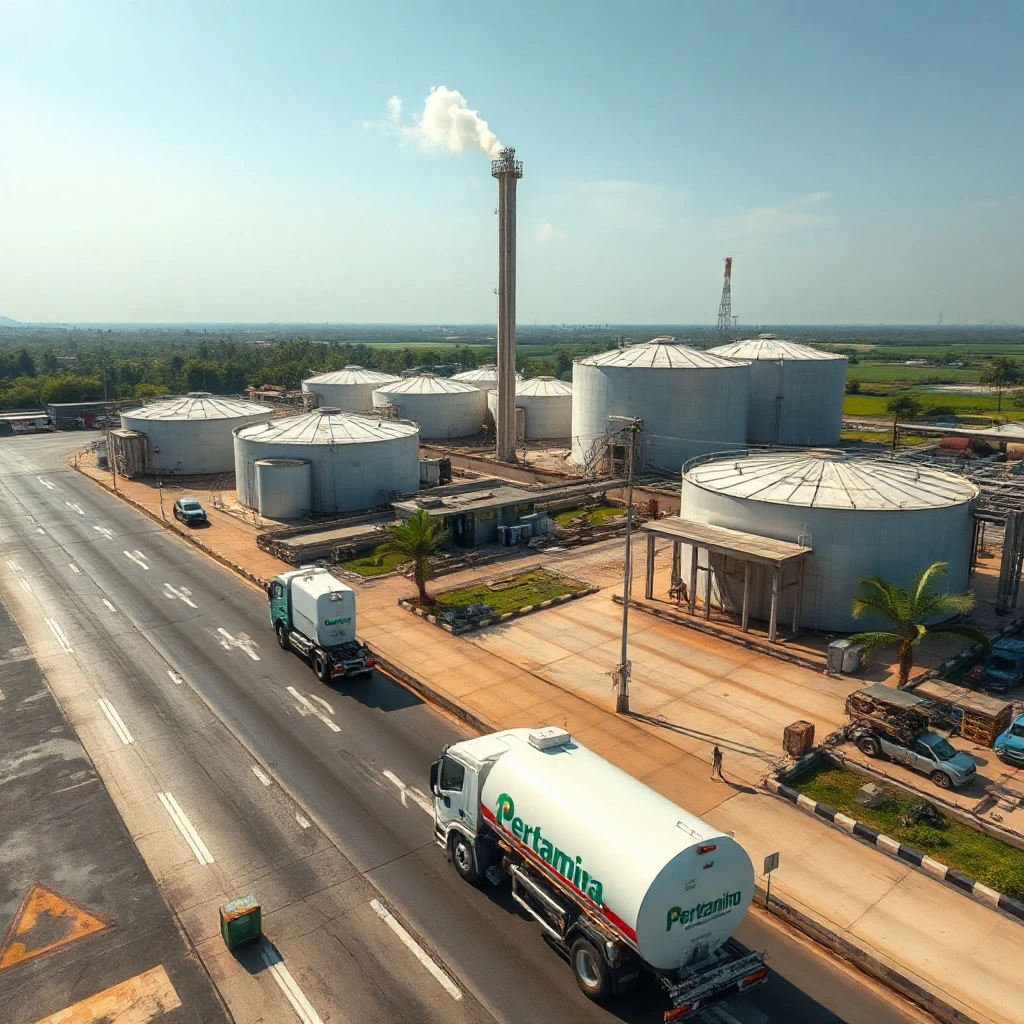
Indonesia's nationwide B50 biodiesel distribution, launched by state energy firm Pertamina in late July, is the most consequential policy shift for palm oil markets this month. The higher blend — up from B35 — will absorb a larger share of domestic crude palm oil output, tightening export availability and supporting benchmark prices. For compliance-minded buyers, the mandate reinforces the need to track Indonesian export permit allocations and domestic market obligations, which may be adjusted to secure feedstock for the expanded program.
India's edible oil trade is also in focus. Domestic producers, via the Indian Vegetable Oil Producers' Association, are pressing for curbs on duty-free imports from Nepal, arguing that the route is being used to bypass tariffs on refined palm oil. A policy response could redirect some Indian import demand toward Malaysia and Indonesia, with near-term implications for regional price spreads. Buyers sourcing into India should monitor any tariff or quota changes closely, as they could alter the competitiveness of refined versus crude palm oil.
Malaysian crude palm oil futures settled near $1,105 per metric ton on the benchmark Bursa Malaysia exchange, down 0.3% on the day, with the ringgit at 4.09 per dollar. The global benchmark was around $1,101, while Indonesia's reference price stood near $1,030. Brent crude slipped 0.2% to about $83 per barrel, narrowing the energy-value support for biodiesel blending economics.
MPOB data for June showed Malaysian production rising 8.1% month-on-month to 1.64 million tons, with stocks up 3.7% to 1.33 million tons. Exports grew 5.7% to 1.20 million tons, while imports surged 135% to 103,000 tons, reflecting tight domestic supply earlier in the year.
Our model outlook sees CPO prices edging lower over the next week, pressured by the crude oil drop, peak-season inventory builds, and a weak rupiah (around 17,913 per dollar) that encourages Indonesian export flows. However, a wide soy-palm spread and lingering El Niño concerns — with dry conditions in Sabah, Sarawak and Kalimantan — should limit downside. The upcoming MPOB July report will be pivotal; a further stock build could extend losses, while any weather-driven production surprise would reverse the trend.
For buyers, the policy landscape is now a two-sided risk: Indonesian biodiesel demand and Indian import restrictions could tighten supply, while ample regional stocks and soft energy prices argue for cautious purchasing. Monitoring both regulatory fronts will be key to navigating the next few weeks.
Sources: Our World in Data; Biofuels International Magazine; livemint.com; livemint.com; Business Standard
What research shows about enzyme-catalyzed fat modification, where the evidence is solid, and where industry claims outrun the science.

For decades, partial hydrogenation was the workhorse for turning liquid oils into semi-solid fats with the right melting profile for margarines, shortenings and confectionery. But the process generates trans fatty acids, which are now widely recognized as a cardiovascular risk. Regulatory pressure and consumer demand have pushed the industry toward alternatives, and enzymatic interesterification has emerged as a leading replacement.
Unlike hydrogenation, interesterification does not add hydrogen or create trans fats. Instead, it rearranges the fatty acids already present on the glycerol backbone of the triglyceride molecule. Enzymatic interesterification uses a lipase enzyme to catalyze this rearrangement, typically in a continuous or batch reactor. The result is a fat with altered melting behavior, but with the same overall fatty acid composition as the starting blend.
The scientific literature is consistent on several key points. First, enzymatic interesterification produces fats with negligible trans content, provided the starting oils are fully refined and not partially hydrogenated. Second, the process is more specific than chemical interesterification, which uses a random catalyst and can produce more byproducts. Enzymatic routes also operate under milder conditions, reducing energy use and preserving heat-sensitive minor components.
Studies comparing enzymatic interesterification to partial hydrogenation have repeatedly shown that the resulting fats can match the functional properties—such as solid fat content and plasticity—needed for many applications. For example, blends of fully hydrogenated palm stearin with liquid oils, when interesterified enzymatically, yield fats with steep melting curves that are useful in bakery shortenings and confectionery coatings.
However, several areas remain contested or under-researched. One is the impact on micronutrients and minor components. Some research suggests that enzymatic interesterification can degrade tocopherols or phytosterols more than chemical methods, but other studies find no significant difference. The evidence is mixed, and outcomes likely depend on specific conditions and feedstock quality.
Another open question is the long-term oxidative stability of interesterified fats. Some trials report higher susceptibility to oxidation compared to hydrogenated counterparts, while others show comparable stability. This variability may stem from differences in starting oil composition, enzyme carrier, and post-treatment refining. Industry claims that enzymatic interesterification produces uniformly more stable fats are not fully supported by the data.
There is also debate about the nutritional effects of the triacylglycerol structures created. Interesterification randomizes fatty acid positions, which can alter absorption and postprandial lipid metabolism. Some human studies have shown higher fasting lipid levels with interesterified fats versus unmodified blends, but the clinical relevance remains unclear. This is an active area of investigation, and definitive conclusions are not yet available.
For producers, the evidence supports enzymatic interesterification as a viable, trans-free solution for many fat applications. It offers process advantages—lower energy input, fewer byproducts—and can produce tailored functional fats from palm oil fractions and other feedstocks.
But the research also cautions against over-optimism. Oxidative stability and micronutrient retention need to be assessed on a case-by-case basis. Process parameters, feedstock selection, and post-treatment steps all matter. Buyers should request stability and nutritional data from suppliers rather than assuming equivalence to hydrogenated products.
As the evidence base evolves, the industry should expect more refined guidance on optimal enzyme carriers, reactor designs, and quality control. For now, enzymatic interesterification is a proven technology, but it is not a magic bullet—it requires careful engineering and honest communication about its trade-offs. ---
*This article reflects the position as of 7 August 2026. Research moves on, and later work may revise or supersede what is described here. Please verify the current position, and any changes made after this date, before relying on it.*
From margarine bans to label mandates, the 1990s-2000s trans-fat fight reshaped edible oils, pushing palm to the fore.

The modern palm oil trade is, in large part, a product of a public-health campaign that began in the 1990s. For decades, partially hydrogenated vegetable oils (PHOs) had been the workhorse of the food industry, prized for their solidity, stability, and low cost. But as evidence mounted linking trans fats to coronary heart disease, regulators and consumers turned against them—and the industry was left searching for a replacement that could mimic PHO functionality without the health stigma.
Hydrogenation, developed in the early 20th century, allowed liquid oils to be turned into semi-solid fats, enabling the production of margarine, shortening, and a host of baked and fried goods. By the 1980s, PHOs were ubiquitous. But a growing body of epidemiological and biochemical research, most notably the landmark 1990s studies that tied trans fat intake to increased LDL cholesterol and decreased HDL cholesterol, began to shift the consensus. The first regulatory steps came in the mid-1990s, when some countries introduced mandatory trans-fat labeling, and by the early 2000s, Denmark had imposed strict limits on trans fats in food. The United States followed with a labeling requirement in 2006, and later moved to ban PHOs entirely, a process completed in 2018.
Food manufacturers faced a dilemma: they needed a fat that was solid at room temperature, resistant to oxidation, and neutral in taste. Options included tropical oils—palm, palm kernel, and coconut—as well as fully hydrogenated oils (which contain no trans fats but are very hard) and interesterified blends. Palm oil emerged as the most practical choice. Its natural semi-solid consistency, high oxidative stability, and relatively low cost made it a direct functional substitute in many applications. Palm kernel oil, with its sharper melting profile, found use in confectionery and coatings. The shift was not immediate, nor universal, but by the late 2000s, palm oil had become the default replacement fat in a wide range of processed foods, from cookies and crackers to frying oils and non-dairy creamers.
The trans-fat turn reshaped global supply chains. As demand for palm oil grew, so did its production, particularly in Southeast Asia. This expansion brought its own controversies, including deforestation, peatland conversion, and labor issues—concerns that later gave rise to sustainability certification schemes. For the palm trade, the health campaign was a double-edged sword: it opened vast new markets, but it also invited scrutiny of palm oil's own nutritional profile, particularly its saturated fat content. The industry responded with fractionation and blending to produce more tailored products, and with a sustained effort to position palm as a natural, trans-fat-free alternative.
Today, the trans-fat battle is largely won, with most jurisdictions having banned or strictly limited PHOs. Palm oil's dominance in the edible-oils complex is a direct inheritance of that era. The infrastructure, logistics, and product specifications that now define the trade were built around the need to supply a world that had turned away from hydrogenation. Even as newer concerns—about sustainability, health, and competing oils—emerge, the industry's structure remains shaped by the decisions made in the 1990s and 2000s. Understanding that history is essential for anyone navigating the palm market today, because the forces that made palm the default fat are still embedded in the way the trade operates.
Our market desk connects serious buyers with vetted origin suppliers across Southeast Asia. Indicative pricing, specifications and shipment guidance — free of charge.
Get connected →CPO slips on profit-taking and softer soybean, crude; Indonesia's August reference price set lower at $996.52/MT.
Full story — Page 2 ▸A step-by-step look at the mechanism behind Indonesia's rising biodiesel blend rates, who pays for it, and how each increase locks more crude palm oil out of the export market.
Full story — Page 2 ▸Biodiesel mandate lifts Indonesian palm demand; India mulls Nepal duty-free curbs as prices firm.
Full story — Page 2 ▸What research shows about enzyme-catalyzed fat modification, where the evidence is solid, and where industry claims outrun the science.
Full story — Page 2 ▸From margarine bans to label mandates, the 1990s-2000s trans-fat fight reshaped edible oils, pushing palm to the fore.
Full story — Page 2 ▸CPO benchmark slips 0.3% as peak output, weak Indian demand, and a crude oil rout overshadow a wide soy oil spread cushion.
The Malaysian crude palm oil (CPO) benchmark dipped 0.3% on Friday to $1,105 per metric tonne (RM4,516), extending a cautious drift as the market positions ahead of next week’s MPOB supply report. The modest decline reflects a weight of bearish forces that continue to dominate, even as a deep discount to soy oil provides some underlying support.
Buoyant BOPO spread underpins demand The premium of soybean oil over palm oil, known as the BOPO spread, has widened to $477 per metric tonne. This heavy discount makes palm exceptionally attractive to price-sensitive buyers, encouraging switching from soyoil in food and industrial uses. The spread acts as a crucial floor, blunting sharper price falls. Our model outlook flags this as the primary bullish current keeping CPO from a steeper slide.
El Niño builds, but its bite is months away The Oceanic Niño Index sits at +1.4°C, confirming an El Niño event that historically curbs palm yields with a 6–12 month lag. While this does not directly tighten supply in the coming week, it keeps medium-term supply risk on traders’ radars, providing a faint bid to deferred positions. For now, it does not alter the immediate physical balance.
Storm clouds from the upcoming MPOB release The Malaysian Palm Oil Board is set to publish July data in roughly four days, and the market expects a seasonal production increase and a further build in inventories from June’s already ample 1.33 million tonnes (+3.7% month-on-month). Traders are trimming risk ahead of what is likely to be a bearish stockprint, adding pre-emptive selling pressure.
Peak output season swells supplies July through October is the high-production window in Southeast Asia. Trees are naturally more productive, swelling crushed volumes and pushing aggregated supply above demand during this stretch. This mechanical rise in supplies routinely exerts downward price pressure, and this year is no exception.
Indian demand falters Indian edible oil imports slumped 30% in June, as reported in late July, signaling a step-back from the world’s top palm buyer. Lower offtake mean less aggressive procurement, leaving Malaysian exporters to chase a thinner order book and forcing price concessions to move cargoes.
Crude oil rout hammers biodiesel economics Brent crude has tumbled 13.6% over the past seven days to $84 a barrel. When crude oil is cheaper, straight diesel becomes more competitive against palm-based biodiesel, eroding the blending mandate premium that keeps a floor under veg-oil demand. This direct energy-link decline saps a key demand driver.
Weak rupiah unleashes aggressive Indonesian selling The Indonesian rupiah has depreciated to 17,913 per US dollar, making the country’s palm oil exports cheaper in dollar terms. Indonesian producers, facing lower local input costs in dollar-adjusted terms, are incentivized to push volumes onto global markets, piling additional regional supply onto Malaysian prices.
Speculative positioning adds fragility Managed money holds a net long position in CBOT soy oil near the 85th percentile of its historical range. With this crowded bullish stance, any bearish shock—like a high MPOB stock figure—could trigger a wave of liquidation, spilling over into palm sentiment and amplifying down moves.
Technical tide turns bearish A death cross has formed with the five-day simple moving average falling below the 20-day, a classic signal of a short-term downtrend. While the RSI around 50 and the price near the Bollinger Band midpoint suggest a mean-reverting pause, the cross tips the immediate directional bias lower.
With only two bullish pillars against seven bearish headwinds, the downside clearly holds the upper hand. Our model outlook describes a cautious, mildly negative bias as the market navigates the last few sessions before the MPOB release. For the picture to shift, the data would need to deliver a bullish surprise—perhaps a production miss or a unexpected stock draw. A sharp rebound in Brent or a sudden revival in Indian buying could also challenge the bearish script. Until then, the weight of evidence keeps the CPO benchmark pinned in a defensive posture.
Soy discount and Indian buying cushion CPO despite 13.8% Brent slide; market braces for MPOB supply update.
Malaysian CPO benchmark settled around $1,108 per tonne, gaining 0.7% from the previous session (RM4,532/MT at USD/MYR 4.09). Global palm oil traded near $1,101, while Indonesia’s reference price was $1,030. Brent crude slipped to $79/bbl, down 0.3% on the day but nursing a 13.8% plunge over the past week. The market is balancing robust demand signals against a heavy supply narrative, with cautious positioning ahead of July MPOB data due in about five days.
The most potent near-term driver is the wide BOPO spread. Soybean oil at $1,581/MT versus palm at $1,108 creates a discount of $473 per tonne, making palm oil exceptionally attractive for price‑sensitive buyers. Food manufacturers and biodiesel producers in importing nations prefer palm, directly supporting export volumes and keeping FOB bids firm.
India’s palm oil imports surged in July to a ten‑month high on heavy buying ahead of festivals. This immediate uptake pulls physical cargoes from the market, tightening spot availability in Malaysia and Indonesia, and signals resilient demand despite global macro uncertainty.
Weather disruptions are adding a supply squeeze. Peninsular Malaysia has received 375 mm of rain over the last 30 days, with another 34 mm forecast for the coming week. Saturated soils and field flooding can delay fresh fruit bunch harvesting and transport, temporarily reducing mill arrivals and CPO output. At the same time, El Niño conditions with an ONI of +1.4°C are strengthening the medium‑term bullish narrative. Historically, such El Niño strength reduces palm yields after a 6‑12 month lag, threatening late‑2026/early‑2027 production.
August seasonality provides a mild tailwind, with prices historically rising an average 0.7% month‑on‑month.
The collapse in Brent crude is the heaviest weight. A 13.8% drop to $79/bbl slashes the profitability of palm‑based biodiesel. When diesel prices fall, blending mandates become less economical unless subsidised, eroding a crucial demand pillar for palm oil. The weak crude also sours overall vegetable oil sentiment as it dims energy‑linked demand prospects.
Speculative positioning in related oilseeds has turned fragile. Managed‑money net longs in CBOT soybean oil remain at the 85th percentile but were cut by 15,493 contracts. Such crowded longs are vulnerable to liquidation if crude continues to fall or if soybean oil fundamentals weaken, and the resulting sell‑off often spills over into palm markets.
Indonesian exports are becoming more competitive as the rupiah weakens to USD/IDR 17,937. Cheaper Indonesian CPO undercuts Malaysian FOB prices, especially when global buyers are price‑sensitive. This intensifies the fight for market share at a time of peak seasonal production.
Technicals are signalling near‑term downward pressure. The price is near the upper Bollinger Band at $1,115, and the 5‑day SMA just crossed below the 20‑day SMA (a death cross), indicating a short‑term downtrend. The RSI at 52 is neutral, suggesting room for further decline.
With five bullish drivers against four bearish, the upside currently holds the advantage. The wide soy discount and strong Indian demand are providing concrete floor support, while weather‑related supply tightness in Malaysia adds immediate upside risk. The bearish arguments — chiefly the crude oil rout and technical weakness — are largely sentiment‑driven or anticipate future pressure rather than affecting physical flows today.
To flip the balance decisively bearish, one would need a combination of: (i) an unexpectedly large Malaysian stock build in the upcoming MPOB report, confirming that peak production is overwhelming exports; (ii) a further slide in Brent below $75/bbl, making biodiesel blends completely uneconomic and triggering fund liquidation in soyoil; (iii) a sharp reversal in Indian buying, perhaps on currency pressures; or (iv) a normalisation of weather in Peninsular Malaysia, relieving harvest constraints while Indonesian supply floods the market.
Our model outlook notes that while the immediate balance tilts bullish, the sharp Brent sell‑off and cautious market positioning ahead of the data release could still produce a slight net decline over seven days, with high volatility around the MPOB announcement.
Indonesia's B50 launch lifts biodiesel demand; India weighs Nepal duty-free import curbs.

Indonesia's nationwide B50 biodiesel distribution, launched by state energy firm Pertamina in late July, is the most consequential policy development for palm oil markets this week. The mandate raises the minimum biodiesel blend to 50 percent, directly expanding domestic palm oil consumption for fuel. For compliance-minded buyers, the policy tightens the link between crude oil prices and palm oil's energy value: with Brent near $80 per barrel, the economics of higher blends remain workable, but any sustained drop in crude would narrow the incentive for producers to divert supply toward fuel rather than food.
Our model outlook notes that a steep seven-day decline in Brent (-12.9 percent) is already pressuring prices, even as the B50 ramp-up provides a structural floor. The wide spread between palm oil and gasoil (BOPO) currently favors biodiesel blending, which supports near-term demand. However, peak-season stock builds in Malaysia and dry weather in key Indonesian regions—Sumatra and Kalimantan—keep the supply picture mixed.
Separately, Indian edible oil producers are pressing for curbs on duty-free imports from Nepal. The Reserve Bank of India has linked the recent broad rise in edible oil prices to biofuel mandates, including Indonesia's B50 program, while industry body IVPA has formally sought restrictions on Nepalese-origin shipments. The concern: refined oil entering India tariff-free under bilateral trade rules undercuts domestic processors and distorts pricing signals.
For palm oil, the stakes are indirect but real. India is the world's largest importer of vegetable oils, and any policy shift that limits duty-free refined supply could redirect demand toward crude palm oil imports from Malaysia and Indonesia. Conversely, if New Delhi keeps the door open, refined product from Nepal—often sourced from third-country crude—could continue to pressure CPO premiums.
With the next MPOB supply report due in roughly five days, positioning is biased bearish, but policy-driven demand from B50 and potential Indian import adjustments keep uncertainty high. Buyers should weigh these regulatory signals against seasonal supply trends when structuring near-term contracts.
Sources: Biofuels International Magazine; livemint.com; livemint.com
Dry conditions persist across Malaysia and Indonesia as El Niño holds, pointing to potential yield impacts later in 2026.

Weather & Crops Note – 6 August 2026
Palm oil markets are watching the weather as much as the balance sheets. The current El Niño episode (ONI +1.4) continues to shape conditions across the Malaysian and Indonesian palm belts, with notable dryness reported in Sarawak, Sumatra/Riau, and Kalimantan. While the market is focused on near-term supply and demand, the agronomic clock is ticking: El Niño-driven drought typically hits yields with a 6-12 month lag, mainly through reduced fruit bunch weight.
Dry Belts, Delayed Impact
The dry spell across key growing regions is not yet a harvest emergency, but it is a signal for forward production. Soil moisture deficits now can translate into smaller bunches and lower oil extraction rates later in the season. For Malaysia, the dry conditions in Sarawak are particularly relevant given the state’s significant share of national output. In Indonesia, the dry belts of Sumatra/Riau and Kalimantan are critical to the world’s largest palm oil supply chain.
Our model outlook suggests that while current production is still supported by seasonal patterns, the lagged effect of this dryness could begin to show in late 2026 or early 2027. Historically, El Niño-related yield losses are not immediate; they emerge as the crop develops. This means the market may be underestimating the potential for tighter supply ahead, even as near-term stocks build.
Heavy Rain Risk Remains
Even as some areas are dry, the broader Southeast Asian region remains vulnerable to heavy rain events. La Niña, which often follows El Niño, typically brings wetter conditions and can disrupt harvesting and logistics. For now, the immediate threat is less about drought and more about the possibility of intense rainfall that could slow field access, reduce harvest days, and delay shipments.
Near-Term Production Outlook
For Malaysia, the latest MPOB data (June 2026) showed production at 1,638,777 tonnes, up 8.1% month-on-month, with stocks at 1,332,697 tonnes. These figures reflect the current seasonal upswing, but weather remains a wildcard. If dryness persists, the pace of output growth could moderate in the coming months.
In Indonesia, the reference price stands at about $1030/MT, and the dry belts are a concern for the second half of the year. The market’s attention is also on the upcoming MPOB release in about five days, which will provide fresh data on July production and stocks. Positioning is bearish, but weather-driven uncertainty is high.
Bottom Line
The El Niño footprint is visible in the dryness across major producing regions. While the immediate impact is limited, the lagged effect on yields is a real risk. Traders should monitor rainfall over the next few weeks, as any intensification of dry conditions could reinforce the case for tighter supply later in the season. Conversely, a shift to wetter weather would ease those concerns but could introduce harvest disruptions. The weather, as always, remains a key swing factor for palm oil prices.
With area expansion limited, output gains must come from productivity; weather and policy will decide how realistic that is
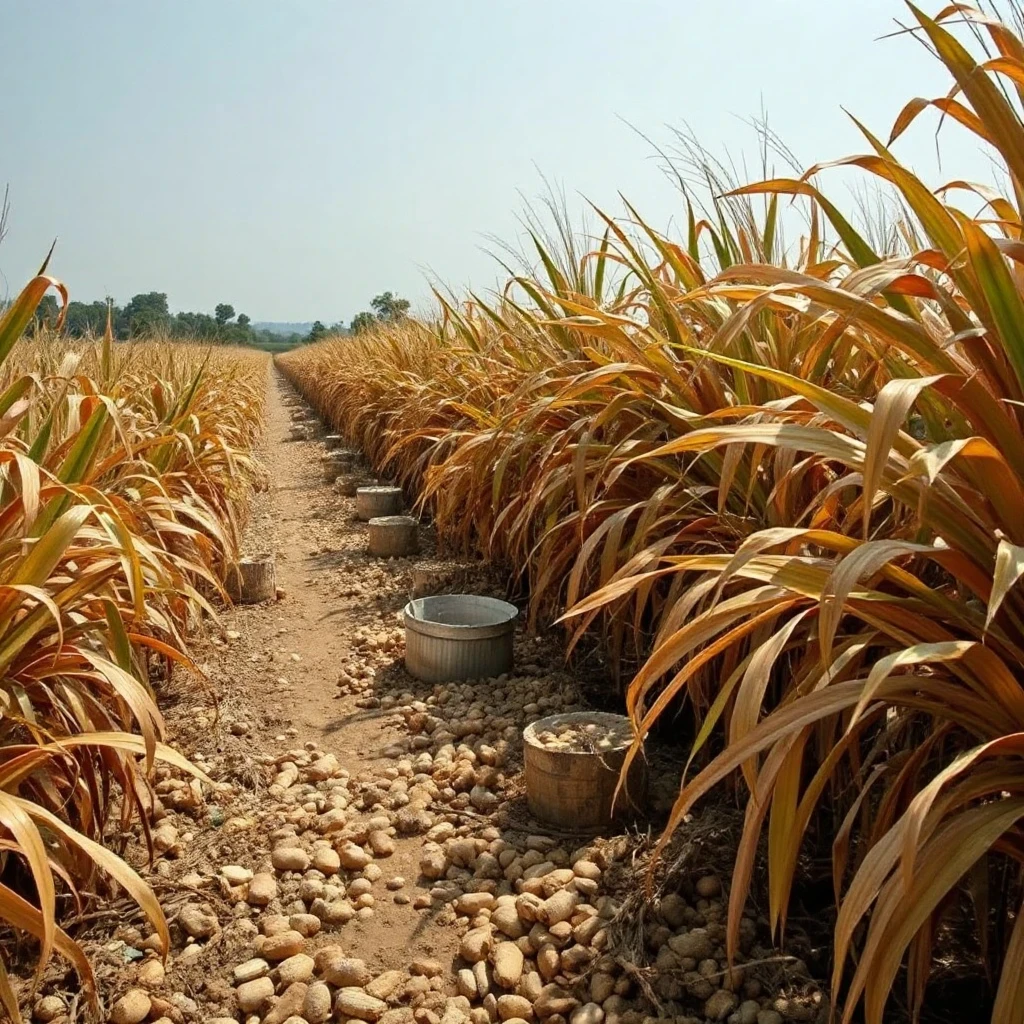
Global palm oil supply is entering a phase where the traditional driver of growth — planting more land — is no longer the default option. Environmental regulation, moratoriums on new plantations and the sheer scarcity of suitable land in the two main producing countries mean that future supply increases will have to come primarily from higher yields per hectare rather than from area expansion. The question is whether that productivity growth can materialise fast enough to meet demand.
Malaysian crude palm oil futures traded at about $1108 per tonne on 6 August 2026, up 0.7% on the session, with the global benchmark near $1101 and Indonesia's reference price at about $1030. The narrow spread between benchmarks reflects a market that is well supplied in the near term but structurally dependent on how efficiently existing trees are managed.
Malaysian output data for June 2026 underline the challenge. CPO production reached 1,638,777 tonnes, up 8.1% month-on-month, and closing stocks rose 3.7% to 1,332,697 tonnes. Exports were 1,198,567 tonnes, up 5.7%. The month-on-month production gain is typical of the seasonal uptick, but the underlying yield trend is the more important variable. With limited new planting, Malaysia's output growth increasingly hinges on agronomic improvements — better fertiliser regimes, higher-yielding planting material and improved harvesting practices.
The current El Niño episode, with an ONI of +1.4, is already showing up in regional rainfall patterns. Sarawak, Sumatra, Riau and Kalimantan are all experiencing dry conditions. Dry weather can stress trees and reduce fruit bunch weights, directly hitting yields. If the dryness persists into the next flowering and fruit-set cycle, the impact will appear in production data several months down the line. This makes the near-term yield outlook uncertain even as stocks are building seasonally.
Indonesia and Malaysia together account for the vast majority of global palm oil output. Both countries have largely exhausted the frontier of easily available land for expansion. Remaining suitable areas are often peatland or forested land with high conservation value, where clearing is either prohibited or commercially and politically costly. As a result, the industry's growth model is shifting from horizontal expansion to intensification.
Yield growth is not a theoretical option — it is already happening in parts of both countries. Smallholders, who manage a significant share of planted area, often lag behind estate yields by a wide margin. Closing that gap through better planting material, training and access to inputs offers a large, low-cost source of additional supply. On the estate side, precision agriculture and improved mill efficiency can also lift effective output per hectare.
But the realistic pace of that improvement is the crux. Yield gains tend to be incremental, measured in single-digit percentage points over years, not in the step-change that area expansion once delivered. With demand from food and biodiesel sectors continuing to grow, the margin for error is thin.
For the supply outlook to shift decisively, several things would need to happen. A sustained La Niña or well-distributed rainfall would ease the immediate yield drag from dry weather. Policy changes — such as allowing replanting on existing concessions with higher-yielding seedlings, or accelerating smallholder certification and support programmes — could accelerate productivity gains. On the demand side, a sharp drop in crude oil prices, as seen over the past week with Brent falling 12.9%, weakens the economics of biodiesel blending and could reduce the pull on palm oil for fuel use.
Buyers should track the upcoming MPOB release, due in about five days, for confirmation of whether the stock build is accelerating or slowing. Beyond that, monthly rainfall data for the key producing regions of Sarawak, Sumatra and Kalimantan will be the single most important indicator of future yield performance. A sustained dry spell would tighten supply expectations despite current stock levels. Also worth monitoring is the pace of replanting and smallholder yield improvement programmes in both Malaysia and Indonesia — these are the real levers of future supply growth. Our model outlook points to mixed signals: bearish positioning on seasonal stock builds, but supportive factors from strong Indian demand and the wide BOPO spread. The market is finely balanced between near-term abundance and structural tightness.
A practical guide for palm buyers on risk, cost, and title transfer under the three main incoterms.

When buying palm oil, the incoterm you choose determines more than just the price. It decides who pays for freight and insurance, who holds the risk if the cargo is damaged in transit, and when the legal title to the goods passes from seller to buyer. For procurement managers and first-time buyers, understanding the difference between FOB, CIF, and CFR is critical to avoiding costly surprises.
Under FOB, the seller is responsible for delivering the goods on board the vessel named by the buyer at the port of loading. Once the cargo is loaded, the risk transfers to the buyer. The buyer arranges and pays for the main ocean freight, insurance, and all costs from that point onward.
FOB is common when the buyer has its own shipping arrangements or wants to control freight costs. It gives the buyer more flexibility but also more responsibility.
Under CIF, the seller pays for the cost of the goods, the freight to the destination port, and the marine insurance. The seller also arranges the insurance policy. However, the risk transfers to the buyer once the goods are on board the vessel at the port of shipment, not at the destination.
CIF is convenient for buyers who do not want to arrange shipping or insurance. But note: the insurance is usually the minimum cover, so buyers may want to add their own coverage for full protection.
CFR is similar to CIF, but the seller does not arrange insurance. The seller pays for the freight to the destination port, but the buyer must insure the cargo from the port of loading.
CFR is less common in palm trade than CIF, but it is used when the buyer prefers to arrange insurance themselves, perhaps because they have a global policy.
Choosing the right incoterm is a balance of control, cost, and risk. For first-time buyers, CIF is often simpler, but FOB gives more control over freight rates. Always read the full contract terms, as incoterms are only part of the agreement.
For more market intelligence on palm oil trade mechanics, keep reading Palm Oil Economics.
How China's tariff regime, state reserve policy, and Dalian futures interact to shape palm oil buying decisions.
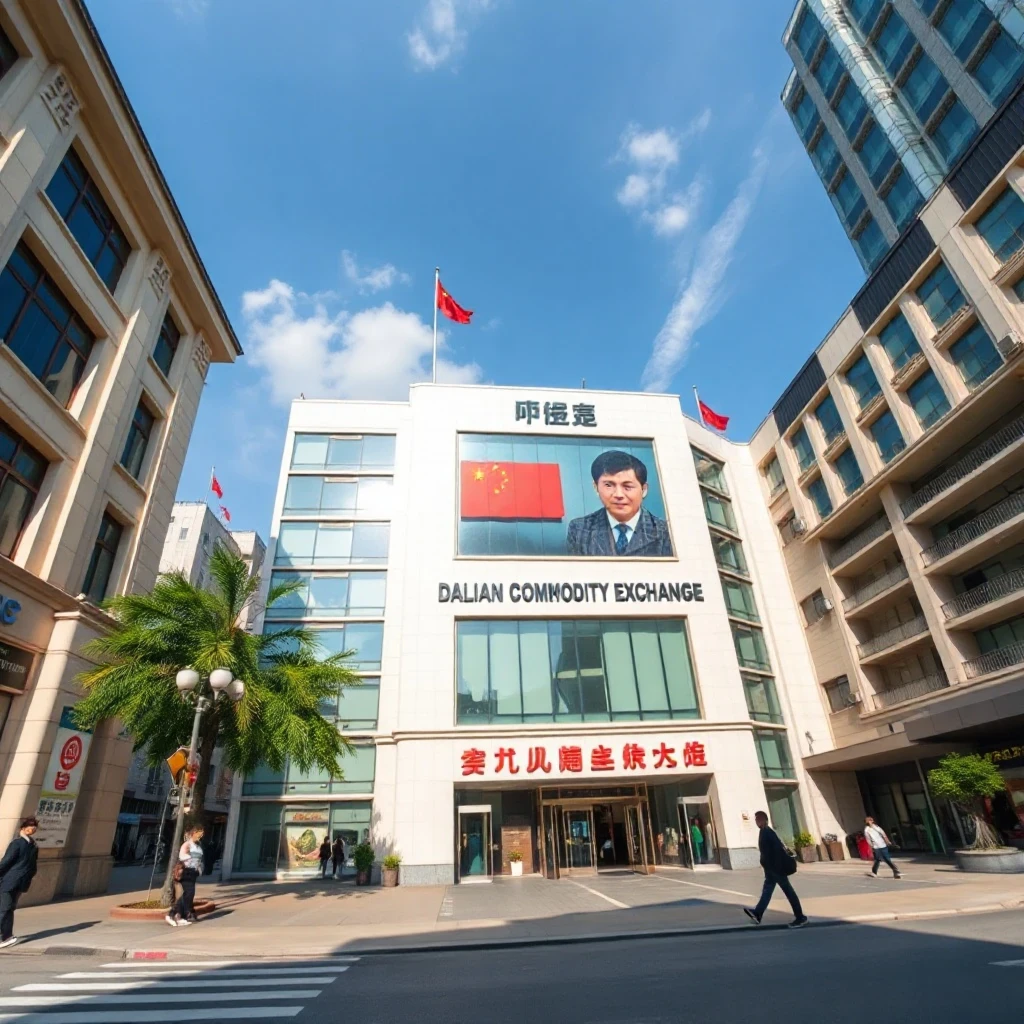
China is a major destination for palm oil, and its import framework is a layered system that combines border tariffs, state-managed reserves, and a domestic futures market. For exporters and traders, understanding how these three elements interact is essential to pricing, logistics, and contract terms.
Palm oil enters China under a most-favored-nation (MFN) tariff schedule, which applies to all WTO members. The applied MFN rate for crude palm oil and refined palm oil is set by the State Council Tariff Commission and can be adjusted periodically. The rate is typically higher for refined products than for crude oil, which encourages domestic refining. An illustrative current MFN rate might be around 5% for crude and 8% for refined, but these figures are for illustration only and can change.
China also has a tariff-rate quota (TRQ) system for some agricultural goods, but palm oil is not generally subject to TRQ. Instead, imports are subject to the MFN rate, plus value-added tax (VAT) at a standard rate, which is also set by the government. The VAT is applied on the CIF value plus duty. In addition, importers must pay a consumption tax on certain goods, but palm oil is typically exempt.
The duty structure is designed to protect domestic oilseed crushing and refining industries. When global palm oil prices are low, the effective protection for domestic producers rises, and the government may adjust tariff rates to balance market stability. Tariff changes are usually announced in advance, but emergency adjustments can occur.
The Chinese government, through the State Administration of Grain and Reserve (SAGR), maintains strategic reserves of edible oils, including palm oil. These reserves are used to stabilize domestic prices and ensure supply security. The reserve system buys palm oil when prices are low and releases it when prices spike, smoothing out volatility.
For importers, the existence of state reserves means that the government can influence demand. When reserves are being replenished, import demand rises; when they are being released, import demand falls. This can create windows of opportunity for exporters who time their shipments to coincide with reserve purchase cycles. However, reserve operations are not always transparent, so traders must monitor policy signals and market rumors.
Dalian Commodity Exchange (DCE) lists palm oil futures, which serve as the benchmark for domestic pricing. Importers use these futures to hedge against price movements in the international market. When global prices rise, importers may lock in futures to protect their margins, and when futures prices are high relative to international prices, it signals strong domestic demand or tight supply.
The futures market also influences the pace of imports. If the futures price is higher than the import cost (including duty and VAT), importers can profit by importing and selling on the spot market. This arbitrage opportunity drives buying decisions. Conversely, if futures are discounted, importers may delay purchases.
For exporters and traders, the structure means that documentation must be precise to ensure correct tariff classification. The HS code for crude vs. refined palm oil matters, as does the certificate of origin for MFN treatment. Any misclassification can lead to delays or higher duties.
Specifications are also critical. Chinese importers often require specific quality parameters, and the duty differential between crude and refined means that refining capacity in China is a factor. If you are exporting refined oil, you may face a higher duty, but you also benefit from a larger market.
Finally, cost calculations must include VAT, which is a significant component. The effective landed cost is CIF + duty + VAT. Since VAT is recoverable for registered importers, it is not a final cost, but it affects cash flow.
In summary, China's palm oil import framework is a dynamic system. Tariff rates can change, reserves can alter demand, and futures prices guide timing. Staying informed on all three is key to successful trade with China. ---
*This article reflects the position as of 6 August 2026. Duty structures, levies and mandates change often, sometimes at short notice. Please verify the current position, and any changes made after this date, before relying on it.*
Our market desk connects serious buyers with vetted origin suppliers across Southeast Asia. Indicative pricing, specifications and shipment guidance — free of charge.
Get connected →Indonesia's B50 launch lifts biodiesel demand; India weighs Nepal duty-free import curbs.
Full story — Page 2 ▸Dry conditions persist across Malaysia and Indonesia as El Niño holds, pointing to potential yield impacts later in 2026.
Full story — Page 2 ▸With area expansion limited, output gains must come from productivity; weather and policy will decide how realistic that is
Full story — Page 2 ▸A practical guide for palm buyers on risk, cost, and title transfer under the three main incoterms.
Full story — Page 2 ▸How China's tariff regime, state reserve policy, and Dalian futures interact to shape palm oil buying decisions.
Full story — Page 2 ▸Soy discount and Indian buying cushion CPO despite 13.8% Brent slide; market braces for MPOB supply update.
Malaysian CPO benchmark settled around $1,108 per tonne, gaining 0.7% from the previous session (RM4,532/MT at USD/MYR 4.09). Global palm oil traded near $1,101, while Indonesia’s reference price was $1,030. Brent crude slipped to $79/bbl, down 0.3% on the day but nursing a 13.8% plunge over the past week. The market is balancing robust demand signals against a heavy supply narrative, with cautious positioning ahead of July MPOB data due in about five days.
The most potent near-term driver is the wide BOPO spread. Soybean oil at $1,581/MT versus palm at $1,108 creates a discount of $473 per tonne, making palm oil exceptionally attractive for price‑sensitive buyers. Food manufacturers and biodiesel producers in importing nations prefer palm, directly supporting export volumes and keeping FOB bids firm.
India’s palm oil imports surged in July to a ten‑month high on heavy buying ahead of festivals. This immediate uptake pulls physical cargoes from the market, tightening spot availability in Malaysia and Indonesia, and signals resilient demand despite global macro uncertainty.
Weather disruptions are adding a supply squeeze. Peninsular Malaysia has received 375 mm of rain over the last 30 days, with another 34 mm forecast for the coming week. Saturated soils and field flooding can delay fresh fruit bunch harvesting and transport, temporarily reducing mill arrivals and CPO output. At the same time, El Niño conditions with an ONI of +1.4°C are strengthening the medium‑term bullish narrative. Historically, such El Niño strength reduces palm yields after a 6‑12 month lag, threatening late‑2026/early‑2027 production.
August seasonality provides a mild tailwind, with prices historically rising an average 0.7% month‑on‑month.
The collapse in Brent crude is the heaviest weight. A 13.8% drop to $79/bbl slashes the profitability of palm‑based biodiesel. When diesel prices fall, blending mandates become less economical unless subsidised, eroding a crucial demand pillar for palm oil. The weak crude also sours overall vegetable oil sentiment as it dims energy‑linked demand prospects.
Speculative positioning in related oilseeds has turned fragile. Managed‑money net longs in CBOT soybean oil remain at the 85th percentile but were cut by 15,493 contracts. Such crowded longs are vulnerable to liquidation if crude continues to fall or if soybean oil fundamentals weaken, and the resulting sell‑off often spills over into palm markets.
Indonesian exports are becoming more competitive as the rupiah weakens to USD/IDR 17,937. Cheaper Indonesian CPO undercuts Malaysian FOB prices, especially when global buyers are price‑sensitive. This intensifies the fight for market share at a time of peak seasonal production.
Technicals are signalling near‑term downward pressure. The price is near the upper Bollinger Band at $1,115, and the 5‑day SMA just crossed below the 20‑day SMA (a death cross), indicating a short‑term downtrend. The RSI at 52 is neutral, suggesting room for further decline.
With five bullish drivers against four bearish, the upside currently holds the advantage. The wide soy discount and strong Indian demand are providing concrete floor support, while weather‑related supply tightness in Malaysia adds immediate upside risk. The bearish arguments — chiefly the crude oil rout and technical weakness — are largely sentiment‑driven or anticipate future pressure rather than affecting physical flows today.
To flip the balance decisively bearish, one would need a combination of: (i) an unexpectedly large Malaysian stock build in the upcoming MPOB report, confirming that peak production is overwhelming exports; (ii) a further slide in Brent below $75/bbl, making biodiesel blends completely uneconomic and triggering fund liquidation in soyoil; (iii) a sharp reversal in Indian buying, perhaps on currency pressures; or (iv) a normalisation of weather in Peninsular Malaysia, relieving harvest constraints while Indonesian supply floods the market.
Our model outlook notes that while the immediate balance tilts bullish, the sharp Brent sell‑off and cautious market positioning ahead of the data release could still produce a slight net decline over seven days, with high volatility around the MPOB announcement.
Malaysian CPO holds near $1,100/MT as rising stocks and dry weather offset firm India demand and crude rebound.

Malaysian crude palm oil futures were little changed on Wednesday, with the benchmark hovering near $1,100/MT (RM 4,507/MT) as the market balanced supportive demand signals against a build in inventories and dry weather across key growing regions.
According to the Malaysian Palm Oil Board's June data, CPO production climbed 8.1% month-on-month to 1,638,777 tonnes, while closing stocks rose 3.7% to 1,332,697 tonnes. Exports increased 5.7% to 1,198,567 tonnes, but imports surged 135.3% to 103,113 tonnes, partly reflecting arbitrage opportunities.
The stock build, though modest, points to a market that is gradually replenishing after earlier tightness. Our model outlook suggests prices are likely to drift slightly lower over the next seven days, pressured by expectations of another month of rising stocks in the upcoming MPOB report.
The current El Niño (ONI +1.0) is bringing notably dry conditions to Sabah, Sarawak and Kalimantan. Dry weather can stress young palms and reduce yields in the medium term, but in the short run it may ease harvesting and logistics constraints. The market appears to be looking past immediate weather concerns, focusing instead on the ample supply picture.
India's edible oil imports hit a 10-month peak in July on higher palm oil buying, according to Business Standard. This robust demand, ahead of the festival season, is a key supportive factor. India is also seeking sunflower oil alternatives amid Black Sea disruptions, which could further boost palm oil demand.
On the biofuels front, Indonesia's B50 biodiesel rollout continues, with Pertamina launching nationwide distribution in late July. This policy underpins domestic consumption and supports global palm oil prices. However, the recent 11.4% plunge in Brent crude (now around $80/bbl, up 1.5% on the day) could weaken the economics of biodiesel blending, potentially reducing demand for palm oil as a feedstock.
The palm-soyoil spread remains wide, making palm oil attractive relative to soyoil. However, soyoil futures have been under pressure on biofuel demand uncertainty, which has dragged on palm oil at times. The Malaysian ringgit is trading around 4.10 per dollar, while the Indonesian rupiah is near 18,036 per dollar, with the rupiah slipping on slower China manufacturing growth.
Watch the upcoming MPOB report for confirmation of another stock build, and monitor crude oil price movements for their impact on biodiesel demand. The dry El Niño weather in Southeast Asia could become a supply risk later in the year, so keep an eye on rainfall forecasts. India's sustained import appetite and the wide palm-soyoil spread are likely to keep a floor under prices in the near term.
Sources: Business Standard; Bernama; Finimize; ANTARA News; Fastmarkets; UkrAgroConsult
Nationwide B50 distribution and RBI-linked edible oil price rises mark a policy-driven demand shift for palm buyers.
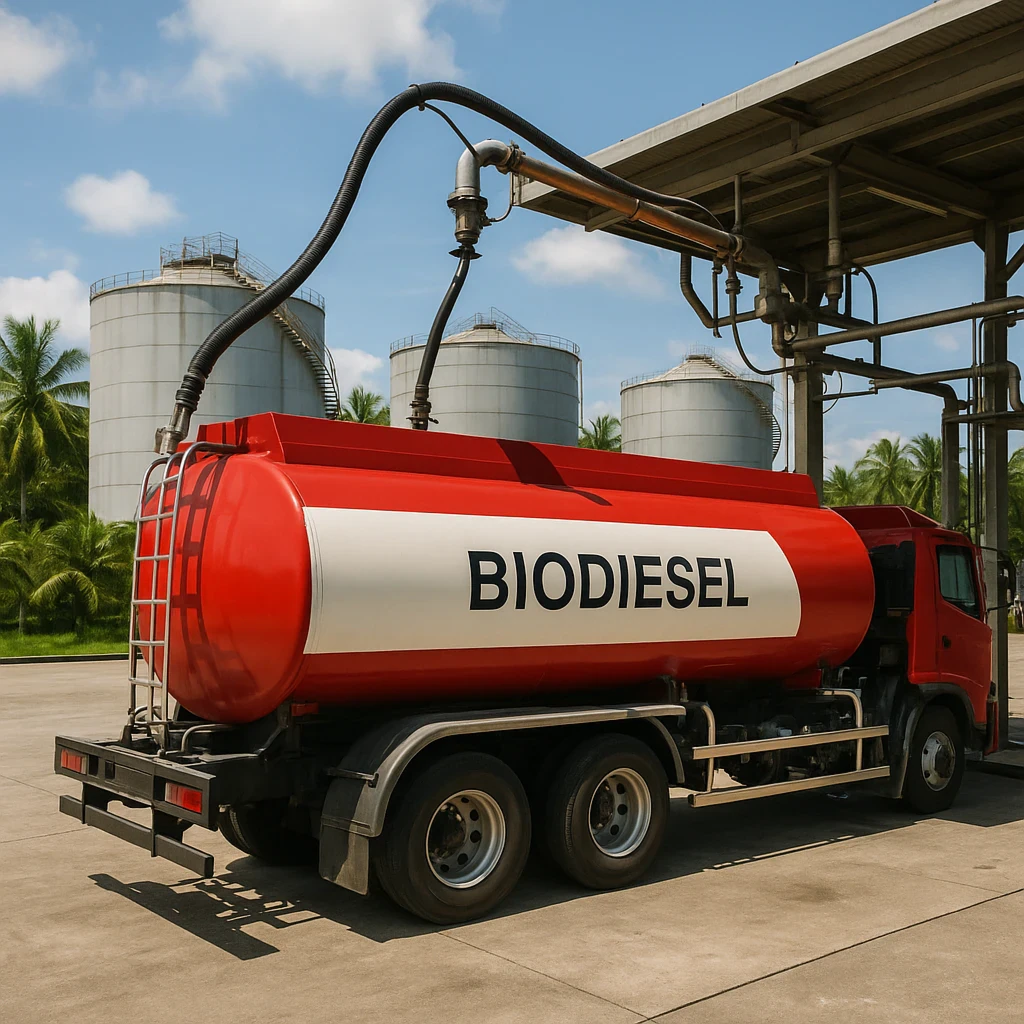
Indonesia's nationwide rollout of the B50 biodiesel mandate, coupled with a reported link to broad-based edible oil price rises in India, marks a material policy-driven demand shift for palm oil buyers, distinct from routine futures moves. The development comes as Malaysian crude palm oil futures hold near $1,100 per metric ton, with the benchmark essentially flat on the session, while global and Indonesian reference prices sit at $1,101 and $1,030 per metric ton, respectively.
Traders have largely focused on near-term supply-side pressures, including peak production and a weak rupiah boosting Indonesian export competitiveness. But the B50 mandate, now in nationwide distribution via Pertamina, represents a structural increase in domestic palm oil consumption for biodiesel blending. This is not a marginal shift: B50 requires roughly double the palm oil feedstock of B30, tightening the pool of crude palm oil available for export markets.
In parallel, reports from the Reserve Bank of India indicate that edible oil prices in the country have risen broadly, with palm oil playing a key role. India's July edible oil imports hit a 10-month peak on higher palm oil buying, underscoring robust demand from the world's largest vegetable oil importer. The combination of mandated domestic absorption in Indonesia and firm Indian import appetite creates a two-pronged demand pull that could offset bearish supply-side momentum.
Despite the policy-driven demand shift, our model outlook for the next seven days remains cautiously bearish. Peak production, weak rupiah-driven Indonesian exports, and subdued crude oil prices weigh on the market, even as Indian demand and the long-term B50 mandate provide support. Market positioning ahead of the next MPOB release adds downside risk, with crowded speculative longs amplifying vulnerability.
The wide soyoil spread provides some support, but not enough to offset near-term supply-side momentum. Traders should watch how quickly B50 offtake translates into reduced export availability, and whether Indian buying sustains its current pace. The policy signal is clear, but the price impact may take time to fully materialize.
Sources: Business Standard; ANTARA News; UkrAgroConsult; Fastmarkets
Malaysian CPO futures held near $1,100/MT amid a tug-of-war between surging Indian imports and mounting pressure from peak production, a weak rupiah, and slumping crude oil, leavin

B50 biodiesel mandate – Indonesia’s nationwide B50 distribution, launched on 27 July, is set to absorb an estimated 3–4 million tonnes of palm oil annually. While the impact is structural and long term, it underpins sentiment by eroding available stocks for export and highlighting policy-driven demand growth.
Attractive soyoil spread – The soybean oil–palm oil (BOPO) discount has widened to $481/MT, making CPO a compelling alternative for price-sensitive buyers. This demand-switching incentive cushions the downside, as refiners in price-sensitive markets (e.g., India, Bangladesh) substitute soyoil with palm oil whenever possible.
El Niño anticipation – An El Niño event (ONI +1.0°C) is developing, which historically cuts Southeast Asian palm yields with a 6–12 month lag. While not a near-term price mover, it fosters a medium-term bullish bias by threatening future supply, limiting aggressive selling by long-term holders.
Upcoming MPOB data – With the July stock report due in about six days, the market braces for a likely inventory build during the peak production season. Positioning ahead of the release is cautious, as a higher-than-expected stocks figure would confirm ample supply, triggering further downside.
Brent crude oil plunge – The 12.6% weekly drop in Brent to $79/bbl significantly deteriorates biodiesel blending economics. Lower crude prices reduce the margins for discretionary biodiesel production, cutting CPO’s attractiveness as a feedstock and easing demand from the energy sector.
Technical weakness – The 5/20 SMA death cross and price trading below all major short-term moving averages point to a developing downtrend. With the RSI at a neutral 47 but momentum eroding, chart-driven traders are likely to favour short positions, adding selling pressure.
Crowded speculative positioning – CFTC data shows soybean oil net longs remain in the 85th percentile, despite a 15,000-contract reduction. This crowded positioning leaves the complex vulnerable to long liquidation if bearish catalysts intensify, amplifying downward price moves.
Seasonal peak production – The July–October period historically sees the highest palm output in Malaysia and Indonesia. Dry weather in key growing regions (Sabah, Sarawak, Kalimantan) currently favours harvesting, accelerating the seasonal supply surge and weighing on prices.
A procurement-focused explainer on how Indonesia's export levy and duty tiers interact with the reference price to affect landed costs.

For buyers of Indonesian crude palm oil (CPO), the price quoted FOB Belawan or Dumai is only the starting point. The full cost to your refinery or end-user includes two government-mandated charges: the export levy and the export duty. Both are calculated from the same official reference price, but they serve different purposes and move in different ways. Understanding the mechanism helps you anticipate landed-cost shifts and negotiate more effectively.
Indonesia's Ministry of Trade publishes a CPO reference price periodically, typically every two weeks. This is not a market price; it is an official benchmark derived from average international price assessments over a preceding period. It is the base from which both the levy and the duty are calculated. The reference price is the single most important number to track because it determines which tiers apply and how much you pay per tonne.
The export levy is a per-tonne charge that goes to the Oil Palm Plantation Fund Management Agency (BPDPKS). This fund is used to subsidize domestic biodiesel blending and support smallholder replanting programs. The levy is structured in progressive tiers: as the reference price rises, the levy per tonne increases stepwise. For example, at a lower reference price band, the levy might be a modest amount, but at a higher band it jumps to a significantly larger figure. The exact thresholds and amounts are set by regulation and can be adjusted by the government, so always check the current schedule.
The export duty is a separate charge, also tiered based on the reference price. It is a classic trade-policy instrument: when the reference price is low, the duty may be zero or minimal; as the reference price climbs, the duty rate rises in steps. This duty is revenue for the central government and is not earmarked for the palm oil sector. Because both the levy and the duty are progressive, their combined effect amplifies the cost impact of rising reference prices.
When the reference price increases, both the levy and the duty can move into higher tiers, meaning the total government charges per tonne can rise faster than the underlying CPO price. For example, if the reference price jumps from a mid-tier to a high-tier band, the levy might increase by, say, $50 per tonne (illustrative) and the duty by another $30, adding $80 to your cost before freight. This is why a $20 move in the reference price can translate into a much larger landed-cost increase.
For procurement managers, these charges are not negotiable, but they are predictable. Build them into your cost models using the current reference price and official schedules. When negotiating contracts, consider whether the seller's quote includes these charges—often they are passed through separately. Also, note that the levy and duty apply to CPO exports; refined products may have different rates, which can make buying refined palm olein more attractive than crude in some periods. Finally, remember that these mechanisms are designed to manage domestic supply and price stability, so they can change with little notice—always verify the latest rules before committing to a shipment.
By understanding how the reference price, levy, and duty interact, you can better forecast your landed costs and avoid surprises in a market where government policy is as influential as weather and demand. ---
*This article reflects the position as of 5 August 2026. Duty structures, levies and mandates change often, sometimes at short notice. Please verify the current position, and any changes made after this date, before relying on it.*
Pertamina's nationwide B50 launch and Indian calls to curb Nepal duty-free imports signal shifting policy winds for palm oil buyers.
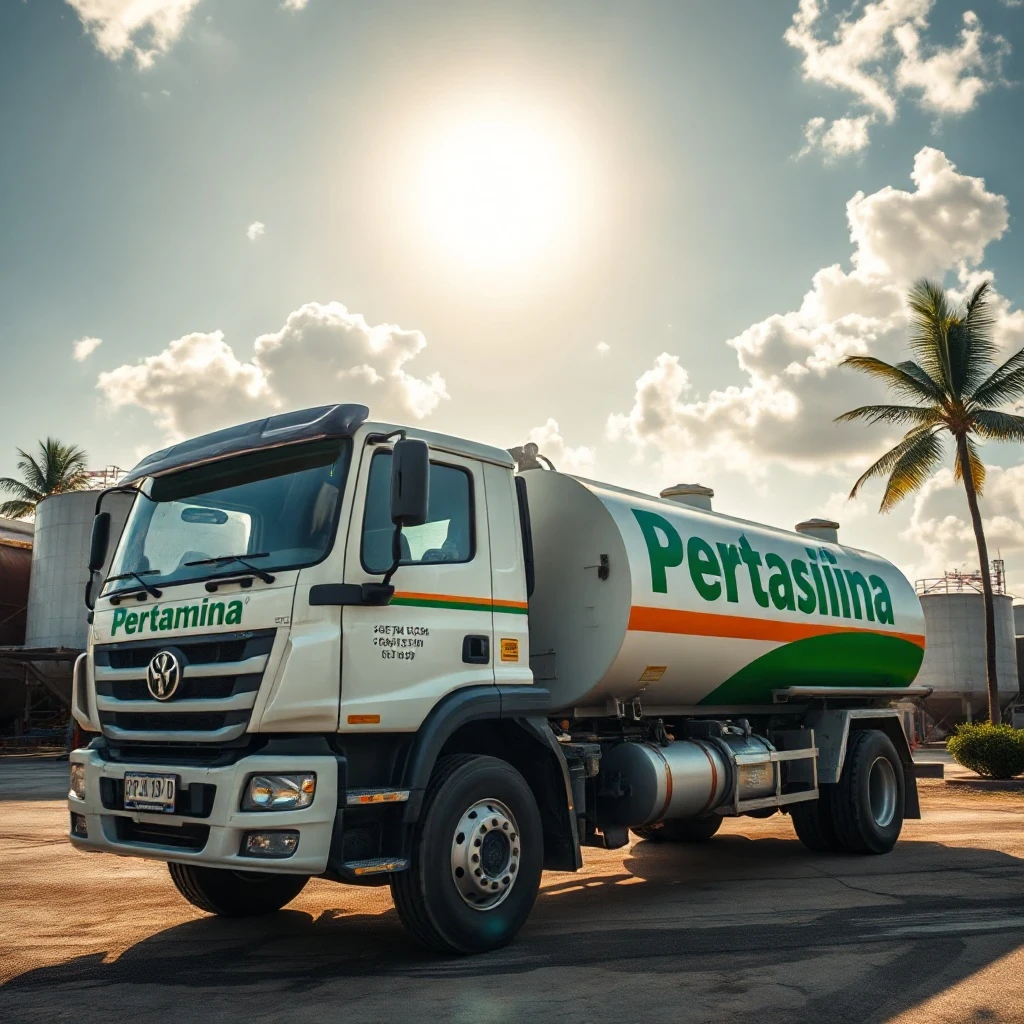
Palm oil policy watchers are parsing two distinct developments this week: Indonesia's nationwide expansion of its B50 biodiesel program and growing pressure in India to restrict duty-free edible oil imports from Nepal. Both carry implications for global palm oil supply, demand and compliance strategies.
State energy firm Pertamina has launched nationwide distribution of B50 biodiesel across Indonesia, a major escalation of the country's mandate to blend 50% palm-oil-based biodiesel into diesel fuel. The move deepens Indonesia's structural demand for crude palm oil as a feedstock, tightening the domestic supply available for export.
For global buyers, the immediate signal is one of reduced export availability from the world's largest palm oil producer. Indonesia's reference price for palm oil stands at about $1030/MT, below the Malaysian benchmark of roughly $1100/MT, reflecting the domestic consumption pull. The B50 mandate also ties Indonesian palm oil prices more closely to crude oil economics; with Brent hovering near $80/bbl, the blend remains commercially viable, though a sharp drop in crude would pressure the program's cost-effectiveness.
Separately, Indian policymakers and industry voices are turning attention to duty-free edible oil imports from Nepal. The Reserve Bank of India has linked broad-based edible oil price rises to biofuel use, specifically citing Indonesia's B50 mandate. Meanwhile, the Indian Vegetable Oil Producers' Association (IVPA) is seeking curbs on duty-free imports from Nepal, which some domestic producers argue undercut local refining.
For palm oil markets, the stakes are twofold. First, any restriction on Nepal-origin imports could redirect demand toward conventional palm oil shipments, supporting prices. Second, the RBI's commentary underscores a global theme: biofuel mandates are now a structural driver of edible oil prices, a factor compliance-minded buyers must factor into sourcing decisions.
Buyers navigating this landscape face a dual challenge. On the supply side, Indonesia's B50 rollout likely means tighter export availability and potentially higher premiums for certified sustainable palm oil. On the policy side, India's evolving import rules could shift trade flows, making it essential for procurement teams to monitor tariff and non-tariff barriers closely.
Our model outlook sees CPO drifting slightly lower over the next seven days, pressured by a recent plunge in Brent crude and expectations of another month of rising Malaysian stocks in the upcoming MPOB report. That bearish tilt is cushioned by robust Indian import demand and a wide palm-soyoil spread, which keeps palm competitively priced against other vegetable oils.
For now, the policy environment remains a net bullish force for palm oil demand, even as macroeconomic headwinds temper the price outlook.
Sources: Biofuels International Magazine; livemint.com; livemint.com; Business Standard
India's edible oil imports hit a 10-month peak in July; duty flexibility and Nepal tariff loopholes shape palm demand outlook.
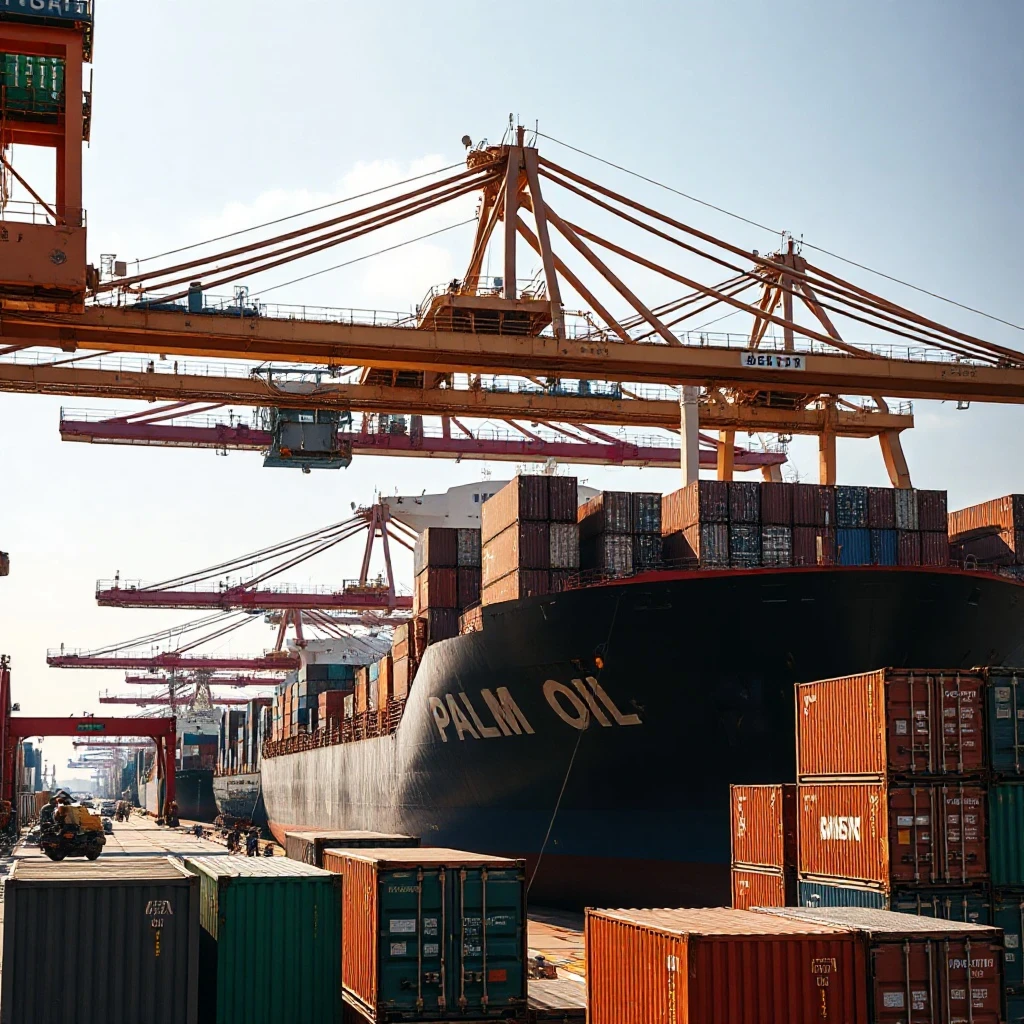
India, the world's largest palm oil buyer, is showing renewed appetite. July edible oil imports climbed to a 10-month high, driven by stronger palm oil purchases, according to trade press reports. The pickup aligns with pre-festival stock-building ahead of the autumn holiday season, when vegetable oil consumption typically peaks. Traders expect imports to stay elevated through October as refiners and distributors secure supplies before Diwali and other festive events.
Policy attention is shifting to import duties. Industry experts are urging New Delhi to make edible oil tariffs more flexible, arguing that rigid levies distort buying decisions and penalize consumers when global prices spike. The government has not announced changes, but the debate is intensifying as domestic crushers face pressure from cheaper imports.
A separate concern is the rising flow of duty-free edible oil from Nepal. Indian producers complain that Nepalese refiners exploit tariff preferences to re-export imported crude oil, undercutting local mills. The government is scrutinizing this trade, with officials examining whether the shipments comply with rules of origin. Any tightening of these loopholes could redirect some demand back to seaborne palm oil.
The July-October window is critical for Indian imports. Domestic mustard and soybean supplies shrink before the rabi harvest, forcing buyers to lean more heavily on imported palm and soft oils. Geopolitical disruptions in the Black Sea region have also complicated sunflower oil supply, pushing Indian buyers toward palm oil as a reliable substitute. That shift is visible in the latest import data and is likely to continue while sunflower cargoes remain uncertain.
Currency dynamics add another layer. The Indian rupee has been relatively stable, but the rupiah's recent weakness against the dollar makes Indonesian palm oil more competitive in rupee terms, supporting Indian buying interest. Meanwhile, the Malaysian ringgit's firmness around 4.10 per dollar keeps Malaysian CPO slightly more expensive than Indonesian offers, but the gap is narrow.
Our model outlook sees Malaysian CPO drifting slightly lower over the next seven days, pressured by an 11.4% plunge in Brent crude—which weakens biodiesel blend economics and the broader vegetable oil complex—and expectations of another month of rising Malaysian stocks in the upcoming MPOB report. However, robust Indian import demand and a wide palm-soyoil spread are providing a floor. With Brent near $80 per barrel and palm's discount to soybean oil still attractive, Indian refiners have little reason to switch away from palm in the near term.
For the coming months, the key variables are duty policy, the pace of festival buying, and whether the Black Sea sunflower disruption persists. Any tariff adjustment or clampdown on Nepalese transshipment could alter India's import mix, but the underlying trend—higher palm shipments into a growing market—remains intact.
Sources: Business Standard; livemint.com; The Economic Times; UkrAgroConsult; CME Group
Our market desk connects serious buyers with vetted origin suppliers across Southeast Asia. Indicative pricing, specifications and shipment guidance — free of charge.
Get connected →Nationwide B50 distribution and RBI-linked edible oil price rises mark a policy-driven demand shift for palm buyers.
Full story — Page 2 ▸Malaysian CPO futures held near $1,100/MT amid a tug-of-war between surging Indian imports and mounting pressure from peak production, a weak rupiah, and slumping crude oil, leavin
Full story — Page 2 ▸A procurement-focused explainer on how Indonesia's export levy and duty tiers interact with the reference price to affect landed costs.
Full story — Page 2 ▸Pertamina's nationwide B50 launch and Indian calls to curb Nepal duty-free imports signal shifting policy winds for palm oil buyers.
Full story — Page 2 ▸India's edible oil imports hit a 10-month peak in July; duty flexibility and Nepal tariff loopholes shape palm demand outlook.
Full story — Page 2 ▸Malaysian CPO holds near $1,100/MT as rising stocks and dry weather offset firm India demand and crude rebound.
Malaysian crude palm oil futures were little changed on Wednesday, with the benchmark hovering near $1,100/MT (RM 4,507/MT) as the market balanced supportive demand signals against a build in inventories and dry weather across key growing regions.
According to the Malaysian Palm Oil Board's June data, CPO production climbed 8.1% month-on-month to 1,638,777 tonnes, while closing stocks rose 3.7% to 1,332,697 tonnes. Exports increased 5.7% to 1,198,567 tonnes, but imports surged 135.3% to 103,113 tonnes, partly reflecting arbitrage opportunities.
The stock build, though modest, points to a market that is gradually replenishing after earlier tightness. Our model outlook suggests prices are likely to drift slightly lower over the next seven days, pressured by expectations of another month of rising stocks in the upcoming MPOB report.
The current El Niño (ONI +1.0) is bringing notably dry conditions to Sabah, Sarawak and Kalimantan. Dry weather can stress young palms and reduce yields in the medium term, but in the short run it may ease harvesting and logistics constraints. The market appears to be looking past immediate weather concerns, focusing instead on the ample supply picture.
India's edible oil imports hit a 10-month peak in July on higher palm oil buying, according to Business Standard. This robust demand, ahead of the festival season, is a key supportive factor. India is also seeking sunflower oil alternatives amid Black Sea disruptions, which could further boost palm oil demand.
On the biofuels front, Indonesia's B50 biodiesel rollout continues, with Pertamina launching nationwide distribution in late July. This policy underpins domestic consumption and supports global palm oil prices. However, the recent 11.4% plunge in Brent crude (now around $80/bbl, up 1.5% on the day) could weaken the economics of biodiesel blending, potentially reducing demand for palm oil as a feedstock.
The palm-soyoil spread remains wide, making palm oil attractive relative to soyoil. However, soyoil futures have been under pressure on biofuel demand uncertainty, which has dragged on palm oil at times. The Malaysian ringgit is trading around 4.10 per dollar, while the Indonesian rupiah is near 18,036 per dollar, with the rupiah slipping on slower China manufacturing growth.
Watch the upcoming MPOB report for confirmation of another stock build, and monitor crude oil price movements for their impact on biodiesel demand. The dry El Niño weather in Southeast Asia could become a supply risk later in the year, so keep an eye on rainfall forecasts. India's sustained import appetite and the wide palm-soyoil spread are likely to keep a floor under prices in the near term.